

What is Precision Nutrition? A Beginner’s Guide to AI-Powered Eating
The AI Sommelier for Your Cells: Precision Nutrition is Ready to Serve
Forget “the next superfood” and those glossy magazine diets that seem to change with the seasons. A profound shift in the world of wellness is underway, one that marks a departure from one-size-fits-all meal plans and moves toward a future where your dinner plate is dictated not by trends, but by data—your data, specifically.
Welcome to the era of precision nutrition, supercharged by artificial intelligence. If quiet luxury is about bespoke, tailor-made elegance, precision nutrition is its scientific counterpart: a tailored blueprint for longevity, optimized performance, and metabolic mastery.
The Average Diet is Dead
For decades, nutritional advice has been based on broad averages. The problem, as we all intuitively know, is that no one is “average.” How your body processes a sweet potato, a glass of Chardonnay, or a morning croissant is wildly different from how your spouse, best friend, or a random person on the street processes it.
The field of precision nutrition isn’t new—it’s based on the understanding that our genetic makeup, gut microbiome, and individual metabolisms react to food in unique ways. What is new, and what is changing the game in 2026, is the marriage of this biology with advanced AI.
From Data Points to Dinner
This is not a future-state concept. It’s here, and it works by closing the loop between biometrics and personalized advice.
1. The Inputs: The foundation is continuous data. This comes from wearables, but we are moving beyond just step counters. Today’s tools include consumer-grade continuous glucose monitors (CGMs), microbiome testing kits (which map your gut’s unique bacterial city), and deep-dive genetic screening for nutrient metabolism.
2. The AI Interpreter: This raw data is a dense, indecipherable language to the average person. But to a powerful AI model, it’s a blueprint. AI analyzes these millions of data points, mapping how your blood sugar spikes, how your gut bacteria thrive, and how your genetics might make you, for instance, slow to metabolize caffeine or prone to low Vitamin D.
3. The Outputs: This is where it gets powerful. The AI doesn’t just output a generic report. Through integrating apps and AI health coaches, it delivers real-time, actionable insights.
Imagine waking up and having your AI health coach say: “Based on your poor sleep score and high morning cortisol, you should prioritize a high-protein, low-carb breakfast. Avoid a second coffee before 10 AM, as your body is clearing caffeine slowly today. For lunch, your optimized meal is a salmon and quinoa bowl to stabilize your afternoon energy, which the data shows will prevent your usual 3 PM slump.”
It’s Curated Excellence, Not Restriction
Precision nutrition isn’t about elimination; it’s about optimization. It’s the difference between a mass-produced dress and one that is made-to-measure. When you know which carbohydrates spike your insulin (which, over time, can lead to fat storage and inflammation) and which don’t, you can enjoy a perfect crusty baguette with your dinner, but skip the seemingly “healthy” high-sugar yogurt at breakfast that was quietly wrecking your metabolism.
It’s True Empowerment
We have been gaslit by decades of dieting culture that tells us we need more discipline or will power. Precision nutrition reveals a more elegant truth: your biology is unique. The key isn’t willpower; it’s knowledge. When you can literally see, in real-time on your smartphone, how that bowl of refined pasta creates a glucose rollercoaster that leaves you foggy and tired, you aren’t fighting a craving; you are making an informed, powerful decision.
It’s the Ultimate Wellness Long-Game
A well-tailored suit isn’t just for one event; it’s an investment. Similarly, by eating in a way that aligns perfectly with your biology, you are radically reducing systemic inflammation, supporting long-term metabolic health, and positioning your body for decades of optimal performance.
The future of luxury wellness is not an expensive, generic retreat; it’s the quiet intelligence that comes from understanding your own body at the cellular level. It’s about eating, living, and aging with a quiet, confident precision.
Getting into precision nutrition is like moving from a ready-to-wear lifestyle to a bespoke one. It requires a shift from following general advice (like “eat more greens”) to collecting specific biological data that tells you which greens your body actually likes.
Here is the step-by-step roadmap if you are looking to start Precision Nutrition:

1. The Data Collection (The Inputs)
To feed an AI, you first need to give it something to analyze. Most people start with one or all of the following:
• Continuous Glucose Monitors (CGMs): These are small, painless sensors (about the size of two stacked quarters) that stick to the back of your arm. They track your blood sugar in real-time. Think of it like an ecosystem. You sign up for a Program (like ZOE, Levels, or Nutrisense) that sends you a Welcome Kit.
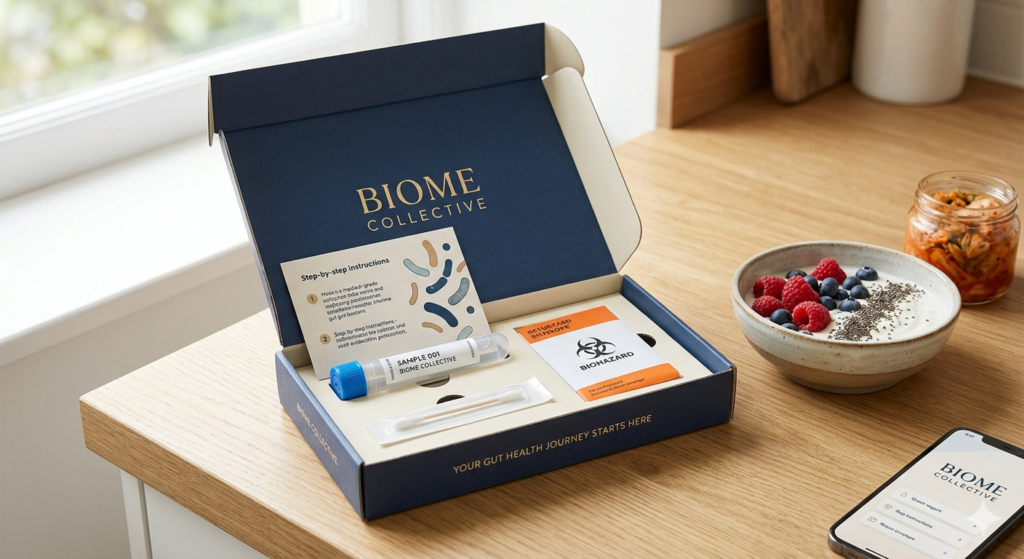
• Microbiome Testing: You send a small stool sample to a lab to map the trillions of bacteria in your gut. Companies like ZOE or Viome are the industry leaders here.
• DNA & Blood Markers: Some services offer at-home finger-prick blood tests or saliva swabs to check for genetic predispositions and current nutrient deficiencies.
2. The AI Platform (The Brain)
Once you have the sensors or test results, you link them to an AI-powered app. This is where the magic happens. The AI looks for patterns. For example AI might conclude: “Every time you eat oatmeal, your sugar spikes for three hours, but when you eat Greek yogurt, it stays flat.” The AI needs to see how you react to different things.
• Levels or Nutrisense: Best if you want to focus heavily on metabolic health and real-time blood sugar feedback.
• ZOE: This is the most “all-in-one” experience. It combines your gut health, blood fat, and sugar responses into a single “Food Score” for everything you eat.
• January AI: A “digital twin” service. After you wear a CGM for a few days, its AI creates a virtual version of your metabolism so it can predict how you’ll react to a food before you even take a bite.
3. The Application (The Lifestyle)
Precision nutrition isn’t a diet you go on for 30 days; it’s a feedback loop. It usually involves:
• Food Logging: You take photos of your normal meals in the app. The AI compares your photos (what you ate) with your sensor data (how your body reacted).
• Food Pairing: The AI might tell you that you can’t have white rice alone, but if you add vinegar and avocado first, your body handles it perfectly.
• Dynamic Adjustments: If your wearable detects you had a high-stress day or poor sleep, the AI will automatically suggest recovery meals that are easier on your system.
• Eating Challenge Foods: Some kits come with specific “test cookies” or muffins. You eat them, and the AI watches exactly how high your blood sugar spikes and how fast it comes back down.
4: AI Creates Your Blueprint
After the testing phase, the AI has enough data to stop guessing. It gives you a personalized score for almost every food.
• The Result: You might find out that while “brown rice” is healthy for most people, it causes a massive sugar spike for you, but “sourdough bread” does not.
• Real-Time Coaching: From then on, you use the app to check foods before you eat them. The AI will say, “If you eat that apple alone, your sugar will spike. If you eat it with 10 almonds, it will stay stable.”
How much does this cost?
• Entry Level ($100–$200): A one-time gut health kit (Viome) or a 15-day over-the-counter CGM (Stelo) to get a “snapshot” of your health.
• The Full Suite ($300–$600+): A 3-to-4 month reset with a service like ZOE or Levels, which includes the testing kits, sensors, and the AI coaching subscription.
 Strawberry Mochi Squares
 Easy Blanched Shanghai Bok Choy
 Strawberry Chia Seed Jam
 Matcha Mochi Squares
 Pan-Seared Oven-Finished Duck Breasts
 Counter Culture: What to Keep Out of Your Fridge
 Banana Protein Muffins
 Blueberry Chia Seed Jam
 Chocolate Cupcakes
 Vanilla Cupcakes