

This post contains affiliate links. As an Amazon Associate, I earn from qualifying purchases.
Soft Milk Bread Recipe | Easy Chinese Bakery Style
If you grew up wandering into a Chinese bakery and walking out with a warm, cloud-soft milk bread bun — this recipe is your love letter to that memory.
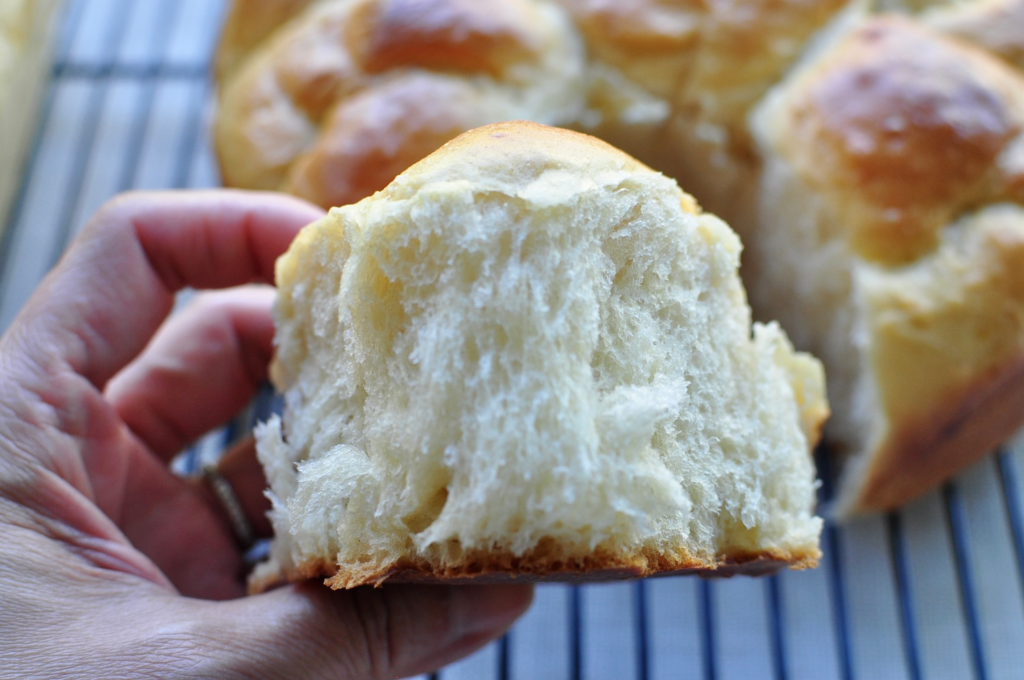
This no-tangzhong, no-butter milk bread comes together with one stand mixer and a food scale, delivering an impossibly soft, tender, and subtly rich loaf that tastes like it came straight from your favorite bakery — because now it does.
The Secret to Milk Bread is Using Bread and Cake Flour
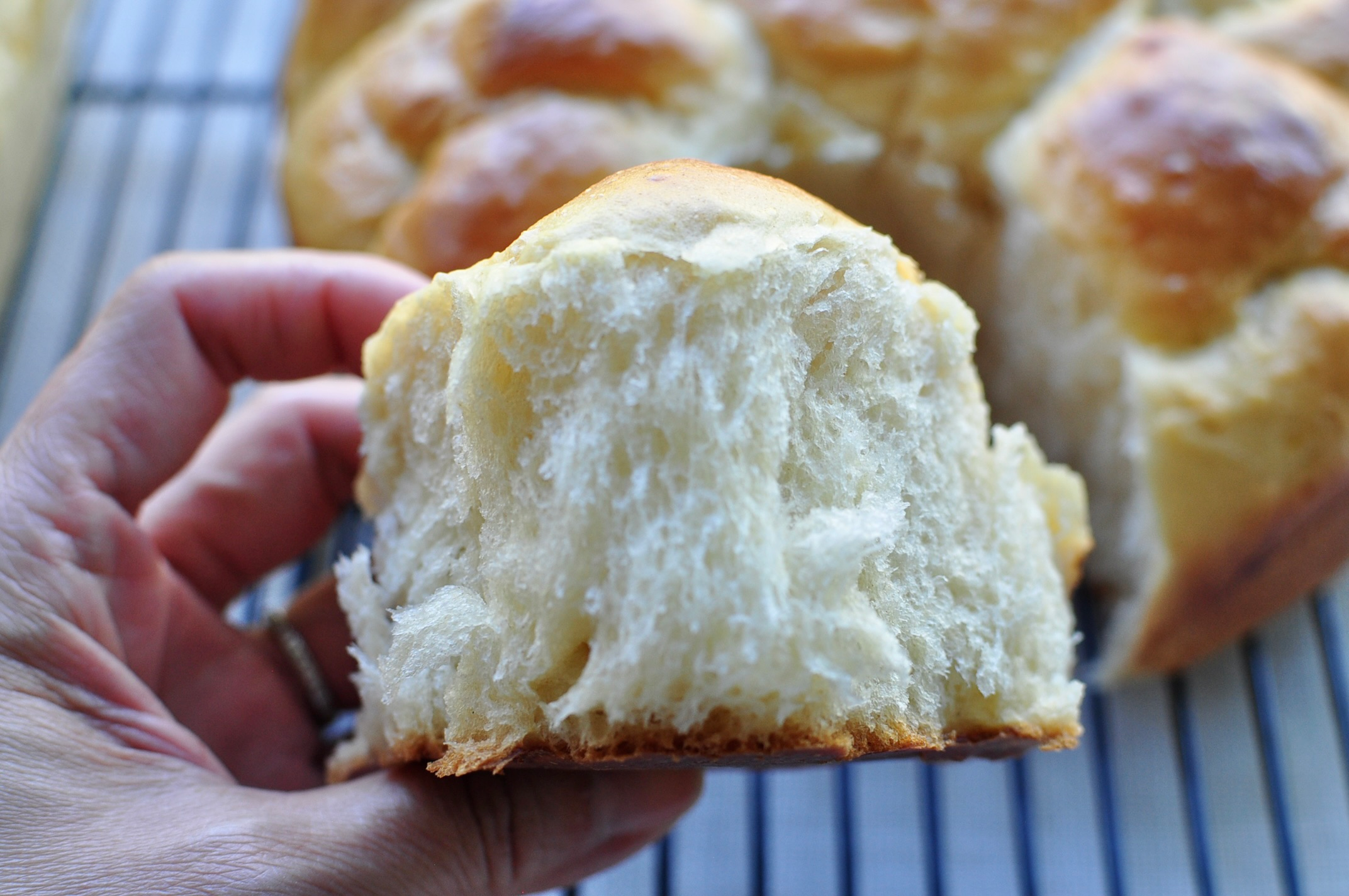
The secret to this bread’s signature texture lies in the combination of bread flour and cake flour — bread flour for that satisfying chew, and cake flour for a melt-in-your-mouth tenderness that pulls apart in the most satisfying way. The richness comes from heavy cream, whole milk, and egg, creating a crumb so buttery-tasting and aromatic you’ll swear there’s a full stick of butter in there. There isn’t. That’s the magic.
No Tangzhong, No Problem
Unlike many Asian milk bread recipes, there’s no tangzhong (water roux) required — no extra pan, no extra step, no fuss. Just measure your ingredients by weight for accuracy, add everything to your stand mixer, and let the dough do its thing. The result is a versatile, golden, pull-apart bread dough that works beautifully in so many forms:
- 🌀 Pull-apart rolls — soft, pillowy, and perfect for sharing
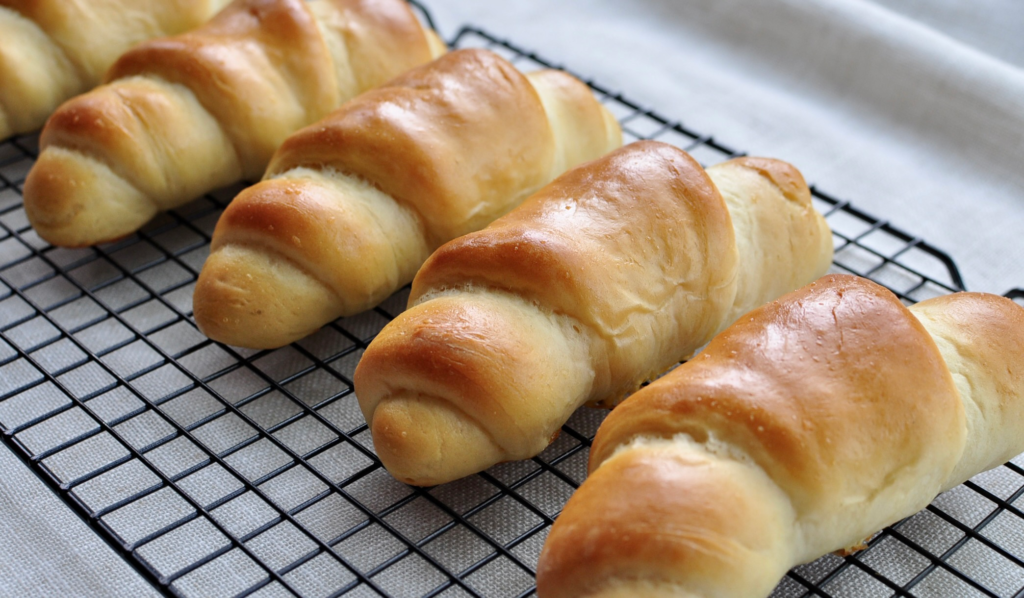
- 🥐 Croissant-style rolls — rolled up for beautiful layers
- 🥛 Whipped cream buns with toasted coconut shreds
- 🍖 Baked roast pork buns (char siu bao) — a bakery classic at home
- 🍞 Sandwich loaf — the softest sandwich bread you’ll ever make
Whether you’re a seasoned bread baker or picking up your first bag of bread flour, this recipe was made for you. A food scale is strongly recommended — flour measurement by volume can vary drastically, and this dough rewards precision with perfection.
Try our other bread recipes:

Easy Soft Sandwich Bread
This bread is so easy to make and so versatile, I always have some on hand. Soft but sturdy enough for sandwiches and great for toast.

Texas Toast – Raising Cane’s Copycat Bread Recipe
Skip the drive-thru and bake your own Raising Cane’s inspired Texas Toast! This tender, buttery pull-apart bread yields two beautiful loaves made from perfectly portioned tear-away logs. Slather with garlic butter, toast until golden and crispy, and prepare to ruin regular sliced bread for yourself forever.
Visual Step-by-Step Guide for Making Chinese Bakery Style Milk Bread:




What’s in this milk bread
- bread flour
- cake flour
- heavy cream
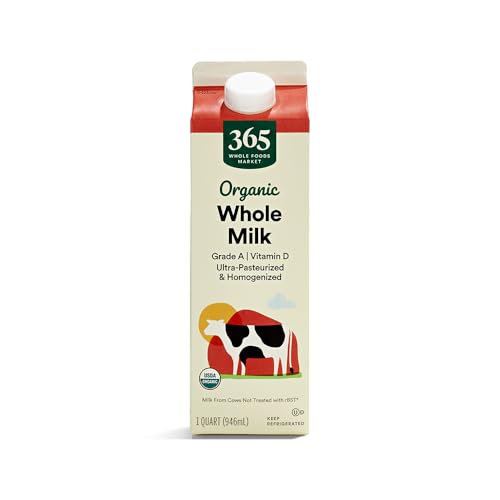
- whole milk
- egg
- sugar or honey
- instant yeast
- salt

Chinese Bakery Style Milk Bread

This easy Chinese bakery-style milk bread is soft, pillowy, and rich — with zero butter and no tangzhong required! Made with a blend of bread flour and cake flour, plus heavy cream, whole milk, and egg, this one-bowl stand mixer recipe produces a tender, chewy, buttery-tasting bread that’s endlessly versatile. Shape it into pull-apart rolls, sandwich loaves, cream buns, or roast pork buns. Use a food scale for best results. This will become your go-to bread dough recipe.
- Prep Time: 25 minutes
- Cook Time: 25 minutes
- Total Time: 3 hours 20 minutes (includes rise times)
- Yield: 2 loaves 1x
- Category: Bread
- Method: Baking
- Cuisine: Asian, Chinese
- Diet: Vegetarian
Ingredients
- 155 grams heavy cream, warmed to ~100°F
- 245 grams whole milk, warmed to ~100°F
- 1 large egg, room temperature
- 67 grams granulated sugar or honey
- 477 grams bread flour
- 72 grams cake flour
- 10 grams instant yeast
- 10 grams kosher salt
- egg wash (1 beaten egg + 1 tablespoon water)
Instructions
- In the bowl of your stand mixer with the dough hook attached, combine all the ingredients except the egg wash: heavy cream, milk, egg, sugar, bread flour, cake four, yeast and salt.
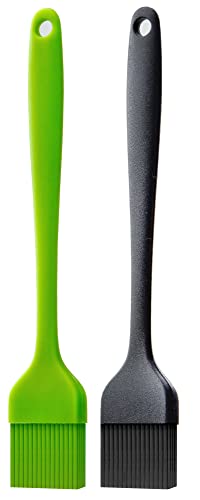
- Mix on the lowest speed for 15 minutes. Check on it after 5 minutes. Using a silicone spatula, scrape down the sides of the bowl if necessary. Dough will be wet but should easily be scraped off the sides of the bowl. Keep kneading and check again after 5 minutes. If the dough is too wet, add 1 tablespoon of bread flour. Keep the kneading on low until the 15 minutes is done.
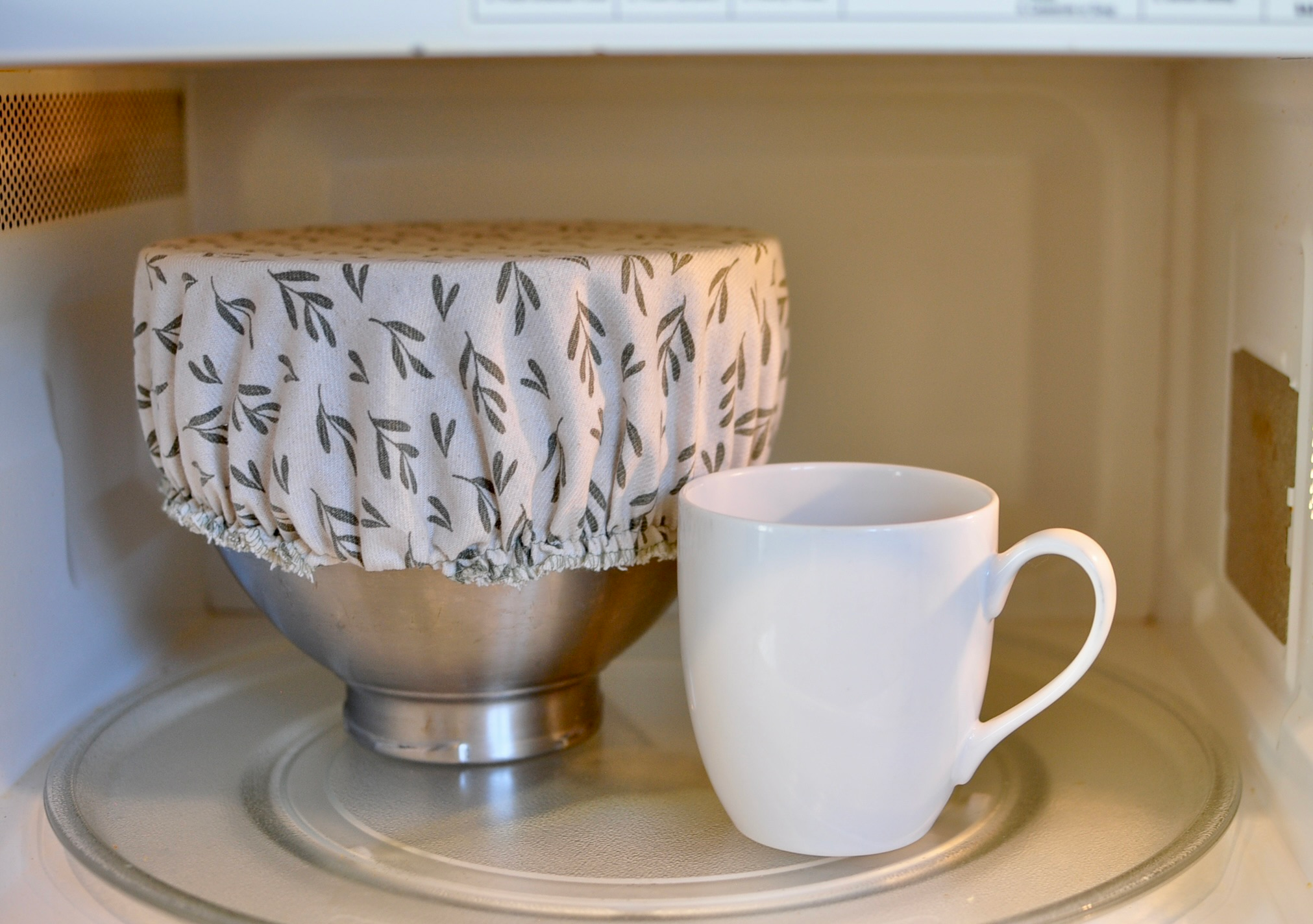
- Scrape down the sides of the dough if necessary. With a silicone spatula, push the dough off the sides of the bowl and push it together so it forms a ball. Cover the bowl with a damp towel or damp bowl cover and place in a warm spot for 1 to 2 hours until the dough as doubled in size. You can also proof your dough by placing the bowl in your microwave along with a mug of just boiled water.
- While your dough is proofing, prepare your loaf pan, cake pan (for rolls) or baking sheet, by lining it with parchment paper. There are so many ways you can shape this dough. This recipe can make 2 loaves of milk bread. I usually make 1 loaf and use the other half of the dough for either pull apart rolls (cake pan) or shaped buns (baking sheet).
- After the first dough rise, punch down the dough and scrape down the sides of the bowl to release the dough. Return the bowl to your stand mixer and knead for another 5 minutes.
- On a lightly floured surface, start dividing the dough, based on how you plan to shape it. If making two loaves, divide the dough into 2 equal pieces. You can roll the dough into a log slightly smaller than the shape of your loaf pan and place your dough log in there for its 2nd rise. You can divide your dough into 16 equal pieces and shape them into buns. A food scale helps keep your dough pieces in equal sizes. You can make 2 loaves, 16 rolls or 1 loaf and 8 rolls. (See notes for more ideas.) After shaping your dough, cover with towel and let it proof again for 1 hour.
- With 10 minutes remaining on your 2nd rise, preheat your oven to 350°F. Make the egg wash and brush the tops of the dough. If making rolls, bake for 18-19 minutes. If making loaves, bake for 23-25 minutes.
- Cool your bread in its cooking vessel for 5 minutes before transferring to a wire rack to finish cooling.
Nutrition
- Serving Size: 1 slice
- Calories: 194 kcal
- Sugar: 4.9 g
- Sodium: 256 mg
- Fat: 5.2 g
- Saturated Fat: 2.6 g
- Unsaturated Fat: 2.2 g
- Trans Fat: 0 g
- Carbohydrates: 30.3 g
- Fiber: 0.8 g
- Protein: 6.0 g
- Cholesterol: 35 mg
❓ FAQ’s: Chinese Bakery Milk Bread
Q: Why does this milk bread taste buttery if there’s no butter in it? The rich, buttery flavor comes from the combination of heavy cream, whole milk, and egg — a trio that delivers fat and depth that your taste buds read as butter. The slightly sweet, pillowy crumb enhances that perception even further. It’s one of those happy kitchen illusions that makes this bread feel indulgent without the extra step of incorporating butter into the dough.
Q: Why do you use both bread flour and cake flour? Great question — and it’s the real secret to this bread’s texture! Bread flour is higher in protein, which builds gluten and gives the bread that satisfying, chewy pull you get from a Chinese bakery bun. Cake flour is much lower in protein and very finely milled, which tenderizes the crumb and keeps it soft and light. Together, they strike the perfect balance: chewy enough to have structure, tender enough to melt in your mouth. Using either flour alone won’t quite get you there.
Q: Can I use all-purpose flour instead of bread flour and cake flour? You can, but the results won’t be exactly the same. All-purpose flour falls right in the middle protein-wise, so you’ll get a decent loaf — but you’ll lose some of the chew from bread flour and some of the delicate tenderness from cake flour. If all-purpose is all you have, it’ll still be a good bread! But for that true Chinese bakery texture, the two-flour blend is worth it.
Q: Can I substitute the heavy cream with something else? Heavy cream contributes significantly to the richness and soft texture of this bread, so it’s best used as written. In a pinch, you could use half-and-half, but the crumb may be slightly less rich. Substituting with regular milk alone will produce a lighter, less tender loaf. If dairy-free is a need, full-fat coconut milk is the closest substitute in terms of fat content, though it will add a mild coconut flavor.
Q: Can I use honey instead of granulated sugar? Yes! Honey works beautifully here and adds a subtle floral sweetness that complements the milky flavor. Because honey is a liquid, it can slightly affect the hydration of the dough — so start with the same quantity and adjust if the dough feels stickier than expected. Using a food scale makes this swap much easier to manage accurately.
Q: Can I use active dry yeast instead of instant yeast? You can, with one adjustment — active dry yeast needs to be proofed first in warm liquid (around 100–110°F / 38–43°C) for about 5–10 minutes until foamy before adding it to the rest of the ingredients. Instant yeast can be added directly to the dry ingredients with no proofing step, which is one of the reasons it’s preferred here for simplicity.
Q: Why do I need a food scale for this recipe? Flour is notoriously inconsistent when measured by volume. Depending on how the flour is scooped, packed, or settled, one cup of flour can vary by 20–30 grams — and in bread baking, that difference can mean the gap between a perfectly soft, pliable dough and a stiff, dry one. A food scale removes all that guesswork and gives you the same result every single time. It’s one of the best investments you can make as a bread baker.
Q: Do I really need a stand mixer, or can I knead by hand? A stand mixer makes this significantly easier because this dough benefits from extended kneading to develop gluten properly. That said, hand kneading absolutely works — it’ll just take more elbow grease, roughly 15–20 minutes of active kneading. The dough should be smooth, elastic, and slightly tacky but not sticky when it’s properly developed. If it keeps tearing rather than stretching, keep going!
Q: Why doesn’t this recipe use tangzhong (water roux)? Tangzhong is a technique where a small portion of the flour and water is cooked into a paste before being added to the dough. It gelatinizes the starch and helps the bread retain moisture for longer. It works wonderfully — but it’s an extra step. This recipe achieves a similarly soft and moist result through the high fat content of heavy cream and whole milk, plus the dual-flour blend, so tangzhong simply isn’t necessary. Less steps, same magic.
SHOP FOR THIS RECIPE






 Strawberry Mochi Squares
 Easy Blanched Shanghai Bok Choy
 Strawberry Chia Seed Jam
 Matcha Mochi Squares
 Pan-Seared Oven-Finished Duck Breasts
 Counter Culture: What to Keep Out of Your Fridge
 Banana Protein Muffins
 Blueberry Chia Seed Jam
 Chocolate Cupcakes
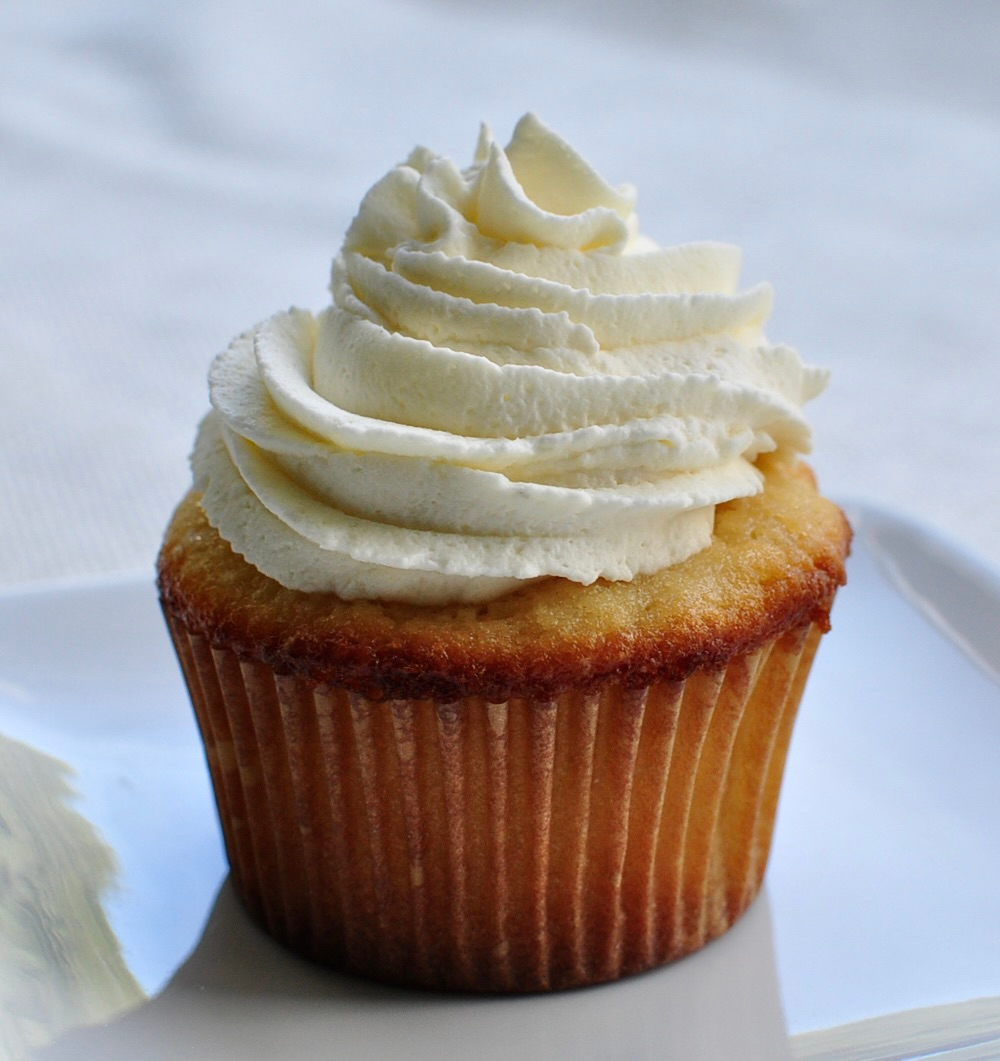 Vanilla Cupcakes