

The Surprising Scoop: Why Real Ice Cream Might Actually Be Good for You
As someone who is passionate about both fabulous recipes and evidence-based wellness, I am absolutely thrilled to share a recent, deeply fascinating development in the world of nutrition. We often think we have to choose between our health and our favorite indulgences, but what if one of our most beloved desserts actually had a hidden biological superpower?
Yes, we are talking about ice cream. And not just as a “cheat day” treat, but as a food that top-tier researchers are looking at with profound curiosity. Let’s grab a spoon and dig into the ice cream paradox, what the science is saying, and how you can be a discerning dessert detective at the grocery store.

The Surprising Science: Ice Cream and Diabetes
For decades, we’ve been told to avoid high-fat, high-sugar dairy. Yet, an unexpected signal emerged when Harvard researchers tracked the diets of roughly 190,000 adults over multiple decades. To the shock of the scientific community, regular consumers of ice cream (around a half-cup serving, one to two times a week) repeatedly demonstrated a lower risk of developing type 2 diabetes and related cardiovascular precursors compared to those who abstained, a puzzling phenomenon highlighted by SciTechDaily.
How could this be? While these are observational studies—meaning they show a pattern rather than direct cause and effect—experts have proposed some very intriguing physiological reasons. First, ice cream has a surprisingly moderate glycemic index. Thanks to its rich fat and protein content, it digests slowly, meaning it spikes your blood sugar less drastically than a bowl of brown rice, as discussed in The Atlantic.
But the most fascinating theory revolves around a microscopic marvel called the Milk Fat Globule Membrane.
What is the Milk Fat Globule Membrane (MFGM)?
To understand why ice cream might act differently in our bodies than other fats, we have to look at the structure of dairy fat. In mammalian milk, every fat droplet is naturally encased in a triple-layered biological envelope called the Milk Fat Globule Membrane (MFGM).
Think of MFGM as a biochemically complex “skin” packed with bioactive proteins, phospholipids, and beneficial compounds. Research summarized by Get Raw Milk indicates that this intact membrane has measurable, positive biological effects in humans. It can improve gut barrier function, lower post-meal inflammation, and actually improve insulin sensitivity.
When we process dairy aggressively—such as churning cream into butter—we break and discard this magical membrane. But in foods like fluid cream and real ice cream, the MFGM remains largely intact. Scientists hypothesize that this intact membrane acts as a metabolic shield, making the fats in ice cream far more metabolically neutral, or even protective, as noted by the National Federation of Professional Trainers.
What is Considered “Real” Ice Cream?
If you are hoping to reap the potential benefits of the MFGM, you can’t just eat any frozen treat. You need real ice cream.
By FDA standards, a product can only be legally labeled “ice cream” if it contains at least 10% dairy milk fat, has no more than 100% “overrun” (the amount of air whipped into it), and weighs at least 4.5 pounds per gallon. If a product fails to meet these standards, it must be labeled as a “Frozen Dairy Dessert.”
To a purist, however, “real” ice cream is defined by its pristine ingredient list. A traditional French-style or Philly-style ice cream should only contain a handful of whole, recognizable ingredients: milk, cream, sugar, and perhaps egg yolks and a natural flavor like vanilla bean.
The Label Detective: Good vs. Bad Ingredients
When you hit the freezer aisle, turn the carton around. Your health and your taste buds will thank you for being a little picky!
The “Good” Ingredients You Want to See:
- Whole Milk & Heavy Cream: The foundation of real ice cream and the carrier of that precious MFGM.
- Cane Sugar: While still a sweetener, pure cane sugar is far superior to highly processed syrups.
- Egg Yolks: These act as a natural emulsifier, giving ice cream a rich, custardy texture without the need for synthetic additives.
- Real Flavorings: Look for actual vanilla bean extract, pure cocoa powder, or real fruit.
The “Bad” Ingredients to Avoid:
- High Fructose Corn Syrup: A highly processed sweetener linked to metabolic distress.
- Artificial Colors & Flavors: Ingredients like Red 40 or generic “artificial flavor” have no place in a quality dessert.
- Mono- and Diglycerides & Polysorbate 80: These are synthetic emulsifiers used to artificially mimic the luxurious mouthfeel of real cream.
- Vegetable Oils: If you see palm oil, soybean oil, or coconut oil on a dairy ice cream label, put it back. They are often used as cheap fillers to replace real, high-quality dairy fat.
- Excessive Gums: While a tiny amount of guar gum or locust bean gum is common to prevent ice crystals, an ingredient list dominated by cellulose gum or carrageenan usually indicates a lower-quality, water-heavy product relying on stabilizers for texture.

Store-Bought Superstars: Brands to Look For
Finding real ice cream in a sea of frozen dairy desserts can be tricky, but these brands consistently deliver high-quality, minimally processed scoops:
- Häagen-Dazs: Their classic flavors (like Vanilla or Strawberry) are famous for having just five simple ingredients: cream, skim milk, cane sugar, egg yolks, and vanilla extract.
- Straus Family Creamery: An incredible organic brand that relies on premium, pasture-raised dairy with no weird gums or stabilizers.
- Jeni’s Splendid Ice Creams: A beloved artisanal brand that uses grass-grazed milk and phenomenal, whole-food ingredients.
- Alec’s Ice Cream: This brand is entirely organic and made with A2 dairy, making it incredibly gentle on the digestive system.
- Tillamook: While ingredient lists vary by flavor, their old-fashioned vanilla and fruit flavors rely on high-quality cream and milk without synthetic emulsifiers.
Make Your Own at Home!
While there are fantastic brands out there, the absolute best way to ensure you are eating 100% real ice cream is to make it yourself. Controlling the quality of your dairy, the exact amount of sugar, and the freshness of your mix-ins is an incredibly rewarding culinary experience.
I’ve been experimenting with some luscious, whole-ingredient recipes right here in the ModeratePosh kitchen. You can check out my absolute favorite, foolproof homemade methods right here:
Rich & Creamy Roasted Black Sesame Ice Cream
Homemade Chocolate Oreo Ice Cream
Tropical Guava Ice Cream
Ice cream doesn’t have to be a guilty secret. When crafted with real, wholesome dairy and enjoyed in mindful moderation, it’s a beautiful—and perhaps even metabolically surprising—part of a balanced life. Grab your favorite bowl, enjoy every single spoonful, and stay deliciously well!
 Strawberry Mochi Squares
 Easy Blanched Shanghai Bok Choy
 Strawberry Chia Seed Jam
 Matcha Mochi Squares
 Pan-Seared Oven-Finished Duck Breasts
 Counter Culture: What to Keep Out of Your Fridge
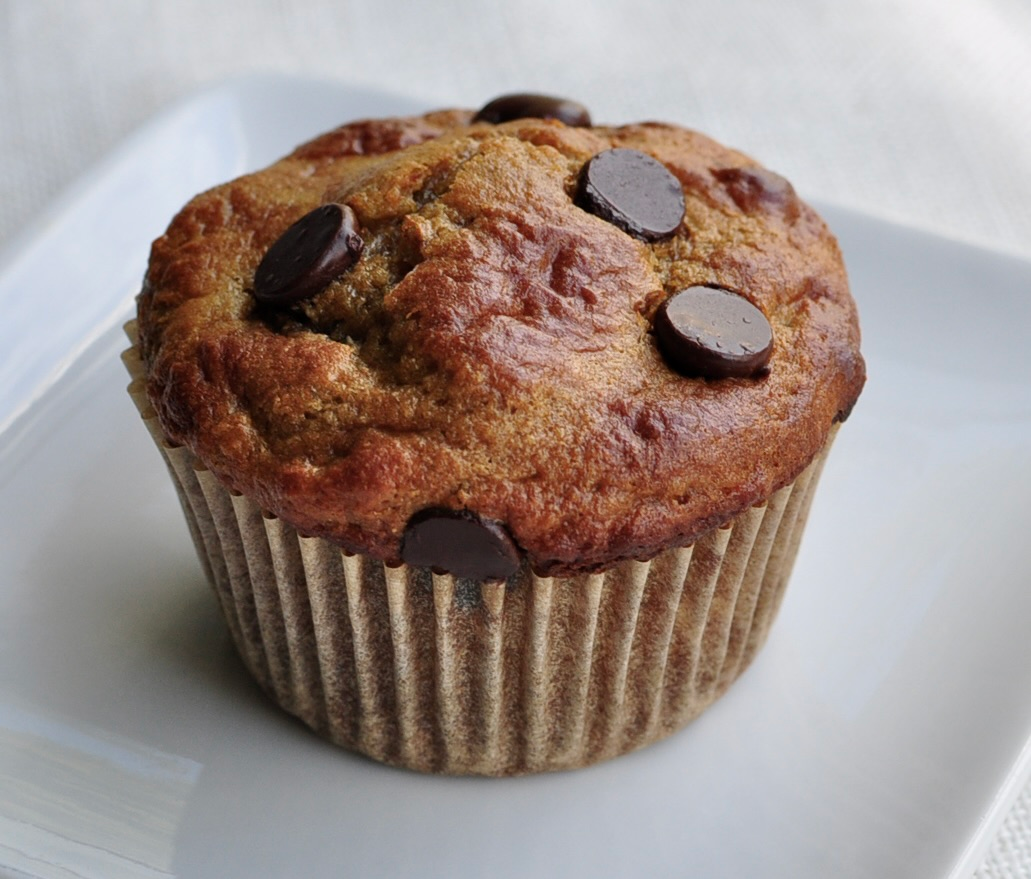 Banana Protein Muffins
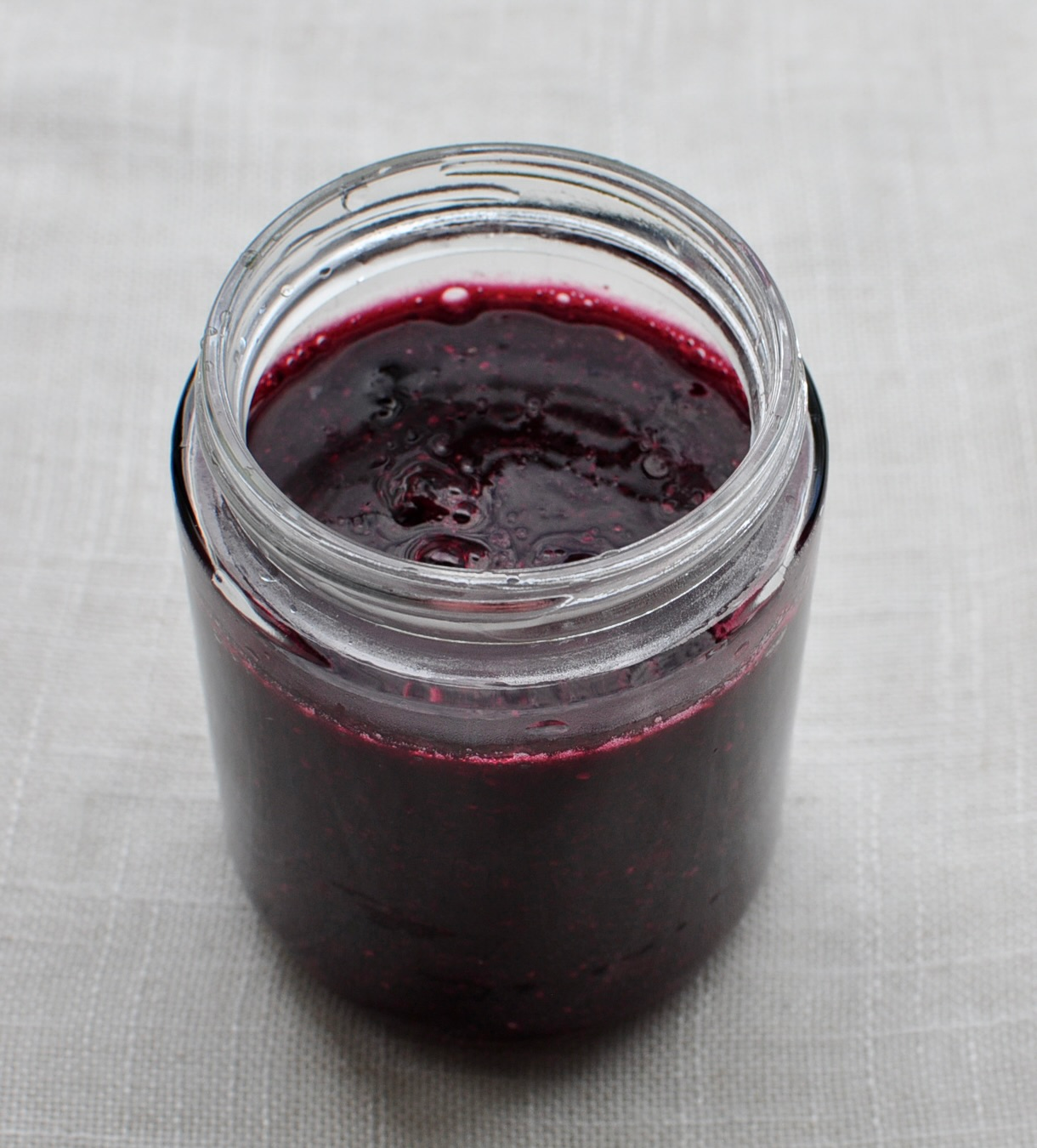 Blueberry Chia Seed Jam
 Chocolate Cupcakes
 Vanilla Cupcakes