

This post contains affiliate links. As an Amazon Associate, I earn from qualifying purchases.
Shrimp Lo Mein with Napa Cabbage, Red Peppers and Shredded Carrots
Why This Shrimp Lo Mein is a Weeknight Savior Let’s be honest: sometimes you just need noodles. But waiting 45 minutes for delivery when you could make a fresher, more vibrant version at home in half the time? That’s a no-brainer. This Shrimp Lo Mein is wonderfully versatile, utterly satisfying, and packs a major flavor punch with minimal effort.

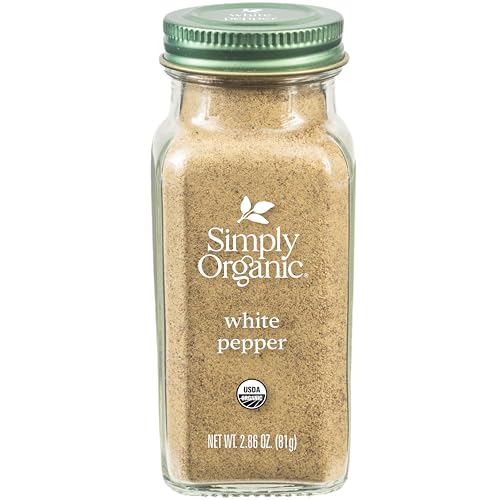
The Secret to Restaurant-Quality “Snappy” Shrimp If you’ve ever wondered how your favorite takeout joint gets their shrimp so perfectly plump and snappy, I’m letting you in on the secret: baking soda! We’re taking defrosted, peeled, and deveined shrimp and treating them to a magical little marinade of corn starch, baking soda, Shaoxing wine, white pepper, low sodium soy sauce, fresh garlic, and sesame oil. That tiny dash of baking soda completely transforms the texture, giving you that irresistible snap in every single bite.
Time-Saving Veggies & Versatile Noodles We love a recipe that adapts to what’s in the fridge. I always use a classic egg noodle for this, but if you only have spaghetti pasta sitting in your pantry? Go for it—it works beautifully! For the veggies, I keep it vibrant and crunchy with Napa cabbage, red bell peppers, and my favorite shortcut: pre-shredded matchstick carrots. Buying them pre-cut saves so much chopping time, leaving you more time to actually enjoy your dinner.
The Ultimate Umami Flavor Bombs We are layering flavors like pros here. First up: the stir-fry fat. Instead of standard oil, we are cooking this in beef tallow. (Make your own beef tallow with my recipe here.) It adds a deep, rich, savory umami note that elevates the entire dish. Then comes the glossy brown sauce slurry made from chicken broth, corn starch, low sodium soy sauce, and vegan oyster sauce. Why vegan oyster sauce? It actually tastes cleaner and simpler than traditional oyster sauce, letting the sweet flavor of the shrimp and the richness of the tallow really shine through without overpowering the dish.
How to Bring It All Together (Fast!) Stir-frying moves quickly, so have your ingredients ready! We sear the shrimp first just until they turn a lovely pink, then scoop them out so they don’t overcook. Next, the veggies hit the hot beef tallow—carrots first, then Napa cabbage, then the red peppers. Once they’re vibrant, pour in that glorious sauce slurry. The second it starts to bubble and simmer, toss in your noodles, mix it all up, and welcome those beautiful shrimp back to the party.
Garnish with fresh scallions, and if you’re anything like me, hit it with a heavy spoonful of spicy, crunchy chili crisp!
Try our other popular Chinese food recipes…

Sichuan Water Boiled Fish (Shui Zhu Yu)
Sichuan Water Boiled Fish, or Shui Zhu Yu, is a popular dish characterized by tender fish fillets, napa cabbage, and celery in a spicy broth infused with chili peppers and Sichuan peppercorns. The dish’s unique flavors create a mouth-numbing sensation, making it a beloved favorite and most popular fish dish from China.

Traditional Wontons
These Traditional Wontons with Pork, Shrimp, and Shiitake are the ultimate make-ahead freezer meal. Wrap a whole baking sheet’s worth in one session, stash them in a freezer bag, and pull out a perfectly satisfying meal anytime — no folding required on busy nights. Classic flavors, real texture, and a prep strategy that actually saves you time in the long run.
How to velvet the shrimp to create the perfect snappy texture
- shrimp, peeled and deveined
- baking soda
- corn starch
- low-sodium soy sauce
- sesame oil
- shaoxing wine
- white pepper
- garlic
- salt

Visual Step-by-Step Guide for Making Shrimp Lo Mein:


What’s in the shrimp lo mein
- velveted shrimp
- beef tallow
- egg noodles
- shredded carrots
- Napa cabbage
- red peppers
- low-sodium soy sauce
- vegan oyster sauce
- chicken broth
- corn starch
- sesame oil

Shrimp Lo Mein

The ultimate weeknight Shrimp Lo Mein! Using a clever baking soda trick for restaurant-quality “snappy” shrimp, pre-cut veggies to save time, and a simple sauce, this noodle stir-fry is about to become your new dinner obsession. Fried in beef tallow for an unexpected umami boost—just toss with your favorite noodles and top with a generous spoonful of chili crisp!
- Prep Time: 15 minutes
- Cook Time: 20 minutes
- Total Time: 35 minutes
- Yield: 6 servings 1x
- Category: Dinner, Lunch
- Method: Stir-Fry
- Cuisine: Chinese
- Diet: Dairy-Free, Pescatarian
Ingredients
shrimp marinade
- 2 pounds shrimp, peeled and deveined
- 1 tablespoon shaoxing wine
- 1 tablespoon soy sauce
- 1 teaspoon cornstarch
- 1/2 teaspoon baking soda (1/4 teaspoon per pound)
- pinch of white pepper
- pinch of salt
- 4 cloves garlic, minced
lo mein and vegetables
- 2 tablespoons beef tallow (or olive oil), divided
- 2 1/2 cups (10 ounces) carrots, cut into matchsticks
- 3 cups (8 ounces) napa cabbage, chopped
- 1 red bell pepper, sliced in thin strips
- 1/2 teaspoon salt
- 1 scallion, chopped for garnish
brown sauce
- 1/4 cup low-sodium soy sauce
- 1/4 cup vegan oyster sauce
- 2 teaspoons sesame oil
- 1/2 cup chicken broth or water
- 2 teaspoons corn starch
Instructions
- Combine all the ingredients together for the shrimp marinade: shrimp, shaoxing wine, soy sauce, cornstarch, baking soda, white pepper, salt and garlic. Mix until all the shrimp are evenly coated. Set aside.
- Whisk together all the ingredients for the brown sauce: low-sodium soy sauce, vegan oyster sauce, sesame oil, chicken broth (or water) and corn starch. Set aside.
- Bring a large pot of salted water to a boil. Add 1 tablespoon of olive oil. Cook the noodles 1 minute shy of al dente, according to the package instructions. Drain and rinse under cold water to stop the noodles from cooking further. Set aside.
- In a large skillet or wok, heat 1 tablespoon of beef tallow over medium high heat. Add the shrimp and garlic and stir fry until just pink, about 1 to 2 minutes. Remove the shrimp from the pan. Set aside.
- In the same skillet or wok, add the remaining 1 tablespoon of beef tallow. On medium-high heat, stir fry the carrots, napa cabbage and red bell peppers until just tender, about 5 minutes. Add some salt to help the vegetables sweat while you stir fry.
- Add the brown sauce. Stir fry that all together until the sauce starts to simmer, about 1 minute.
- Add the cooked noodles and stir fry it all together. Toss until the noodles are evenly coated in the brown sauce and it starts to get thick, about 2 to 3 minutes.
- Add the shrimp and toss that all together to evenly distribute all the vegetables, egg noodles and shrimp.
- Garnish with the chopped scallions and serve.
Nutrition
- Serving Size: 2 cups
- Calories: 538
- Sugar: 4
- Sodium: 1565 mg
- Fat: 9.5 g
- Saturated Fat: 3 g
- Unsaturated Fat: 5.5 g
- Trans Fat: 0 g
- Carbohydrates: 64 g
- Fiber: 4.5 g
- Protein: 41 g
- Cholesterol: 261 mg
❓ FAQ’s for Shrimp and Vegetable Lo Mein
Absolutely — regular oyster sauce works fine. The vegan version just has a cleaner, lighter flavor that doesn’t overpower the other ingredients. Try both and decide who you are as a person.
Fresh or dried egg noodles are the classic choice, but this recipe is genuinely flexible. Rice noodles, udon, ramen, and even regular spaghetti all work great. Just cook them to al dente before stir-frying so they don’t fall apart in the wok.
Baking soda is the key to that snappy, restaurant-style shrimp texture — it’s a technique called velveting. It slightly tenderizes the surface of the shrimp while helping it stay juicy and bouncy instead of tough and rubbery. Don’t skip it.
Yes — avocado oil, olive oil or vegetable oil will work as alternatives. That said, the beef tallow adds a uniquely rich umami quality that’s worth trying if you have access to it. Neutral oils like vegetable or canola will get the job done but won’t bring that same depth of flavor.
Fresh shrimp is great if you can get it! Most “fresh” shrimp at the seafood counter has actually been previously frozen and thawed anyway, so quality frozen shrimp is a perfectly reliable (and convenient) choice.
Pull them out of the wok the moment they turn pink and are just cooked through — they’ll finish warming up when they go back in at the end. Overcooked shrimp is the fastest way to ruin a good lo mein, and you’ve done too much work to let that happen.
It can be! Swap in gluten-free noodles (rice noodles or glass noodles are great), use tamari instead of low-sodium soy sauce, and double-check your vegan oyster sauce label for gluten-free certification. Easy swaps, same great dish.
SHOP FOR THIS RECIPE


 Strawberry Mochi Squares
 Easy Blanched Shanghai Bok Choy
 Strawberry Chia Seed Jam
 Matcha Mochi Squares
 Pan-Seared Oven-Finished Duck Breasts
 Counter Culture: What to Keep Out of Your Fridge
 Banana Protein Muffins
 Blueberry Chia Seed Jam
 Chocolate Cupcakes
 Vanilla Cupcakes