

This post contains affiliate links. As an Amazon Associate, I earn from qualifying purchases.
MSG is Everything Everywhere All At Once
I grew up hearing that Monosodium Glutamate (MSG) was unhealthy and dangerous, causing headaches, stomach pains, racing hearts, bloating and sleepiness, just to name a few. In reality, these perceived negative side effects stemmed from racist undertones that painted Asian food, and Asians in general, as dirty, foreign and suspicious. In reality, MSG is also found in many American foods, like Doritos, Pringles, canned soups, taco seasoning, deli meats, hot dogs, McDonalds, Chick-fil-A, Wendy’s and KFC. Yet, the phenomenon of The Chinese Restaurant Syndrome persisted, leading to many Asian restaurants to display “No MSG” signs on their windows like a badge of honor.
MSG is safe
If you check your food label and don’t specifically see monosodium glutamate listed, it doesn’t mean there is no MSG in the food. Some labels use aliases like yeast extract, hydrolysis protein, spice extract and dextrose. Regardless of the name, is it bad for you? In the 1990’s, the Federation of American Societies for Experimental Biology (FASEB) was commissioned by the U.S. Food and Drug Administration (FDA) to research the safety of MSG. FASEB concluded that MSG is safe.
The Nocebo Effect
Remember the song lyrics, I like girls who wear Abercrombie and Fitch, Chinese food makes me sick… I’m cringing at my younger self who sang along to this LFO song. MSG does not deserve its toxic reputation. So what’s up with all the people who swore they get sick from Chinese food? Well, it can be explained by something called the nocebo effect. That happens when negative side effects happen to someone simply because they believe something causes them harm. Just expecting a physical reaction to MSG can trigger an actual reaction, even if MSG really isn’t the cause. Wow, talk about mind over body! After all, the billions of people in China aren’t walking around with headaches and numbness because they never had the same xenophobic connotations of MSG as they did in the U.S.
What is MSG exactly?
MSG is a flavor enhancer often described as unami and savory. It was invented in 1908 by a Japanese chemist named Kikunae Ikeda by extracting glutamate from seaweed broth. Nowadays, MSG is made by fermenting starch, sugar cane, sugar beets, or molasses into a powder. It is odorless and can be sprinkled onto food like table salt. A growing number of Chefs are now openly embracing the use of MSG. I have started using this ingredient in my recipes, even going back to my tried-and-trues by tweaking my old recipes with MSG and I’m loving the difference. You will find many recipes here on Moderate Posh with MSG and ingredients that contain MSG, like bouillon and soy sauce. Let’s destigmatize MSG, one recipe at a time.
RELATED: Nitrates, Nitrate-Free, Cured, Uncured, All-Natural, Celery Powder: What does all this really mean?

Join our Mailing List
I’ll have recipes you’d want to try and info on all things Moderately Posh. Inbox clutter is real so I promise not to bombard you with useless stuff.
By submitting your information, you are giving us permission to email you. You may unsubscribe at any time.
 Strawberry Mochi Squares
 Easy Blanched Shanghai Bok Choy
 Strawberry Chia Seed Jam
 Matcha Mochi Squares
 Pan-Seared Oven-Finished Duck Breasts
 Counter Culture: What to Keep Out of Your Fridge
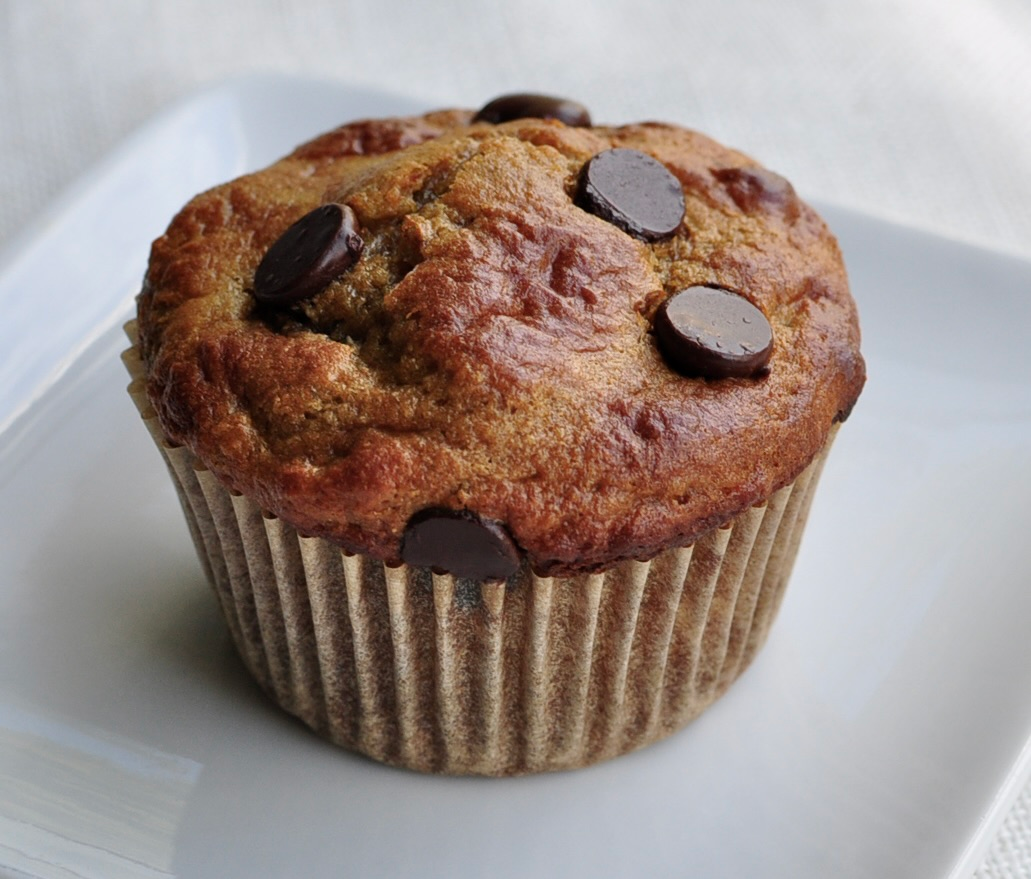 Banana Protein Muffins
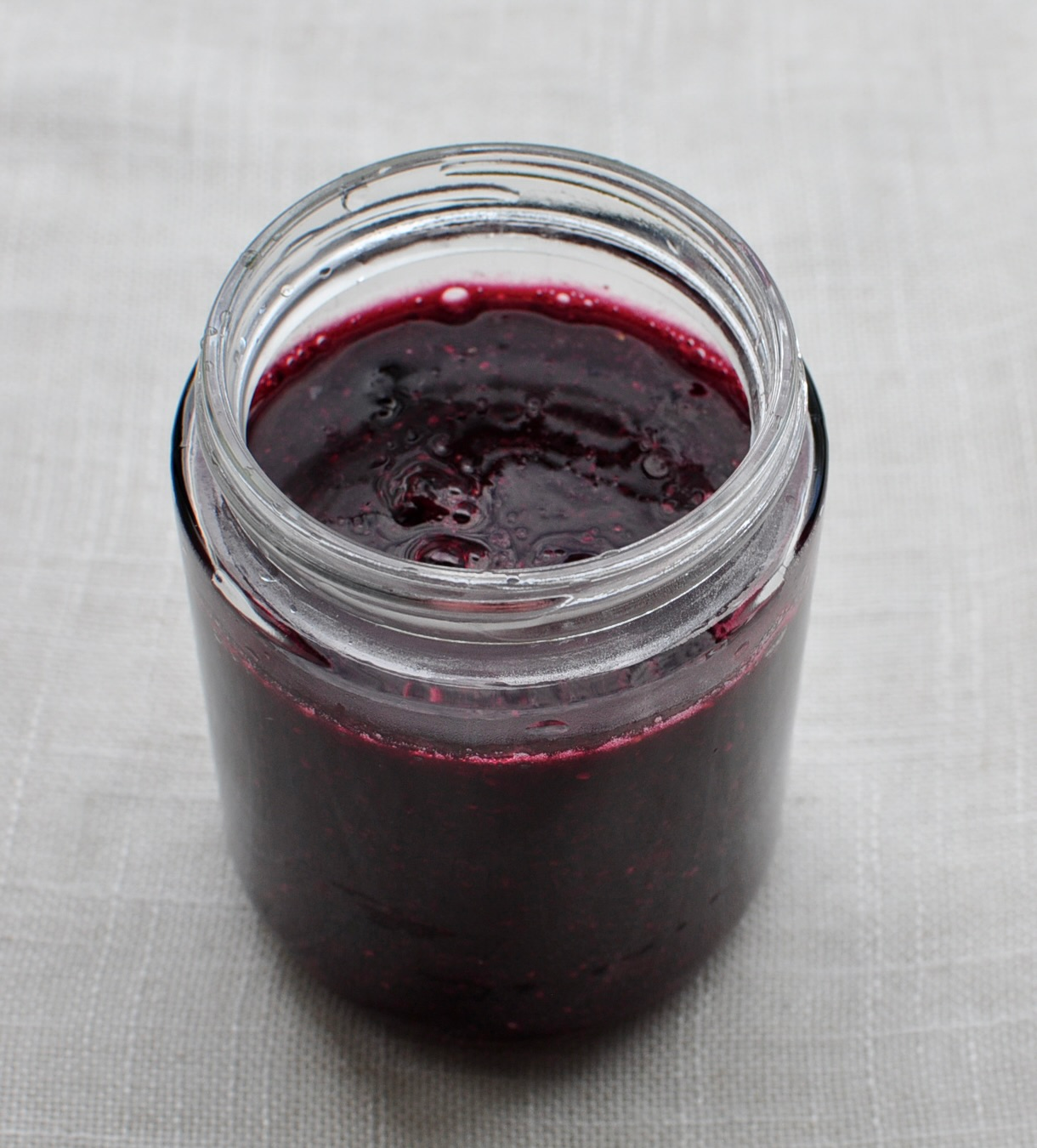 Blueberry Chia Seed Jam
 Chocolate Cupcakes
 Vanilla Cupcakes