

This post contains affiliate links. As an Amazon Associate, I earn from qualifying purchases.
In 2024, everyone was obsessed with hitting their protein goals. In 2025, we focused on gut health. Now, in 2026, these two worlds have collided to create the biggest wellness movement of the year: Fibermaxxing.
If your social media feed is suddenly full of giant bowls of chia seeds, cabbage steaks, and people tracking grams of psyllium husk instead of grams of whey, you’ve officially entered the era of the fiber-obsessed.
What is Fibermaxxing?
Fibermaxxing is the practice of intentionally maximizing dietary fiber intake—often reaching for 40 to 60 grams per day, which is nearly double the current USDA recommendation (25–30g).
It isn’t necessarily replacing the protein trend; rather, it’s a reaction to it. Many people found that high-protein, low-carb diets left them with sluggish digestion and a heavy feeling. Fibermaxxing is being marketed as the “clean-out” protocol that makes a high-protein diet sustainable.
Why is Everyone Doing It? Here are the benefits:
• The Natural “GLP-1” Effect: Fiber triggers the release of ileal break hormones that tell your brain you’re full. This natural Ozempic effect is the primary driver of the trend—people are using fiber to manage hunger and stabilize blood sugar.
• Gut Microbiome Diversity: Fiber is a prebiotic (food for your good gut bacteria). Fibermaxxing is essentially fertilizing your internal garden.
• Blood Sugar Blunting: Eating fiber before a meal creates a viscous mesh in the gut that slows down the absorption of glucose, preventing energy crashes.
• Hormonal Balance: Fiber helps the body bind to and excrete excess estrogen and toxins, leading to clearer skin and better moods.
How People are “Maxxing” Their Routines
Fibermaxxing has moved beyond just eating more broccoli. It has become a lifestyle of functional additions:
• The “Fiber Starter”: Starting every meal with a small salad or a plate of raw vegetables (the “veggie starter” hack) to coat the stomach.
• Chia/Basil Seed Slurries: Drinking internal shower drinks—water mixed with lemon and hydrated seeds—before breakfast.
• Resistant Starch Prep: Cooking and then cooling potatoes or rice before eating them. This process converts the starch into resistant starch, which acts as a fiber and doesn’t spike blood sugar.
• Seed Cycling 2.0: Incorporating flax, hemp, and pumpkin seeds into almost every dish, from morning yogurt to evening soup.
Can You Have Too Much of a Good Thing? The Negatives:
“Maxxing” anything usually comes with caveats. If you dive into Fibermaxxing too fast, you may run into the Fiber Wall.
1. The “Gravel” Effect: Adding 30g of fiber to your diet overnight without increasing your water intake is a recipe for disaster. Fiber needs water to move; without it, it can cause severe constipation (the opposite of the goal!).
2. The Bloat Boat: Rapidly introducing fiber can cause excessive gas, cramping, and a distended belly as your gut bacteria frantically try to ferment the new food source.
3. Nutrient Malabsorption: In extreme cases, too much fiber can bind to essential minerals like calcium, magnesium, and iron, flushing them out before your body can absorb them.
4. The Fiber-Defense Issue: Some people with sensitive guts (like those with SIBO or IBS) find that “maxxing” fiber actually causes more inflammation.
Fiber vs. Protein: Which One Wins?
Savvy health conscious dieters aren’t choosing one—they are pairing them. The new gold standard for a perfect meal is now:
High Protein + High Fiber + High Healthy Fat = The Holy Trinity of Satiety.
| Instead of… | Try Fibermaxxing with… | Fiber Gain |
|---|---|---|
| White Rice | Lental Pasta or Quinoa | +6 grams per serving |
| Potato Chips | Roasted Chick Peas | +5 grams per serving |
| Orange Juice | Whole Orange | +3 grams per serving |
| Croutons | Toasted Pumpkin Seeds | +2 grams per serving |
#Fiber #Fibermaxxing #How to get more fiber in your diet #New trend in diets
 Strawberry Mochi Squares
 Easy Blanched Shanghai Bok Choy
 Strawberry Chia Seed Jam
 Matcha Mochi Squares
 Pan-Seared Oven-Finished Duck Breasts
 Counter Culture: What to Keep Out of Your Fridge
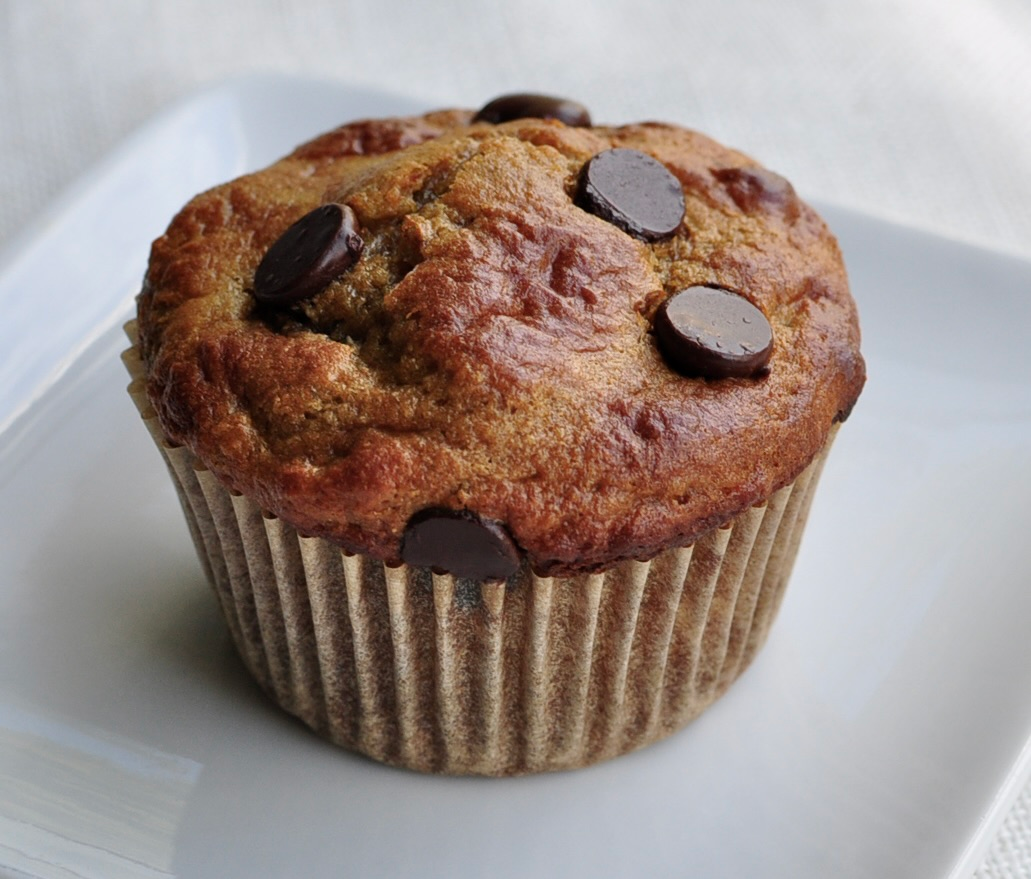 Banana Protein Muffins
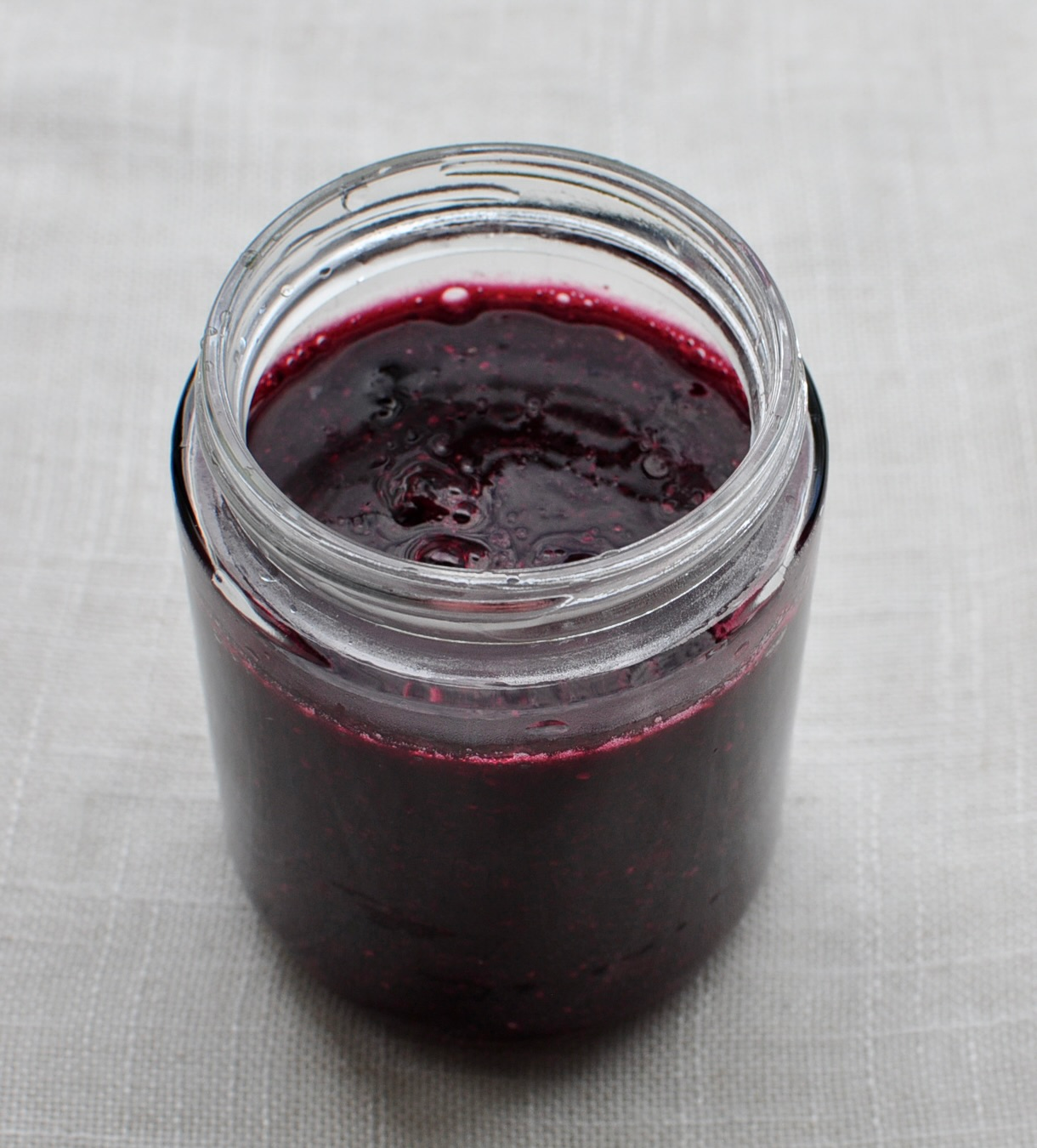 Blueberry Chia Seed Jam
 Chocolate Cupcakes
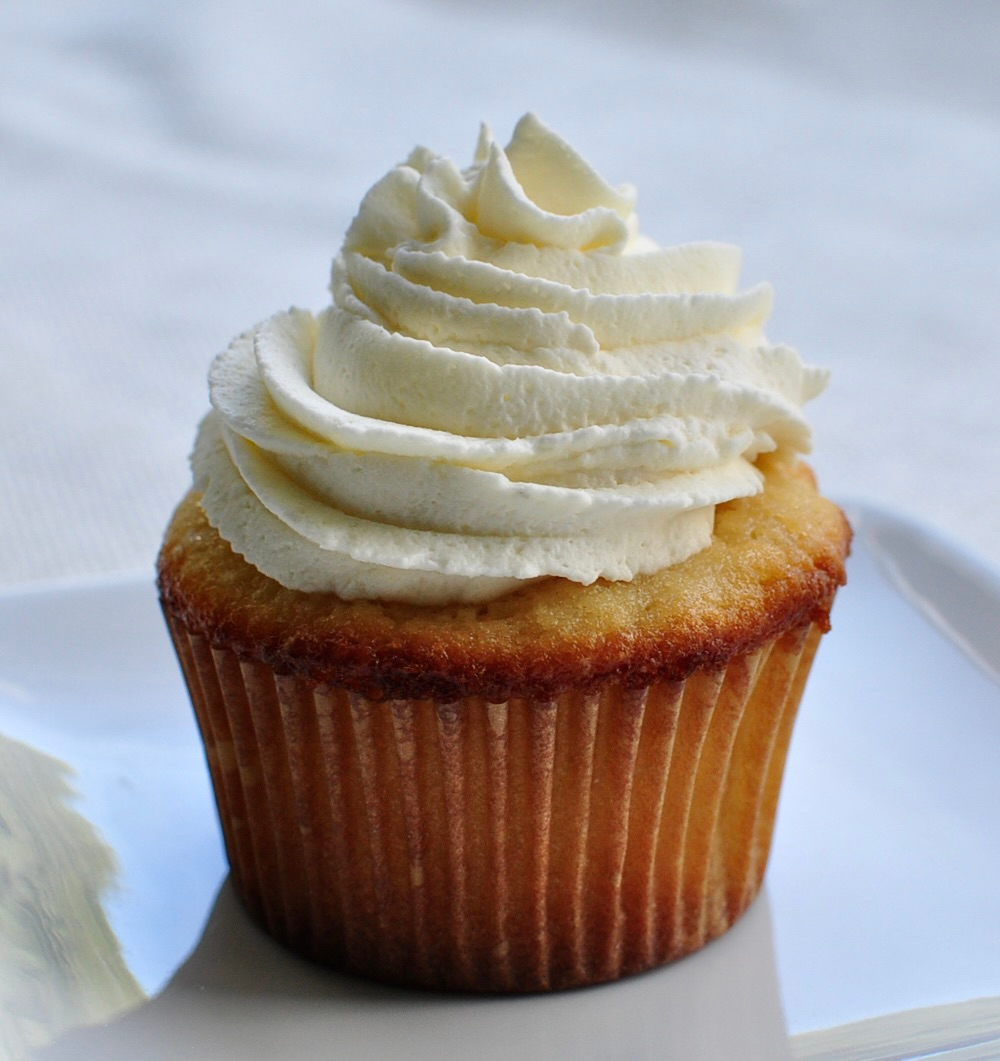 Vanilla Cupcakes