
Lead in Protein Powder
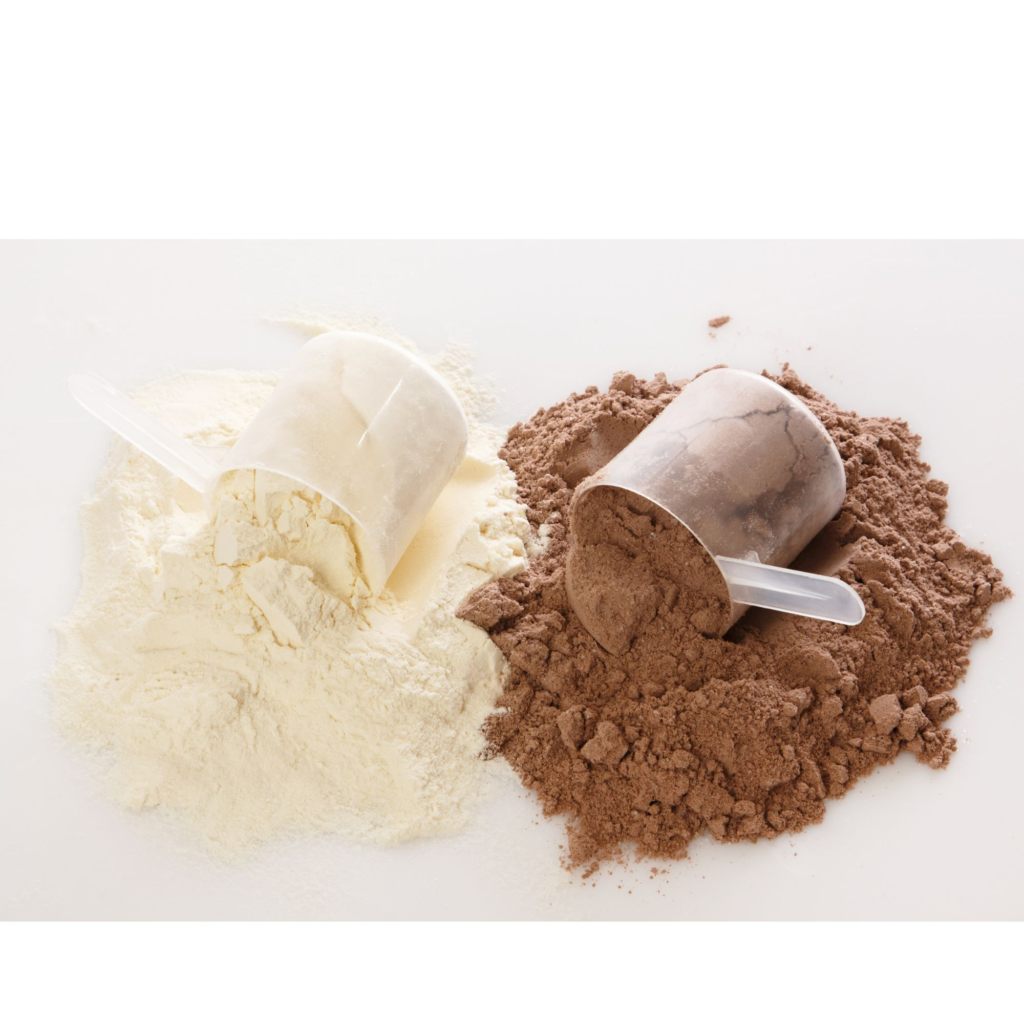
Recent investigations by organizations like Consumer Reports and the Clean Label Project have stirred up significant concern regarding heavy metals in protein powders. If you’re a regular user, you don’t necessarily need to throw out your tubs, but you should be aware of what you’re consuming.
The Lead Problem: How Does it Get There?
Most lead in protein powder isn’t added by manufacturers; it is naturally occurring in the environment.
• Soil Absorption: Plants (especially peas, soy, and hemp) absorb minerals and heavy metals from the soil as they grow.
• Concentration: When these plants are processed into a concentrated powder, the lead levels can become much higher than what you’d find in the original whole food.
• The Chocolate Factor: Interestingly, chocolate-flavored powders often test higher for heavy metals like lead and cadmium because cocoa beans are particularly good at absorbing these elements from the soil.
Is There a “Safe” Amount of Lead?
According to the FDA and the CDC, there is no known safe level of lead exposure. Lead is a cumulative toxin that can build up in the body over years.
• The Benchmarks: Many advocacy groups use California’s Proposition 65 as a benchmark, which sets a maximum allowable dose level (MADL) of 0.5 micrograms (mcg) per day.
The Concern: In a late 2025 study, Consumer Reports found that two-thirds of tested protein powders exceeded that 0.5 mcg limit in a single serving. Some contained as much as 7.7 mcg per serving.
Should You Skip It?
For most healthy adults, an occasional protein shake isn’t a major health risk. However, if you are consuming 2–3 shakes a day, every day, the cumulative exposure could potentially lead to issues like high blood pressure, kidney damage, or cognitive decline over the long term.
Which Types Are “Safest”?
If you want to minimize your lead intake, follow these general rules based on recent testing data:
• Dairy Over Plant: Whey and casein (dairy-based) proteins consistently test lower for lead than plant-based options because the filtration process for milk naturally removes many contaminants.
• Avoid Mass Gainers: These often have the highest levels of heavy metals because they contain a massive amount of concentrated ingredients.
• Flavor Matters: Choose Vanilla or Unflavored over Chocolate to avoid the extra metals found in cocoa.
Top Reputable Brands
Look for brands that undergo third-party testing (like NSF Certified for Sport or Informed Choice). Recent clean performers include:
1. Clean Simple Eats (Whey): Recently tested as one of the lowest in lead.
2. Ritual (Plant-based): Transparent about their sourcing and testing.
3. Puori: They publish third-party lab results for every single batch they produce.
4. Promix: Often cited for high purity standards in their whey products.
Whole-Food Alternatives
You don’t need powder to get high amounts of protein. If you want the same muscle-building benefits without the supplement risk, try these whole food swaps:
| Food Source | Protein Amount |
|---|---|
| Greek Yogurt (1 cup) | ~20 to 24 grams |
| Cottage Cheese (1 cup) | ~25 grams |
| Canned Tuna or Salmon (5 oz) | ~30 to 35 grams |
| Chicken Breast (4 oz) | ~31 grams |
| Tempeh (1 cup) | ~31 grams |
| Lentils (1 cup, cooked) | ~18 grams |
When it comes to supplements, the most important information is often hidden in the fine print. Because the FDA does not approve dietary supplements for safety and effectiveness before they are marketed, the burden of detective work falls on the consumer.
🔍 The Red Flag Checklist for Supplement Labels
1. Look for Third-Party Seals
This is the gold standard for safety. Since you can’t see lead or mercury, you need a lab to verify it’s not there. Look for these logos:
• NSF Certified for Sport: The strictest certification; ensures no banned substances or high levels of contaminants.
• Informed Choice: Verifies the product is tested for impurities and banned substances.
• Clean Label Project: Specifically focuses on environmental toxins like heavy metals (lead, arsenic, cadmium).
2. Decode the Proprietary Blend
If you see the words “Proprietary Blend” or “Matrix,” be cautious.
• The Trap: Companies use these terms to hide exactly how much of each ingredient is in the product.
• The Risk: Often, the blend is mostly cheap fillers with only a tiny dusting of the high-quality ingredients advertised on the front. Look for “Fully Disclosed” labels where every milligram is accounted for.
3. Check the Protein-to-Calorie Ratio
Is your protein powder actually a sugar powder?
• The Math: Protein has 4 calories per gram. If a scoop has 20g of protein (20 x 4 = 80 calories), but the total calories per serving is 200, you are getting 120 calories of other stuff (fats, sugars, fillers).
• The Goal: Aim for a powder where protein makes up at least 70-80% of the total calories.
4. Watch Out for Amino Spiking
Some companies add cheap individual amino acids (like taurine or glycine) to trick nitrogen tests into showing a higher protein count than what is actually there.
• Red Flag: If you see specific amino acids listed in the Other Ingredients section rather than as part of a natural amino acid profile, the protein count might be spiked.
5. Identify Unnecessary Fillers
The shorter the ingredient list, the better. Try to avoid or minimize:
• Artificial Sweeteners: Sucralose, Aspartame, or Acesulfame Potassium.
• Thickeners/Gums: Xanthan gum or Guar gum (can cause bloating in sensitive stomachs).
• Hydrogenated Oils: Sometimes added to creamer blends to improve mouthfeel but adds unhealthy trans fats.
 Strawberry Mochi Squares
 Easy Blanched Shanghai Bok Choy
 Strawberry Chia Seed Jam
 Matcha Mochi Squares
 Pan-Seared Oven-Finished Duck Breasts
 Counter Culture: What to Keep Out of Your Fridge
 Banana Protein Muffins
 Blueberry Chia Seed Jam
 Chocolate Cupcakes
 Vanilla Cupcakes