

This post contains affiliate links. As an Amazon Associate, I earn from qualifying purchases.
23 Foods You’re Storing Wrong (And Where They Actually Belong)
A ModeratePosh guide to storing your groceries the smart (and tasty) way
We’ve all done it. We come home from the farmers market or grocery store and put everything straight into the fridge, as if cold were a fix for every food. The refrigerator is great, but it isn’t right for everything. Some foods lose flavor in the cold. Others turn mealy, sprout early, or go stale faster than they would on the counter.
At ModeratePosh, we think good food starts well before you turn on the stove. A perfectly ripe tomato, a crusty loaf of bread, or a jar of golden honey deserves better than a cold, damp crisper drawer. Here’s what to keep out of the fridge and why.
Produce That Belongs on the Counter
1. Tomatoes

This is the classic example. Cold temperatures break down the compounds that give tomatoes their sweet, summery flavor, and they also make the flesh mealy. Keep tomatoes stem-side down on the counter, out of direct sunlight, and eat them at their peak.
The exception: If a tomato is fully ripe and you can’t use it within a day or two, the fridge can buy you some time. Let it come back to room temperature before eating so you get as much flavor back as possible.
2. Avocados (Until Ripe)
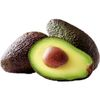
Firm avocados need warmth to ripen. If you put them in the fridge too early, they can stay hard for days. Leave them on the counter until they give slightly when you press them gently. Then you can move them to the fridge to slow down further ripening.
Pro tip: To speed things up, put an avocado in a paper bag with a banana or apple. The ethylene gas those fruits give off helps it ripen.
3. Bananas

In the fridge, banana peels turn black fast and the fruit stops ripening properly. Keep them on the counter, ideally on a banana hanger so they don’t bruise. If they’re overripe, peel them and freeze them for smoothies or banana protein muffins.
4. Stone Fruit (Peaches, Plums, Nectarines, Apricots)

Unripe stone fruit that goes into the fridge often ends up dry, mealy, and bland. Ripen it on the counter, shoulder-side down, until it smells fragrant and feels a little soft. Once it’s ripe, you can refrigerate it for a few days if you need to.
5. Mangoes, Pears, Kiwis, and Papayas

Like stone fruit, these keep ripening after they’re picked, and they do that best at room temperature. Keep them on the counter until ripe, then chill them briefly if you want to hold them longer.
6. Whole Melons
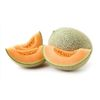
Watermelon, cantaloupe, and honeydew keep their flavor and texture best on the counter while they’re whole. Once you cut a melon, the pieces must go in the fridge. Cut melon is a food safety concern if left out.
7. Potatoes

Cold can turn potato starch into sugar. That gives potatoes a strangely sweet taste and a gritty texture, and they can brown too much when fried or roasted. Store them in a cool, dark, well-ventilated spot like a pantry or cupboard, in a paper bag or basket instead of plastic.
8. Sweet Potatoes

Sweet potatoes are even more sensitive to cold than regular potatoes. In the fridge they can develop a hard core and an off flavor. Store them the same way as potatoes: cool, dark, and dry.
9. Onions and Shallots

Moisture is the enemy here. Whole onions in the fridge turn soft and moldy. Keep them somewhere cool, dry, and well-ventilated. Keep onions away from potatoes. Onions release gases and moisture that make potatoes sprout faster.
The exception: Once you’ve cut an onion, wrap it and put it in the fridge. Sweet onion varieties, which have more water, also last longer in the fridge.
10. Garlic
In the fridge, whole garlic heads can turn rubbery, go moldy, or start sprouting. Keep them in a ventilated container in the pantry, where they can last for months. Refrigerate only peeled or chopped cloves.
11. Winter Squash
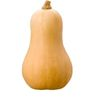
Butternut, acorn, spaghetti squash, kabocha, and pumpkins all keep for weeks, or even months, in a cool, dry spot. That makes them great fall centerpieces that double as dinner. Refrigerate them only after cutting.
12. Fresh Basil
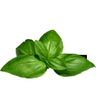
Basil is a delicate herb, and the fridge’s cold, damp air makes its leaves turn black and wilt. Trim the stems, stand the bunch in a glass of water like a bouquet, cover it loosely with a plastic bag, and keep it on the counter. Your kitchen will smell wonderful too.
13. Citrus (Short-Term)

Lemons, limes, oranges, and grapefruit keep well on the counter for about a week, and room-temperature citrus gives you more juice. If you need them to last longer, the fridge is fine. Let them warm up before juicing.
Pantry Staples That Hate the Cold
1. Bread

This is one of the most common storage mistakes. The fridge actually makes bread go stale faster, because cold speeds up the process that firms and dries out the starch. Keep bread in a bread box or paper bag on the counter for a few days. For longer storage, slice it and freeze it. You can toast slices straight from the freezer.
2. Honey

Honey is one of the few foods that almost never spoils. The fridge only makes it crystallize faster and turns it thick and hard to pour. Keep it tightly sealed in the pantry. If it crystallizes anyway, set the jar in a bowl of warm water to smooth it out again.
3. Olive Oil

Cold turns olive oil cloudy and can make it partly solid. It isn’t harmful, but it’s inconvenient when you want to drizzle some over a salad. Store it in a cool, dark cupboard away from the stove, because heat and light are what actually make oil go rancid. The same goes for most cooking oils, though delicate nut oils like walnut oil do better in the fridge.
4. Coffee (Beans and Grounds)
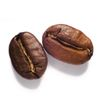
Coffee picks up odors and moisture easily. In the fridge, your morning cup can end up tasting faintly of last night’s leftovers. Keep it in an airtight, opaque container in the pantry. Buy whole beans in smaller amounts and grind them right before brewing for the best flavor.
5. Chocolate
Refrigerated chocolate can get “sugar bloom,” a dull, chalky white coating that forms when moisture condenses on the surface. It’s safe to eat but not pretty, and the cold also mutes the flavor. Store chocolate wrapped in a cool, dry pantry.
6. Peanut Butter (Most Commercial Brands)

Regular shelf-stable peanut butter is perfectly happy in the pantry, and it stays spreadable there. The exception: Natural peanut butters made with no stabilizers can go rancid faster, so refrigerating those after opening is a good idea.
7. Hot Sauce and Soy Sauce

Thanks to their vinegar and salt, most hot sauces and soy sauce keep safely in the pantry for months. Some people refrigerate hot sauce to keep its color and heat longer, but it isn’t required. Check the label to be sure.
8. Vinegar

Vinegar is naturally acidic and preserves itself, so it never needs refrigeration. Balsamic, red wine, apple cider, and rice vinegar all belong in the pantry.
9. Dried Herbs and Spices

The fridge’s moisture can make spices clump and lose their strength. Keep them in airtight jars somewhere cool and dark, and not in the rack right above your stove, where heat and steam wear them down.
10. Unopened Jams and Preserves
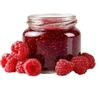
Sealed jars of jam are fine in the pantry. Once you open them, though, most should go in the fridge. That includes homemade, lower-sugar spreads like our Blueberry Chia Seed Jam, which needs to be refrigerated because it doesn’t have the high sugar content of traditional preserves.
Quick-Reference Cheat Sheet
| Food | Where to Store | Refrigerate When… |
|---|---|---|
| Tomatoes | Counter | Fully ripe and not used within 1–2 days |
| Avocados | Counter | Ripe |
| Bananas | Counter | Never (freeze instead) |
| Stone fruit | Counter | Ripe |
| Whole melons | Counter | Cut |
| Potatoes & sweet potatoes | Cool, dark pantry | Not recommended |
| Onions & garlic | Cool, dry pantry | Cut or peeled |
| Winter squash | Cool, dry pantry | Cut |
| Basil | Counter, in water | Not recommended |
| Bread | Counter/bread box | Never (freeze instead) |
| Honey | Pantry | Never |
| Olive oil | Dark cupboard | Not recommended |
| Coffee | Airtight pantry container | Not recommended |
| Chocolate | Cool, dry pantry | Only in very hot, humid kitchens |
| Peanut butter | Pantry | It’s a natural/no-stir variety |
A Note on Food Safety
Counter storage is about whole, uncut produce and shelf-stable pantry items. Once you slice, peel, or cook something, it should go in the fridge, usually within two hours. When in doubt, check the label. Many products say “refrigerate after opening” for good reason.
The Takeaway
Storing food well doesn’t take any fancy equipment, just a little know-how. If you give your tomatoes, bread, and honey the right home, you’ll get better flavor, less waste, and fewer sad, mealy peaches.
Now that your counter is stocked like a pro’s, it’s time to put all that produce to use. Browse more recipes here on MODERATEPOSH, and tell us in the comments which food storage mistake surprised you most.
#What to keep out of your fridge
 Strawberry Mochi Squares
 Easy Blanched Shanghai Bok Choy
 Strawberry Chia Seed Jam
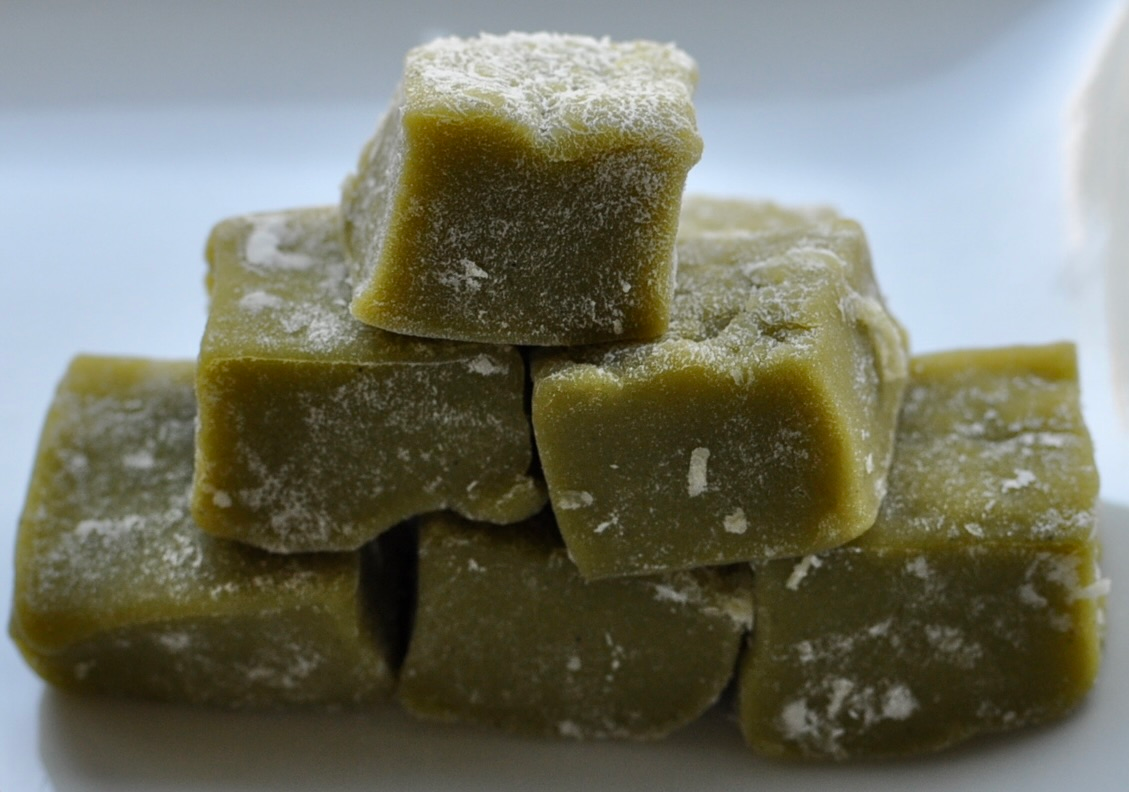 Matcha Mochi Squares
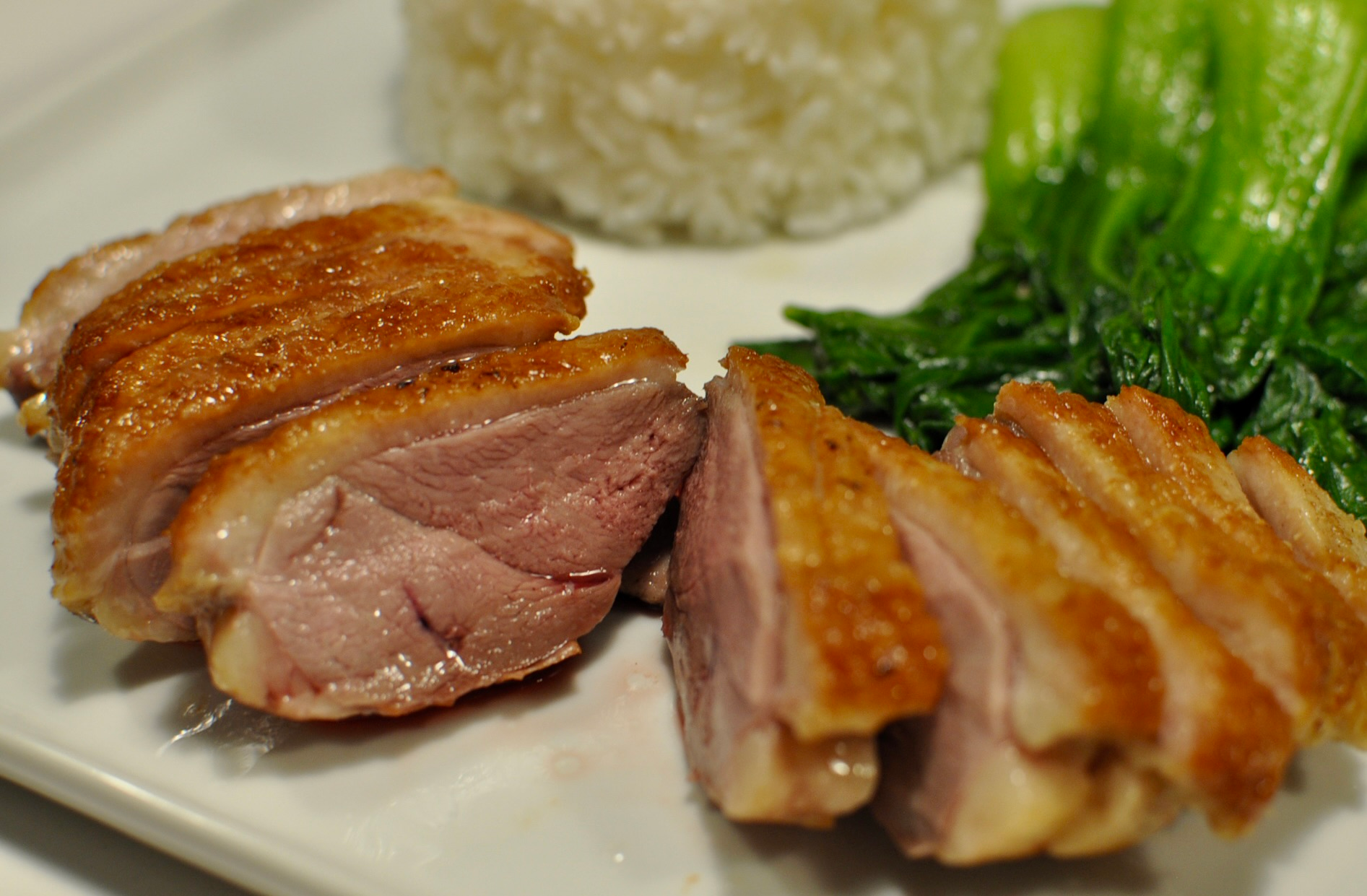 Pan-Seared Oven-Finished Duck Breasts
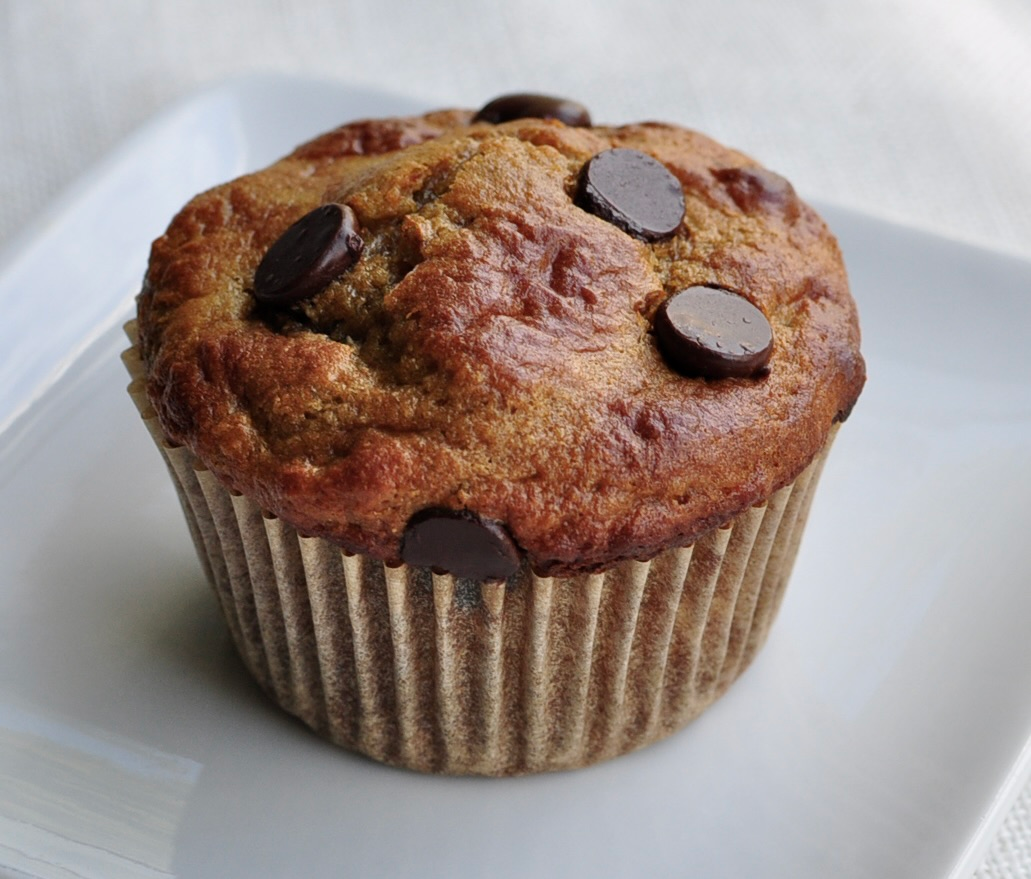 Banana Protein Muffins
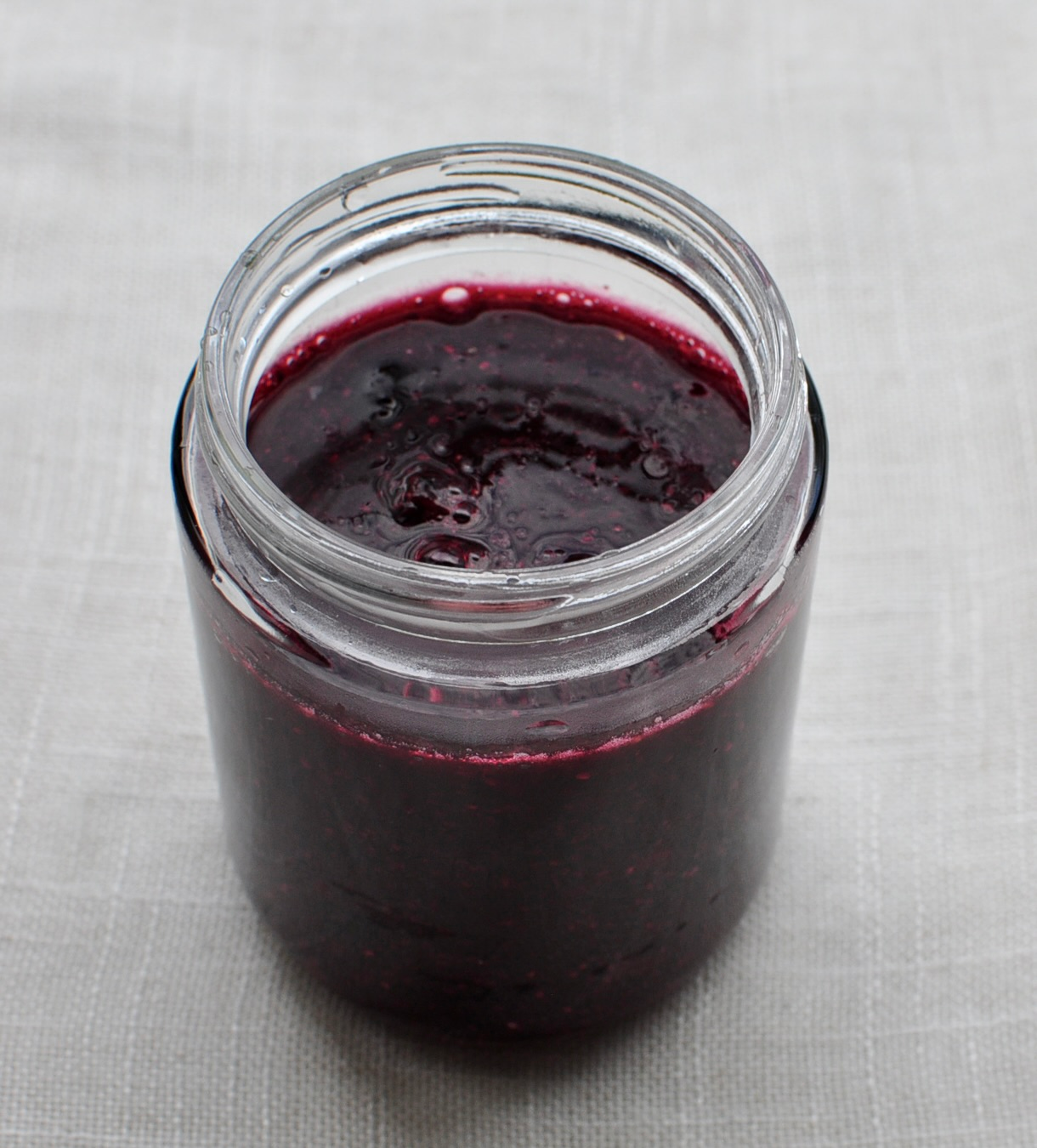 Blueberry Chia Seed Jam
 Chocolate Cupcakes
 Vanilla Cupcakes