

This post contains affiliate links. As an Amazon Associate, I earn from qualifying purchases.
Texas Style Smoked Brisket Recipe with Step by Step Instructions
This smoked brisket recipe gives you an amazing bark and deep, savory flavor by using a unique soy sauce and mustard binder. The saltiness of the soy sauce enhances the natural beefiness, while the mustard ensures your spice rub adheres perfectly for a consistent crust. Whether you are using a pellet grill, offset smoker or drum, this guide covers everything from trimming to the final rest.
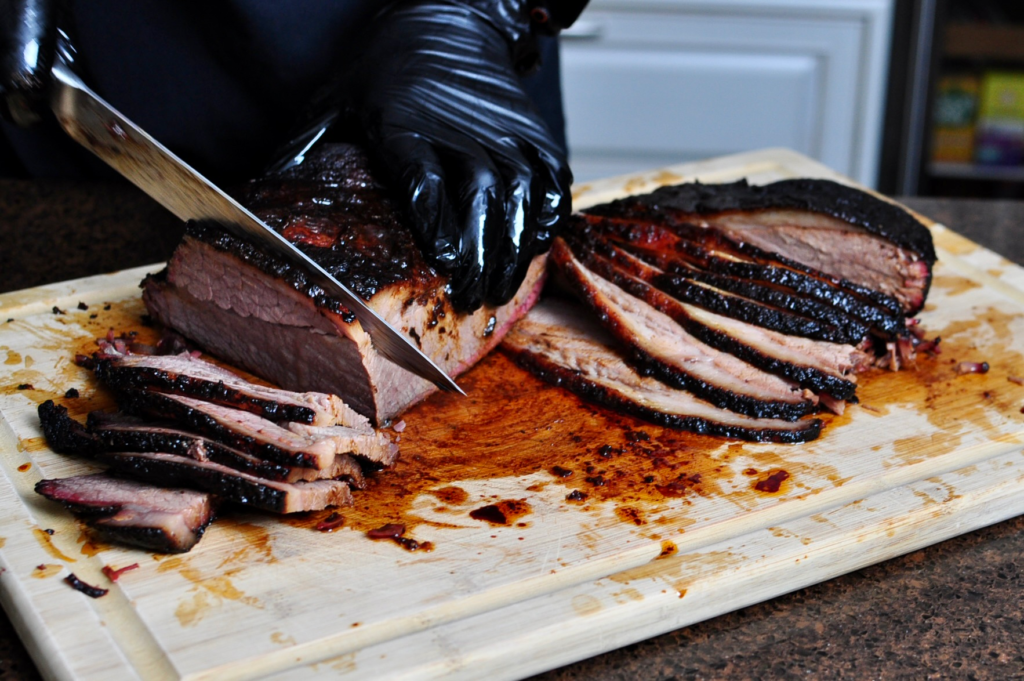
Low and slow is the way to go here. Smoking a brisket is often considered the ultimate test of a pitmaster’s patience and skill. Do it right and there will be a transformation that turns a tough, fibrous pectoral muscle into something incredibly tender and flavorful. This journey can take anywhere from 10 to 16+ hours, depending on the size of the cut and the consistency of the heat.
This Is Your New Go-To Smoked Brisket Recipe
We’re not reinventing barbecue here — we’re honoring it. This recipe starts with a proper trim and a seriously clever binder: a slathering of mustard and soy sauce that grips your spice rub like it means business. No rub sliding off mid-smoke. No flavor left on the counter. Just bold, even coverage from edge to edge.
The Spice Rub That Does All the Heavy Lifting
The rub is where the magic really gets going. A blend of sweet paprika, chili powder, minced onion, granulated sugar, onion powder, dried parsley, and kosher salt — it’s bold, slightly sweet, a little smoky, and perfectly balanced. The sugar helps build that gorgeous dark bark on the outside while the spices go deep into the meat overnight. Yes, overnight. The fridge rest is non-negotiable and absolutely worth your patience.
The Butcher Paper Wrap — Game Changer
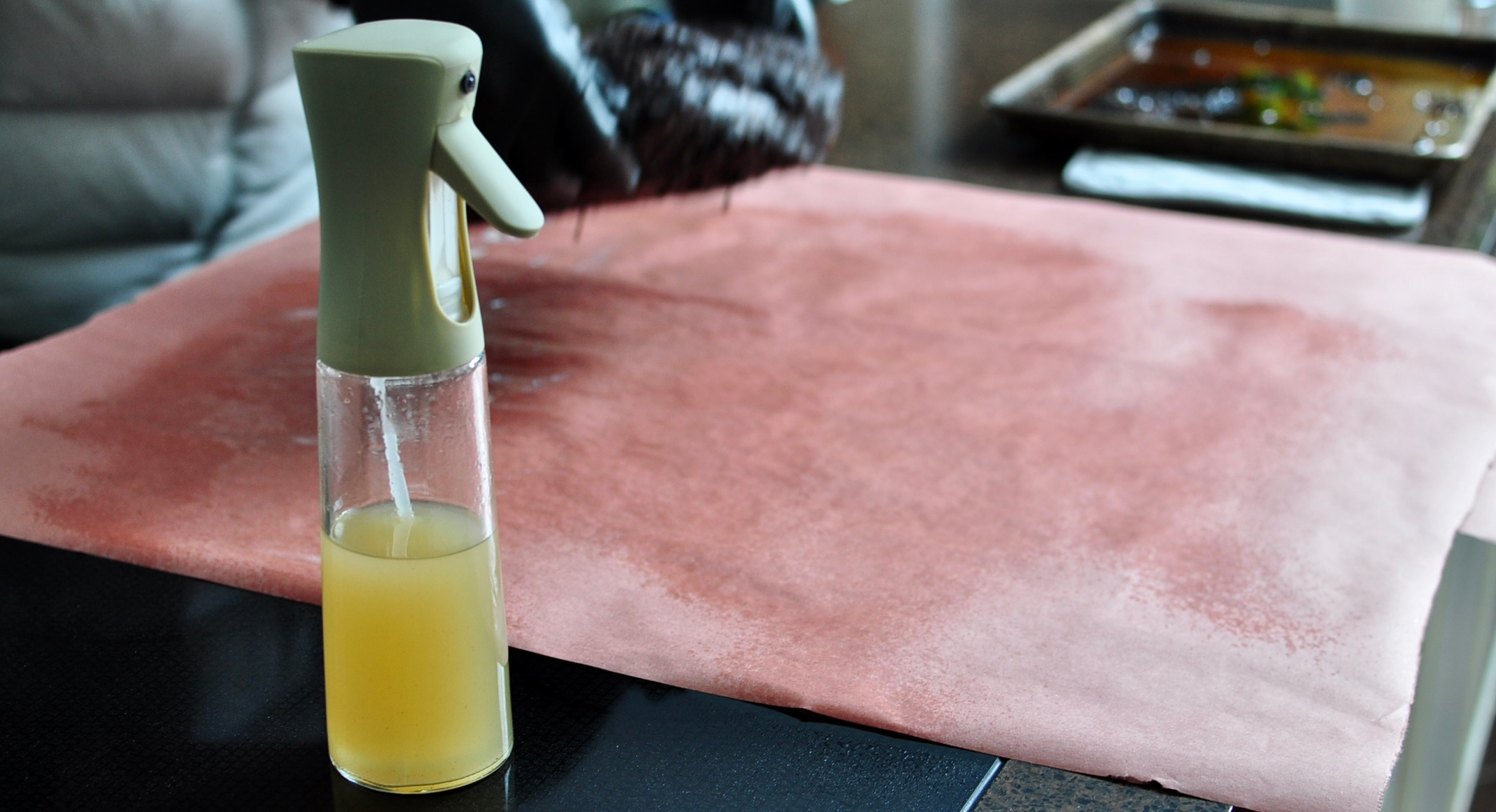
Here’s a pro move that separates good brisket from legendary brisket: the butcher paper wrap. Spritz your unwaxed butcher paper with warm beef broth to soften it, then wrap the brisket snugly. Back on the smoker it goes for another 2 to 3 hours until it hits 203°F — the sweet spot where collagen fully breaks down into silky, melt-in-your-mouth gelatin. Foil works in a pinch, but paper lets the bark breathe. Trust the paper.
The Rest Is Non-Negotiable (We Mean That Literally)
Pull the brisket at 203°F and resist every single temptation to slice into it immediately. Let it rest in its butcher paper for 1 to 2 hours. During this time, the juices redistribute through the meat, the fibers relax, and your brisket goes from great to absurdly great. Use this time wisely — make a side dish, set the table, or simply stare at it in reverent anticipation.
What you should expect to see and taste
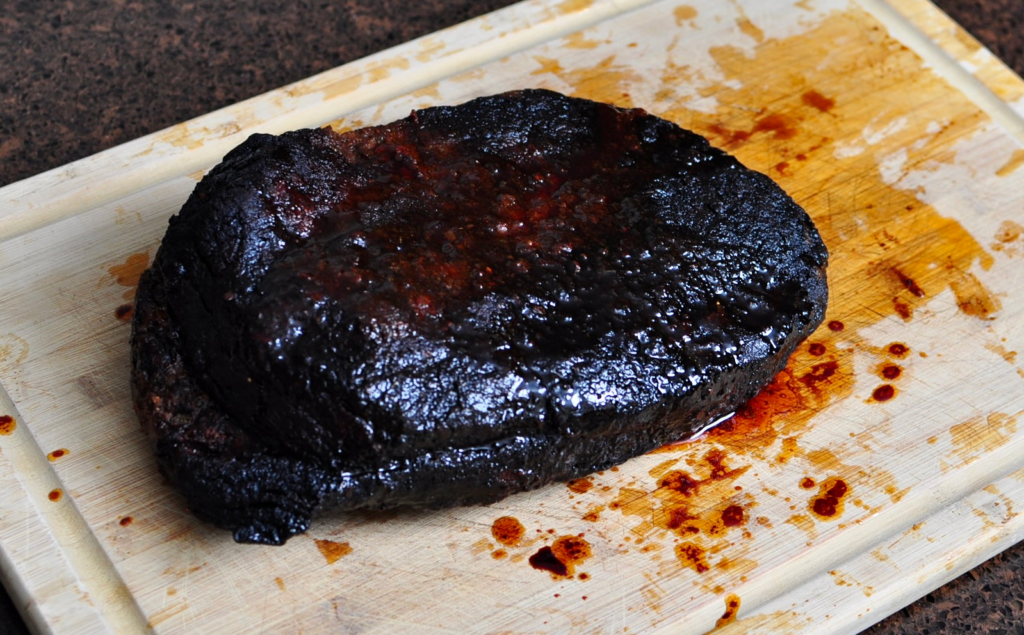
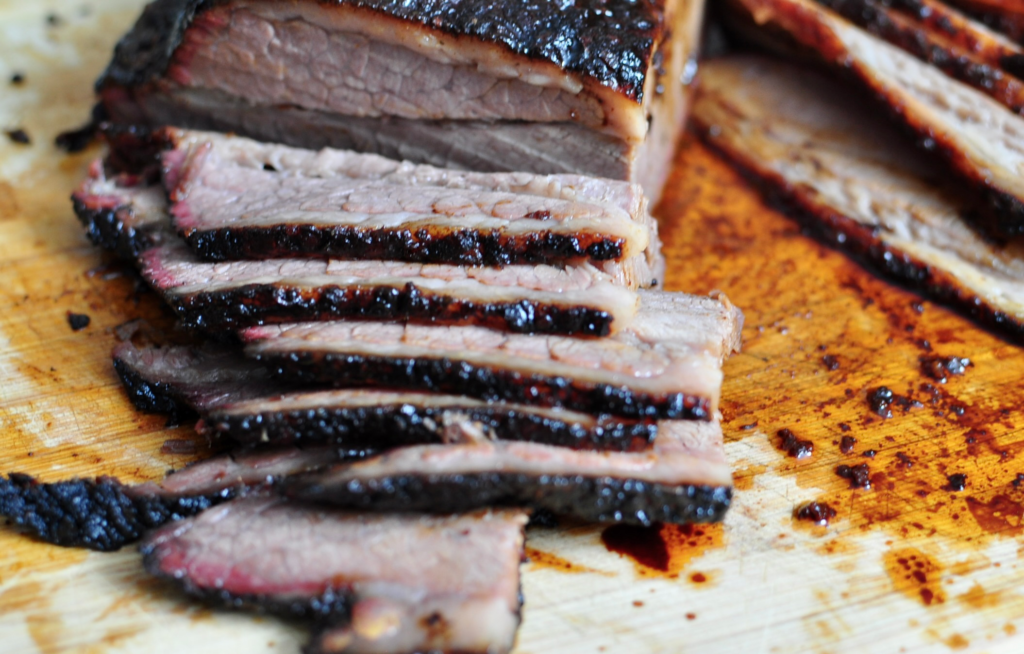
The Bark: The exterior should be a dark, nearly black bark that is crunchy and salty. It will be a structoral contrast to the soft inside.
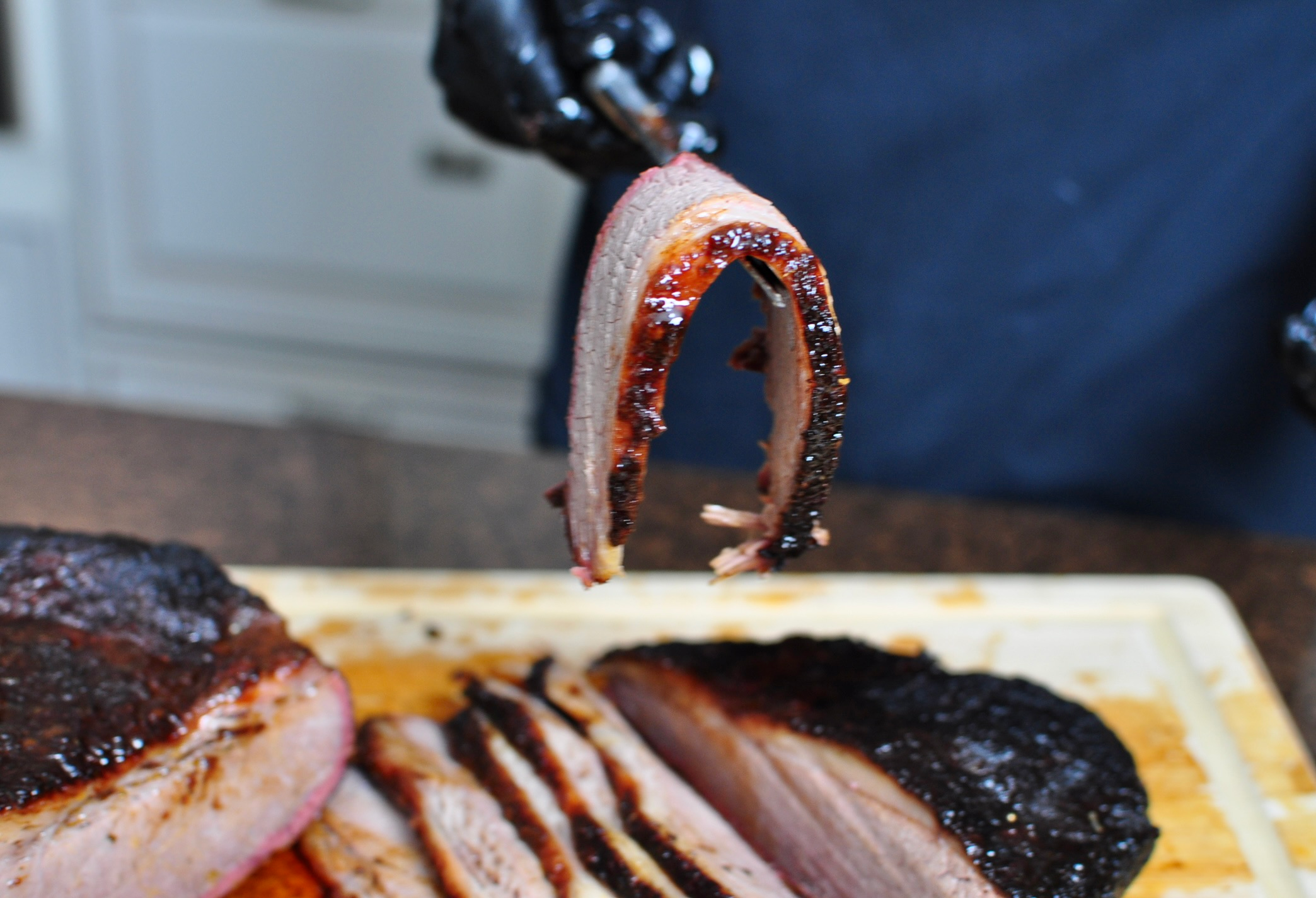
The Smoke Ring: Just beneath the bark, you will see a distinct pink-ish red ring. It is the hallmark of a clean, wood-fired burn.
The Taste: The flavor is deeply beefy and savory, infused with a clean, campfire smokiness that complements rather than overpowers the meat.
The Texture: The leaner portion should be moist enough to bend over without breaking, but tender enough to pull apart with zero resistance.
The Point: The fattier portion should be decadent and melty with the fat fully rendered into a silky, rich finish.
Try our other meaty recipes…

Braised Short Ribs Fusion Style
Think Korean BBQ meets Sunday pot roast — and they decided to have the most delicious baby imaginable. These Braised English Cut Short Ribs in Kalbi Marinade are marinated overnight in a blended sauce of fresh pear, ginger, garlic, soy sauce, and sesame oil, then broiled to a gorgeous sear and slow-braised in the oven until they’re impossibly tender. Served over fluffy rice with fresh bok choy.

Steak
Think you know steak? Think again. This grilled steak recipe uses a surprising but genius trick — a splash of low-sodium soy sauce — to create insane umami depth and a butter-tender bite. You won’t taste soy sauce. You’ll just taste the best steak you’ve ever had. Finished on a hot BBQ grill for those gorgeous sear marks and smoky flavor, this one’s about to become your forever go-to.
Visual Step-by-Step Guide for Smoking a Beef Brisket:






Smoked Brisket Recipe with My Secret Binder
Experience the perfect balance of smoke and umami with this tender, melt-in-your-mouth smoked brisket. By swapping traditional binders for a soy sauce and yellow mustard blend, you create a deeper flavor profile that penetrates the meat while building a stunning, dark bark. The sugars and proteins in the soy sauce caramelize beautifully under low and slow heat. The mustard acts as the perfect glue for my spice rub. Spraying butcher paper with beef broth softens the paper for a snug wrap which helps bypass the stall without losing that signature crunch.
- Prep Time: 30 minutes
- Cook Time: 9 to 12 hours
- Total Time: ~15 hours (includes 1.5 hours resting time)
- Yield: 16 servings 1x
- Category: Dinner, Lunch
- Method: Smoking
- Cuisine: American
- Diet: Low-Carb
Ingredients
- 8 to 10 pound whole brisket, trimmed
- 1/4 cup mustard
- 1 tablespoon low-sodium soy sauce
- 1/2 cup BBQ Spice Rub
- 2 tablespoons kosher salt
- 1/4 cup beef broth
Instructions
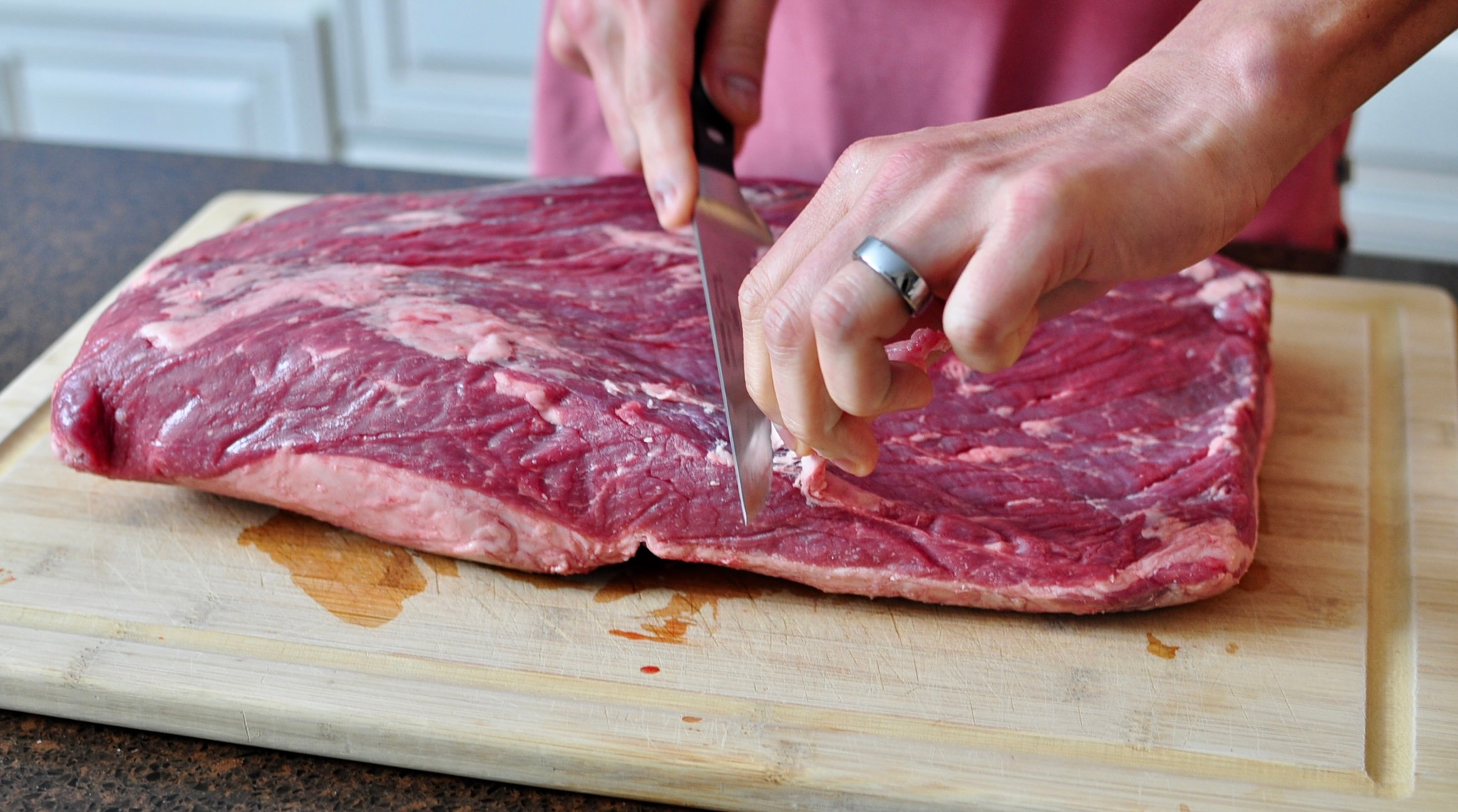
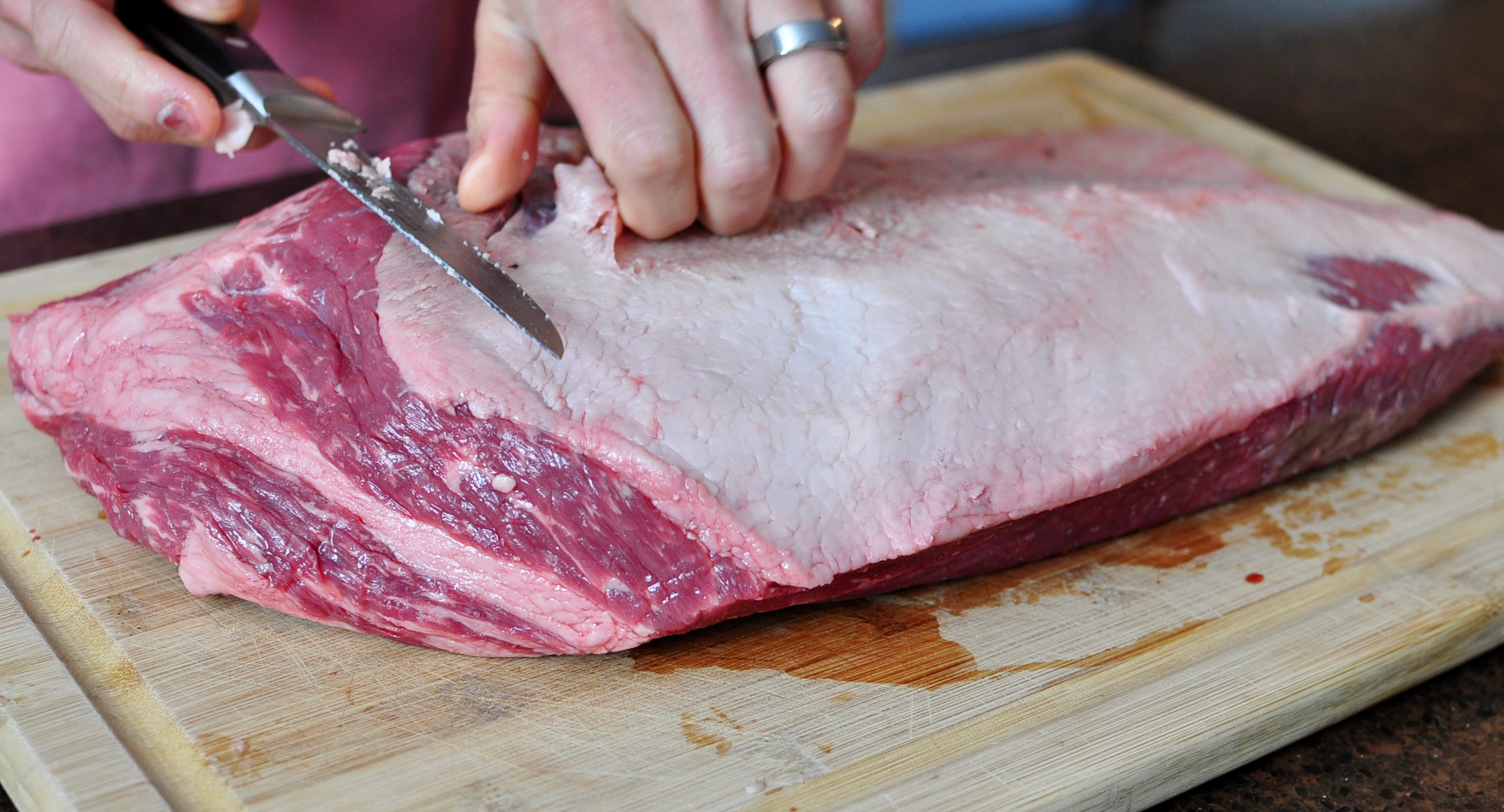
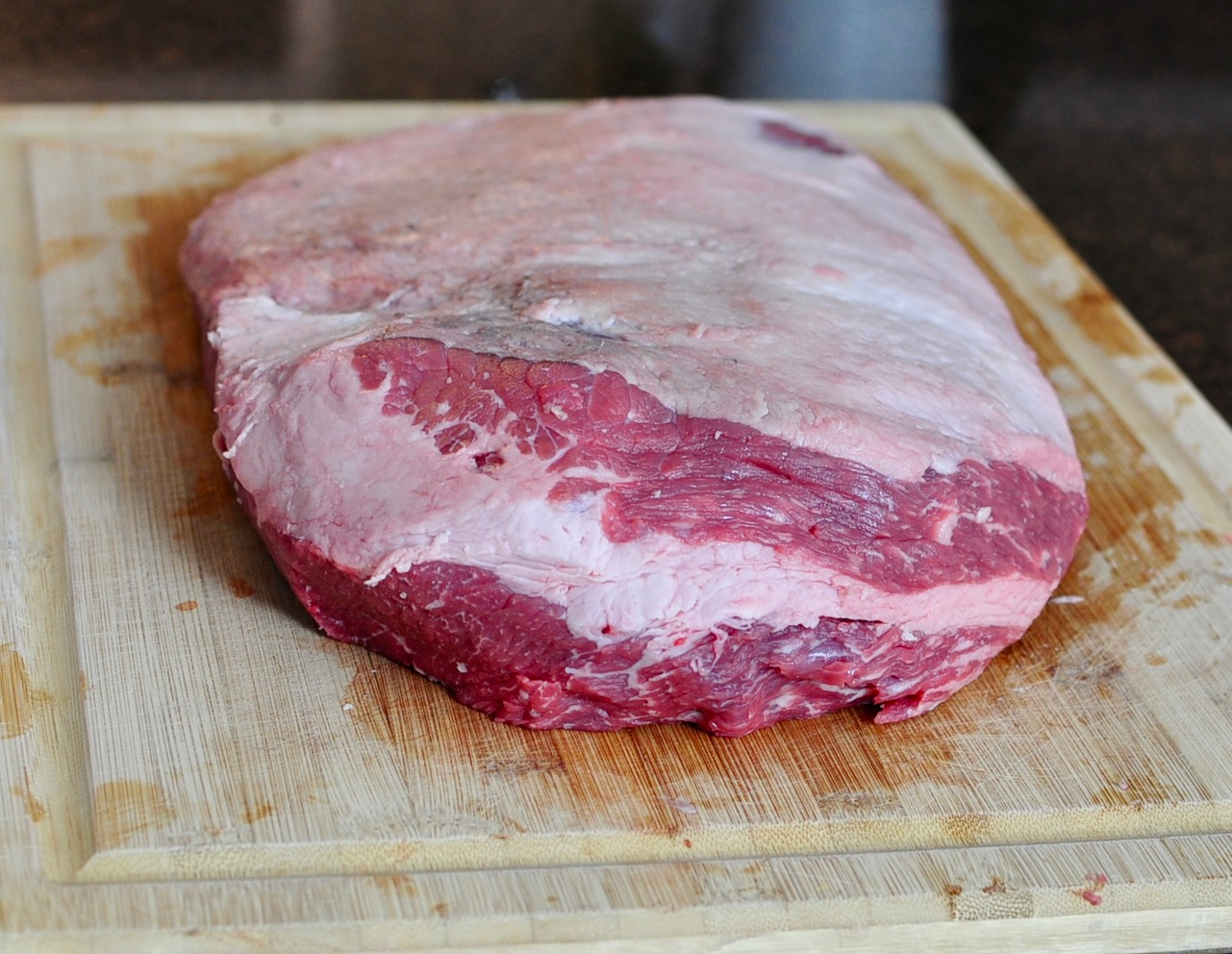
- Trim hard and excess fat off the brisket. Leave about 1/4 inch of the fat on the fat side of the brisket. Make it as uniform and aerodynamic as possible.
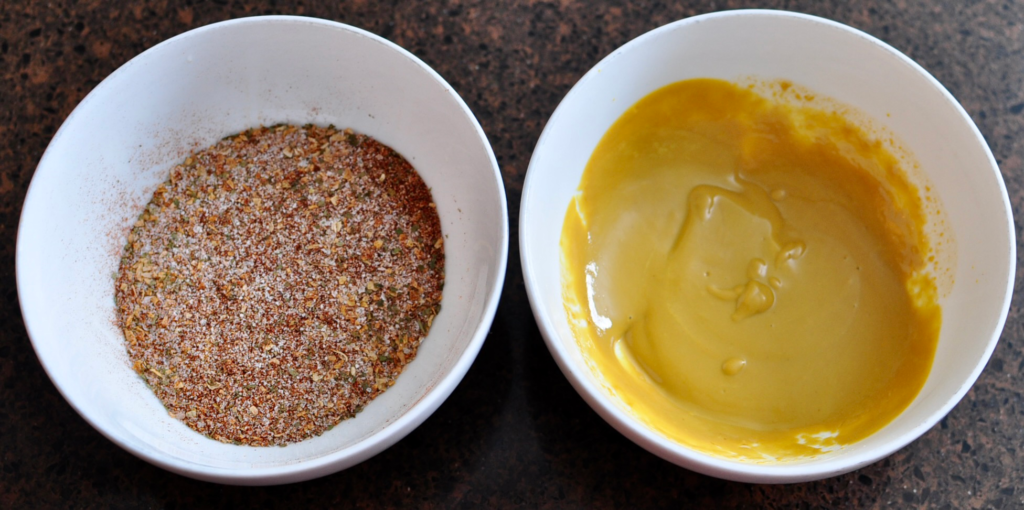
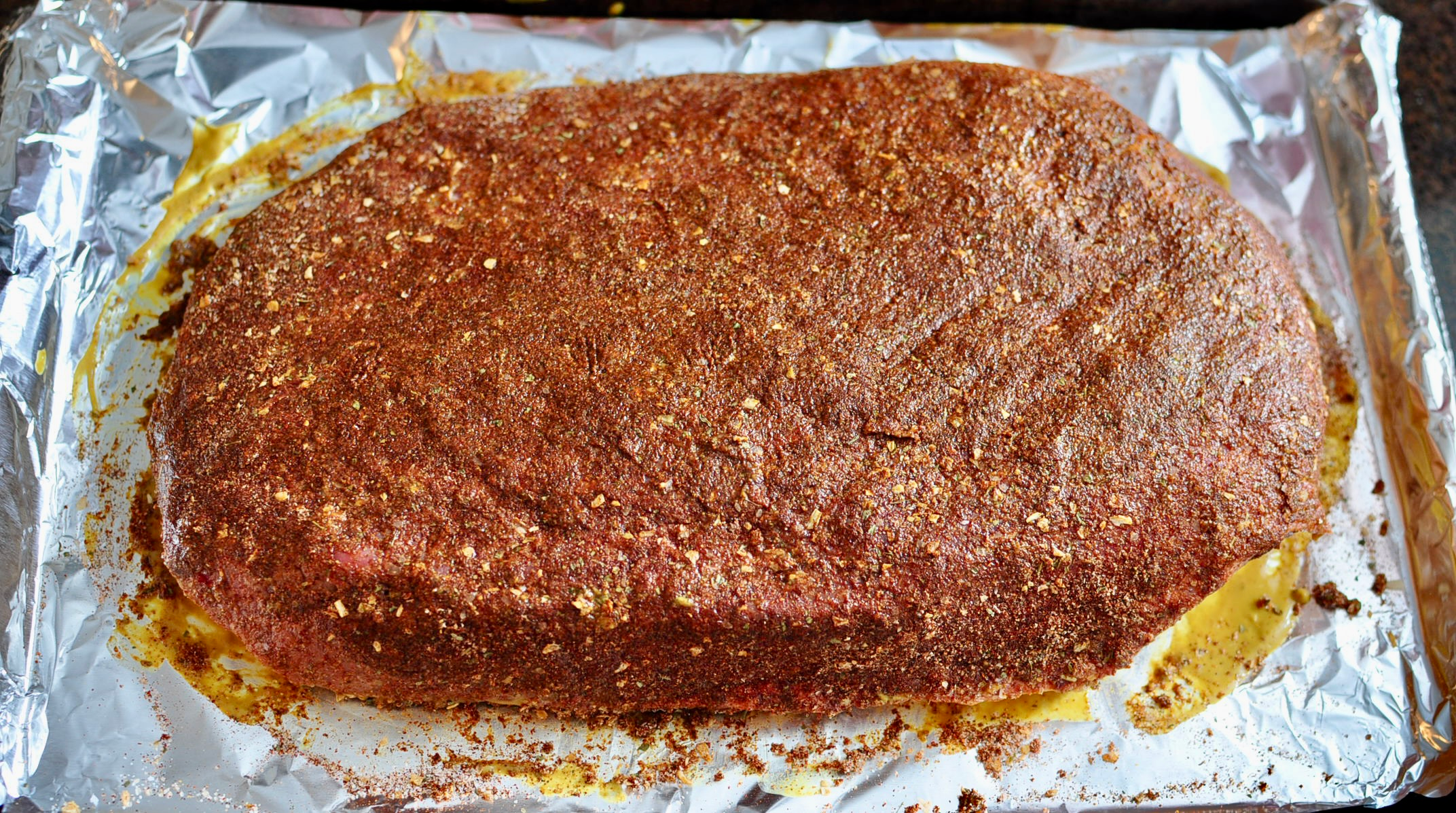
- In a small bowl, combine mustard and soy sauce. Whisk well to combine and spread the mixture evenly on all sides of the brisket. This will act as a binder for the spice rub.
- Combine the spice rub with 2 tablespoons of kosher salt. Season the brisket on all sides with the rub. Press the spice rub into the meat. If time allows, place the seasoned brisket in your fridge overnight. Or at least 1 hour.
- Preheat smoker to 225°F with the lid closed for 15 minutes. Use Super Smoke mode if that is available on your smoker.
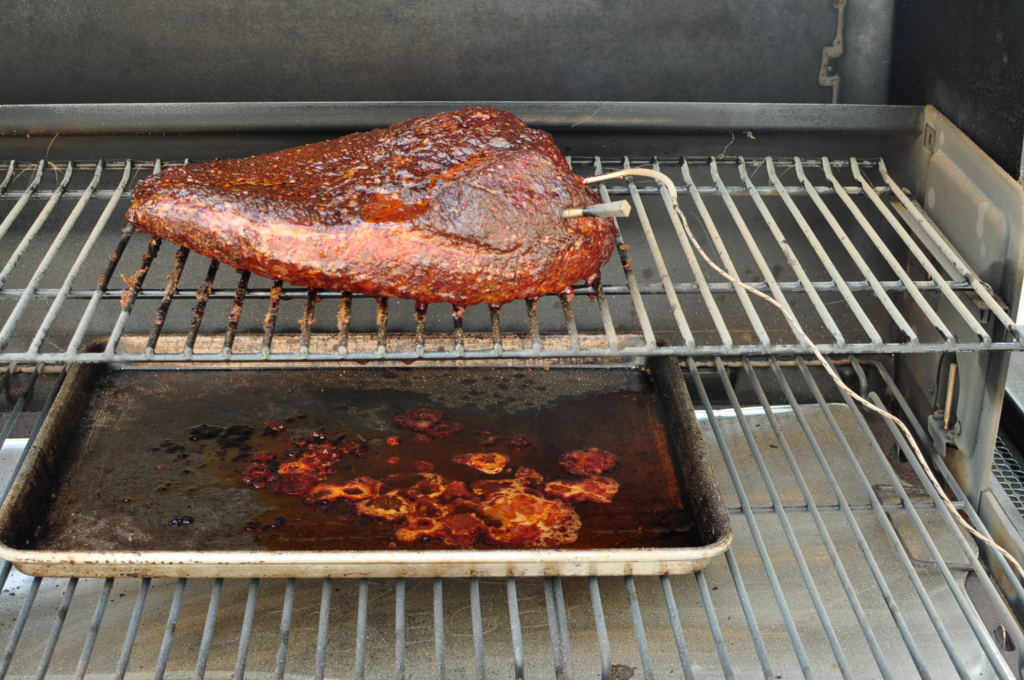
- Place the brisket, fat side up on the grill grate. If there is a pointier end of your brisket, have that point toward the smoke box. The idea is to allow the smoke to hug and flow evenly over your brisket aerodynamically. Squared edges will push the smoke up and away from the brisket. Insert a thermometer into the center of the brisket. Smoke the brisket for 2 hours and then increase the temperature to 250°F. Leave the brisket untouched to allow the bark to develop until it reaches 175°F. This will take 5 to 7 hours.
- When your brisket reaches 175°F, prepare a large sheet of non-waxed butcher paper. Spritz the inside of the paper with warm beef broth to soften the paper before laying the brisket on top of it to wrap.
- Increase smoker temp to 275°F. This will help render the remaining fat. Place the wrapped brisket back to the smoker. Insert thermometer and cook until the temperature reaches 203°F. This will take approximately 2 to 3 more hours. Remove the brisket and let it rest in the paper for 1 to 2 hours.
Notes
For reference, I will list the time and temperature of our brisket at every step.
I’m starting off with a 9 pound brisket. I completed steps 1 to 3 the night prior to smoking.
9am – Removed the brisket from the fridge to let it acclimate to room temperature.
10am – Started the smoker to 225°F on super smoke mode. Added apple blend pellets to our smoker.
10:15am – Put our brisket in the smoker. The internal temperature of our brisket was 51°F.
12:15pm – Increased the temperature of our smoker to 250°F. The internal temperature of our brisket was 118°F.
1:00pm – Internal temperature of our brisket was 136°F.
5:45pm – Brisket reached 175°F. Wrapped our brisket in paper.
5:50pm – Returned wrapped brisket to smoker. Increased smoker temperature to 275°F.
7:30pm – Brisket reached 203°F. Removed brisket from the smoker and let it rest, still wrapped in paper on the counter for 1 hour.
8:30pm – We couldn’t wait another hour. Let’s eat!
Nutrition
- Serving Size: 5 ounces cooked
- Calories: 485 kcal
- Sugar: 2.2 g
- Sodium: 980 mg
- Fat: 34 g
- Saturated Fat: 14.5 g
- Unsaturated Fat: 16.5 g
- Trans Fat: 0 g
- Carbohydrates: 3.5 g
- Fiber: 0.8 g
- Protein: 39.2 g
- Cholesterol: 110 mg
❓ FAQ’s for Texas Style Smoked Brisket
A whole “packer” brisket—which includes both the flat and the point—is the gold standard. The point’s extra fat keeps things juicy, while the flat gives you those classic clean slices.
Post oak is the king of Texas BBQ — it gives a medium, clean smoke that lets the beef flavor shine. Hickory and pecan are solid runners-up if oak isn’t available.
Brilliant question! The soy sauce adds a subtle umami depth and a touch of saltiness that enhances the rub and helps develop that gorgeous dark bark. It’s a small addition with a big payoff.
You don’t have to, but you really, really should. An overnight rest in the fridge allows the rub to penetrate deeper into the meat and the surface to dry slightly, which helps bark formation. Even 4 hours makes a noticeable difference.
Foil traps all moisture and can steam the brisket, softening the bark you worked so hard to build. Butcher paper lets some moisture escape while still keeping the brisket moist — best of both worlds. Make sure it’s unwaxed butcher paper!
Get one. Seriously — a good instant-read or probe thermometer is the single best investment you can make for smoked meats. Cooking by time alone is a gamble; cooking by temperature is a guarantee.
Always slice against the grain for maximum tenderness. Since the grain direction changes between the flat and the point, rotate the brisket as needed for the perfect bite.
Slice what you’ll eat, wrap the rest tightly and refrigerate for up to 4 days. To reheat, place slices in a pan with a splash of beef broth, cover with foil, and warm low and slow in the oven at 300°F. It comes back beautifully.
Yes! Set up your grill for indirect heat and add wood chips or chunks in a smoker box or foil packet. It takes more attention than a dedicated smoker, but it’s very doable.
SHOP FOR THIS RECIPE


 Strawberry Mochi Squares
 Easy Blanched Shanghai Bok Choy
 Strawberry Chia Seed Jam
 Matcha Mochi Squares
 Pan-Seared Oven-Finished Duck Breasts
 Counter Culture: What to Keep Out of Your Fridge
 Banana Protein Muffins
 Blueberry Chia Seed Jam
 Chocolate Cupcakes
 Vanilla Cupcakes