

This post contains affiliate links. As an Amazon Associate, I earn from qualifying purchases.
Cantonese Chinese Ginger Scallion Sauce

Meet the Sauce You’ve Been Begging For at Chinese Restaurants
You know the one. You walk into a Cantonese BBQ restaurant, you see those gorgeous lacquered ducks and roasted meats hanging in the front window, and you order the chicken. Then — almost as an afterthought — they hand you this tiny, humble plastic container. Inside is a brilliant green, glistening, impossibly fragrant sauce that immediately becomes the most important thing on the table.
That’s Ginger Scallion Sauce (薑蔥醬), and you’ve been asking for extra ever since the first time you tried it.
Ginger scallion sauce is a savory, oil-based condiment — a classic and popular Cantonese Chinese staple for white cut chicken, char siu, roast duck, and roast chicken.
It’s found mostly at siu mei shops (燒味鋪) — those beloved Cantonese BBQ spots — where an order of white cut chicken or soy sauce chicken comes with a side of this aromatic, intensely infused sauce.
What Is “Bao Herng” and Why Should You Care?
Here’s where the magic happens. There’s a Cantonese cooking concept called “bao herng” — it roughly translates to using the force of hot oil to create a flavor explosion in aromatic ingredients like ginger. The hot oil method involves heating up your oil and drizzling it over the aromatics to gently cook them — and it makes all the difference. The oil brings out the flavor of the ginger and scallion, making the sauce noticeably more fragrant.
Something almost alchemical happens when that sizzling oil hits the minced ginger. You’ll hear that satisfying sizzle as the hot oil releases all those aromatics. It’s one of those kitchen moments that makes you feel like an absolute pro. Your family will come running. Guaranteed.
Why Grapeseed Oil Is the Smart Choice Here
Not all oils are created equal for this sauce. When making ginger scallion sauce, you want a neutral oil with a high smoke point. The neutral oil won’t overpower the delicate flavors of ginger and scallions, and a high smoke point ensures it can withstand the high heat without burning or producing a strong taste. Grapeseed oil checks all those boxes — and it’s one of the healthier neutral oil options available, making it the top pick here at ModeratePosh.
The Spoon Trick That Makes This Recipe Easy
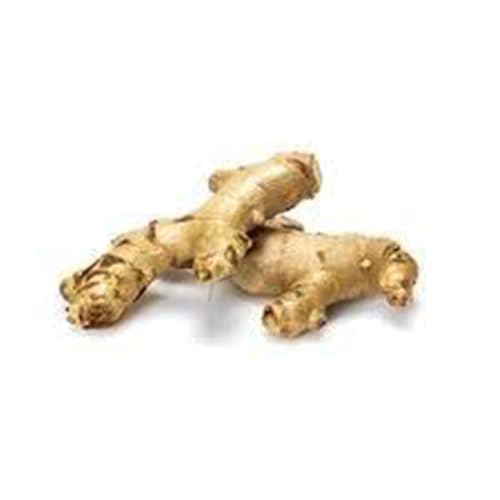
Skip the vegetable peeler for the ginger (and save your fingernails—I’ve lost a few to peelers, and I’d like to keep the rest). Drag the edge of a spoon along the ginger and the skin slips right off, even around those tricky knobby bits. Effective, safe, and weirdly fun.
This is the one step people miss: keep your minced ginger and chopped scallions separate. The ginger goes into the hot oil first and gets a few extra seconds to bao herng, then the scallions join the party. Add them at the same time and the delicate scallions overcook before the ginger has a chance to bloom.
What to Put This Sauce On (The Real Answer Is: Everything)
Ginger scallion sauce is super versatile — serve it as a dipping sauce with Hainanese chicken rice, roast chicken, or roast duck; use it as a stir fry sauce to quickly cook stir-fried vegetables like bok choy; or use it as a finishing oil over noodle soup, cold noodles, or steamed vegetables.
At ModeratePosh, our absolute favorite use? Poached chicken over brown rice, absolutely drowned in this sauce — it’s the easiest, healthiest weeknight dinner that my boys request on repeat. And bok choy? A quick 1½-minute poach in salted water, then a generous spoonful of ginger scallion sauce over the top. Bright, savory, and done in a few minutes.
It’s not spicy, which makes it super kid-friendly and a staple in many households.
And yes, it absolutely beats chili crisp. We said what we said.
Make a Jar. You’ll Thank Yourself Later.
Let the sauce cool, then transfer it to an airtight glass container and store in the fridge for up to 1 month — though the flavor is best in the first 2 weeks. To make it last longer, make sure the ginger and scallions are fully submerged under the oil.
One batch. Done. A week of incredible meals.
Try our other recipes…

Spicy Cucumber Salad
Spicy, tangy, crunchy and so easy to make. This cucumber salad is also known as Chinese cucumber salad and smashed cucumber salad.

Shrimp and Vegetable Lo Mein
Craving takeout but want something that tastes infinitely fresher? This Easy Shrimp Lo Mein features perfectly snappy shrimp, crispy veggies, and a savory, umami-packed brown sauce. With a few brilliant time-saving tricks, this satisfying noodle stir-fry comes together in a flash and is totally customizable.
Visual Step-by-Step Guide to Making Cantonese Ginger Scallion Sauce:

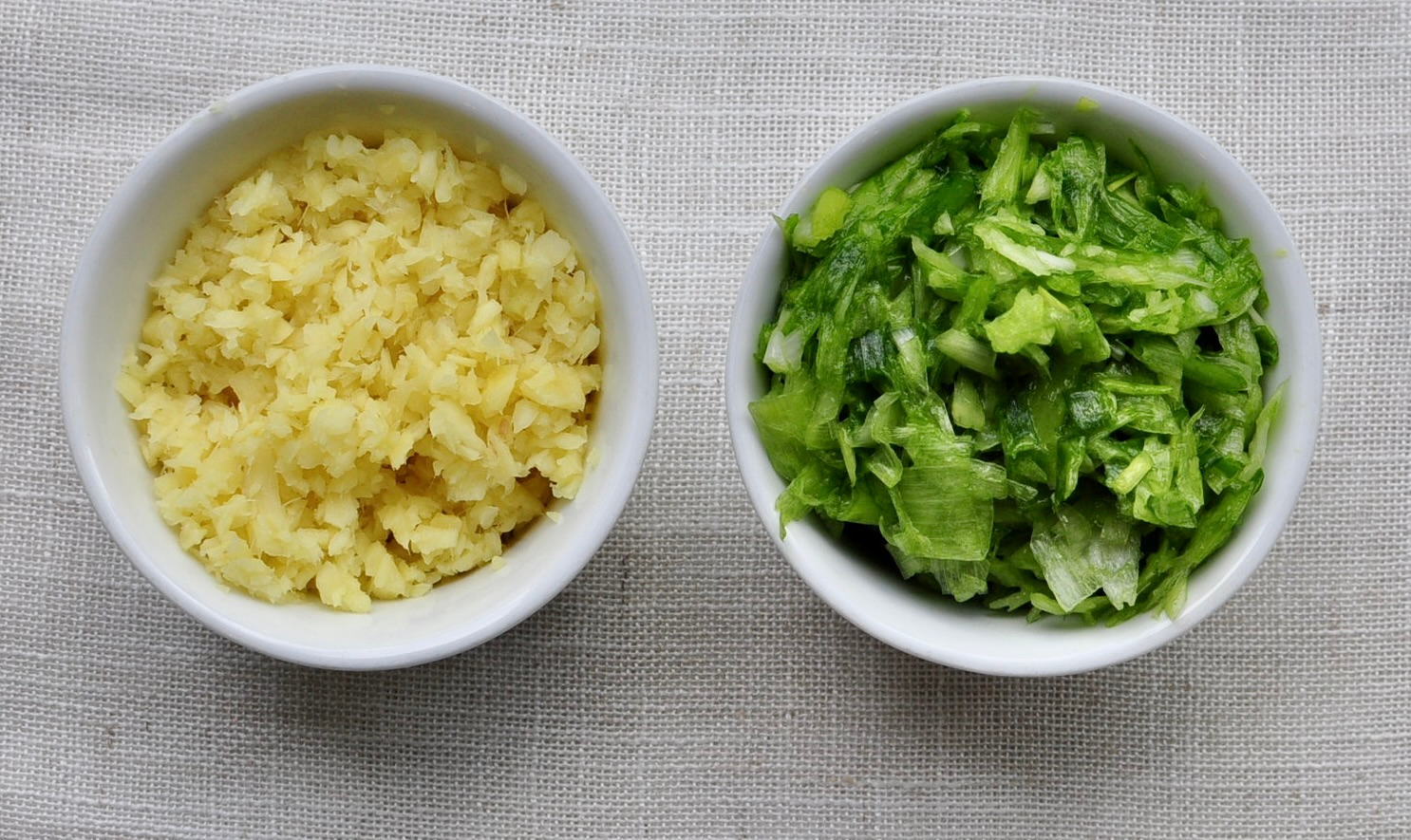


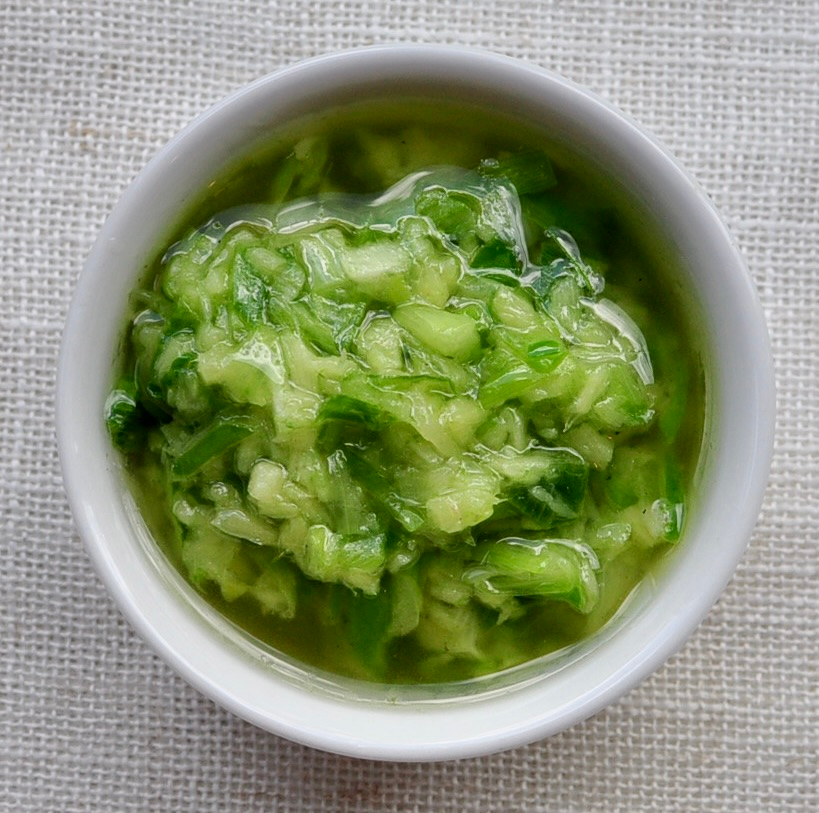
What’s in the ginger scallion sauce
- ginger
- scallions
- grape seed oil
- sesame oil
- salt

Scallion Ginger Sauce

A classic Cantonese ginger scallion sauce made with fresh minced ginger, scallions, salt, and sesame oil awakened by sizzling hot grapeseed oil. It is the magical condiment you always want more of at Chinese BBQ joints. A bright, brilliant, savory flavor bomb, and ridiculously versatile—spoon it over chicken, noodles, tofu, seafood, and more.
- Prep Time: 15 minutes
- Cook Time: 5 minutes
- Total Time: 20 minutes
- Yield: 2 1/2 cups 1x
- Category: Dressing/Dip/Condiment
- Method: Infusing
- Cuisine: Chinese
- Diet: Gluten-Free, Keto, Low-Carb, Vegan, Vegetarian
Ingredients
- 130 to 150 grams of ginger, peeled and minced fine
- 5 to 7 scallions (150 to 200 grams) scallions, chopped fine
- 3/4 cup grape seed oil (or other neutral, high heat oil)
- 1 1/2 teaspoons salt
- 1 teaspoon sesame oil
Instructions
- In a wok or medium sized saucepan, on medium heat, heat the oil to 360°F to 400°F.
- Have a container ready to pour the completed ginger scallion sauce into when done. This recipe makes about 2 1/2 cups.
- Keeping the heat on medium, add the ginger into the oil first. Let that sizzle for 15 seconds and then add the scallions. Turn the heat off and add the salt and sesame oil. Give it a quick mix and pour the sauce into a container.
- Spoon over anything and everything. Sauce keeps well in the fridge for up to 1 week. This sauce is excellent cold or room temperature.
Nutrition
- Serving Size: 1 tablespoon
- Calories: 41 kcal
- Sugar: 0.2 g
- Sodium: 88 mg
- Fat: 4.3 g
- Saturated Fat: 0.5 g
- Unsaturated Fat: 3.8 g
- Trans Fat: 0 g
- Carbohydrates: 0.9 g
- Fiber: 0.2 g
- Protein: 0.1 g
- Cholesterol: 0 mg
❓ FAQ’s for Chinese Ginger Scallion Sauce
In Chinese, ginger scallion sauce is called gēung yùng or jīang rōng (薑蓉), which means “grind ginger.”
It’s also sometimes written as 薑蔥醬. Whatever you call it, it’s delicious.
Use a neutral oil with a high smoke point — grapeseed oil is our top pick here. It’s healthier than many alternatives and lets the ginger and scallion flavors shine without competition. Heat it to around 360°F–400°F for best results.
Ginger needs a few extra seconds in the hot oil to fully “bao herng” — to bloom and release its flavor. Adding the scallions immediately after gives them just enough heat to soften and brighten without overcooking. Keeping them separate in the food processor also gives you more control over the texture of each.
Absolutely — and you should!
Store the sauce in a sealed glass jar in the fridge to keep it fresh and flavorful. It lasts up to 1 month in the refrigerator if stored properly, but tastes freshest within the first 2 weeks.
Yes! This is a naturally vegan and gluten-free recipe.
Just keep an eye on your sesame oil label to be sure, and you’re good.
You can adjust the spiciness of the sauce by simply reducing or increasing the amount of ginger.
Less ginger = mellower, more = bolder and more pungent. Start with less if you’re new to the sauce and work your way up!
Ginger scallion sauce is traditionally served with the famous Cantonese dish white cut chicken, and most siu mei stores will give it to you when you buy siu mei like white cut chicken, Chinese BBQ pork (char siu), roast duck, or roast chicken. But honestly? It’s good on everything. Noodles, tofu, bok choy, dumplings, seafood — go wild.
The cold oil method simply means mixing all five ingredients together — that’s it! The hot oil method adds one more step: heating the oil and drizzling it over the aromatics to gently cook them.
The hot oil (bao herng) method is the one we use here because the flavor payoff is simply in a different league.
Bright, savory, and deeply aromatic. The raw bite of ginger and scallion mellows into something rich and fragrant the moment the hot oil hits it. It’s fresh and punchy without being spicy.
It’s a Cantonese term for using hot oil to “explode” the aroma out of aromatics like ginger—a flavor blast that transforms the sauce. It’s the whole secret behind why this tastes so good.
Use a spoon. Scrape the edge along the ginger and the thin skin peels right off, even around the knobby parts. Bonus: your fingernails stay intact.
SHOP FOR THIS RECIPE


 Strawberry Mochi Squares
 Easy Blanched Shanghai Bok Choy
 Strawberry Chia Seed Jam
 Matcha Mochi Squares
 Pan-Seared Oven-Finished Duck Breasts
 Counter Culture: What to Keep Out of Your Fridge
 Banana Protein Muffins
 Blueberry Chia Seed Jam
 Chocolate Cupcakes
 Vanilla Cupcakes