

In January 2026, the U.S. government (led by HHS Secretary Robert F. Kennedy Jr. and the USDA) officially released the 2025–2030 Dietary Guidelines, and with it, a visual that had some people nodding their heads in agreement: the Inverted Food Pyramid.
If the original 1992 pyramid was a recommendation to eat a base of bread and pasta, this new version literally flips that logic on its head. For many families, it represents a big shift in what we consider a balanced diet plan. For others, this shift started many years ago with diets such as the Atkins Diet, South Beach Diet, the Zone Diet, Paleo, Keto, and other low/ moderate carb + high protein diets.

The Flip
To understand the new pyramid, you have to remember what it’s replacing. The old models prioritized grains, bread, pasta and rice at the bottom. The 2026 Inverted Pyramid prioritizes nutrient dense proteins and fats.
| Feature | The Old 1992 Way | The New 2026 Way |
| Foundation | Grains, Bread, Pasta (6 to 11 servings) | High Quality Protein and Fats |
| Dairy | Low-fat or Fat-free | Full-fat Dairy (No added sugar) |
| Fats | Use Sparingly | Use for Satiety (Tallow, Butter, Olive Oil, Avocado Oil) |
| Carbs | The bulk of the diet | Whole Grains only at the narrow bottom |
| Top Priority | Minimizing Fat | Eliminating Ultra-Processed Foods (UPFs) |
Is it Time to Update Your Shopping Habits?
In short: Yes. The 2026 guidelines are a call to action to shop the perimeter of the grocery store.
• The War on Sugar: The most significant change is the aggressive stance against added sugars and seed oils. If a food comes in a box with a long list of chemical additives or added cane sugar, the new pyramid suggests it has no place in a daily diet.
• Protein First: The guidelines now recommend significantly more protein—suggesting 1.2 to 1.6 grams of protein per kilogram of body weight. For a 150lb person, that’s roughly 80–110g of protein a day.
• The Saturated Fat Shift: While the 10% limit on saturated fat technically remains, the guidelines now laud the benefits of red meat, eggs, and butter as essential sources of fat-soluble vitamins (A, D, E, K).
What Should Families with Children Do?
The most common question parents have is: “Is this safe for my kids?” Nutritionists focusing on the “Make America Healthy Again” (MAHA) philosophy argue that children, in particular, benefit from the nutrient density of the inverted pyramid.
1. Prioritize Brain Power
Children’s brains are roughly 60% fat. The move toward full-fat dairy (whole milk, real cheese) and omega-3 rich proteins (eggs, beef, fish) is designed to support cognitive development and stable energy levels.
2. The “Real Food” Rule
Instead of reaching for kid-friendly snacks like crackers, fruit snacks, or sugary cereals (which are now at the very bottom/point of the inverted pyramid), families are encouraged to swap in:
• Beef Sticks or Hard-boiled eggs (Protein)
• Full-fat Greek Yogurt with fresh berries (Fat + Fiber)
• Carrot sticks with Tallow-fried potatoes (Vegetables + Healthy Fats)
3. Watch the Refined Carbs
Refined white flours and sugars are linked to energy spikes and “crashes”. By narrowing the Grains section to only fiber-rich whole grains (like oats or quinoa) and placing them at the bottom, the goal is to use carbs as fuel for activity, not as the bulk of every meal.
The Bottom Line
The Inverted Pyramid isn’t just a graphic change; it’s a philosophical one. It suggests that quality matters more than quantity.
Don’t fear the fat, but fear the factory. The closer a food is to its natural state—whether it’s a steak, an avocado, or a bunch of kale—the higher up it sits on the new 2026 scale.
 Strawberry Mochi Squares
 Easy Blanched Shanghai Bok Choy
 Strawberry Chia Seed Jam
 Matcha Mochi Squares
 Pan-Seared Oven-Finished Duck Breasts
 Counter Culture: What to Keep Out of Your Fridge
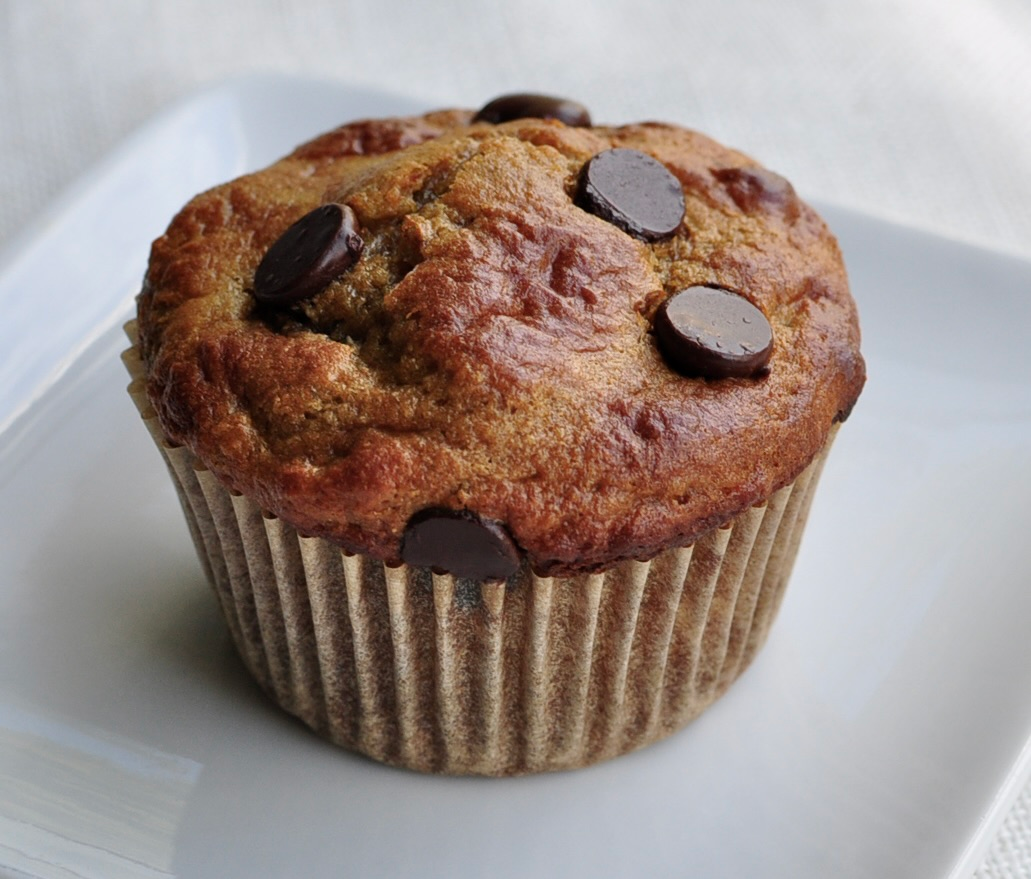 Banana Protein Muffins
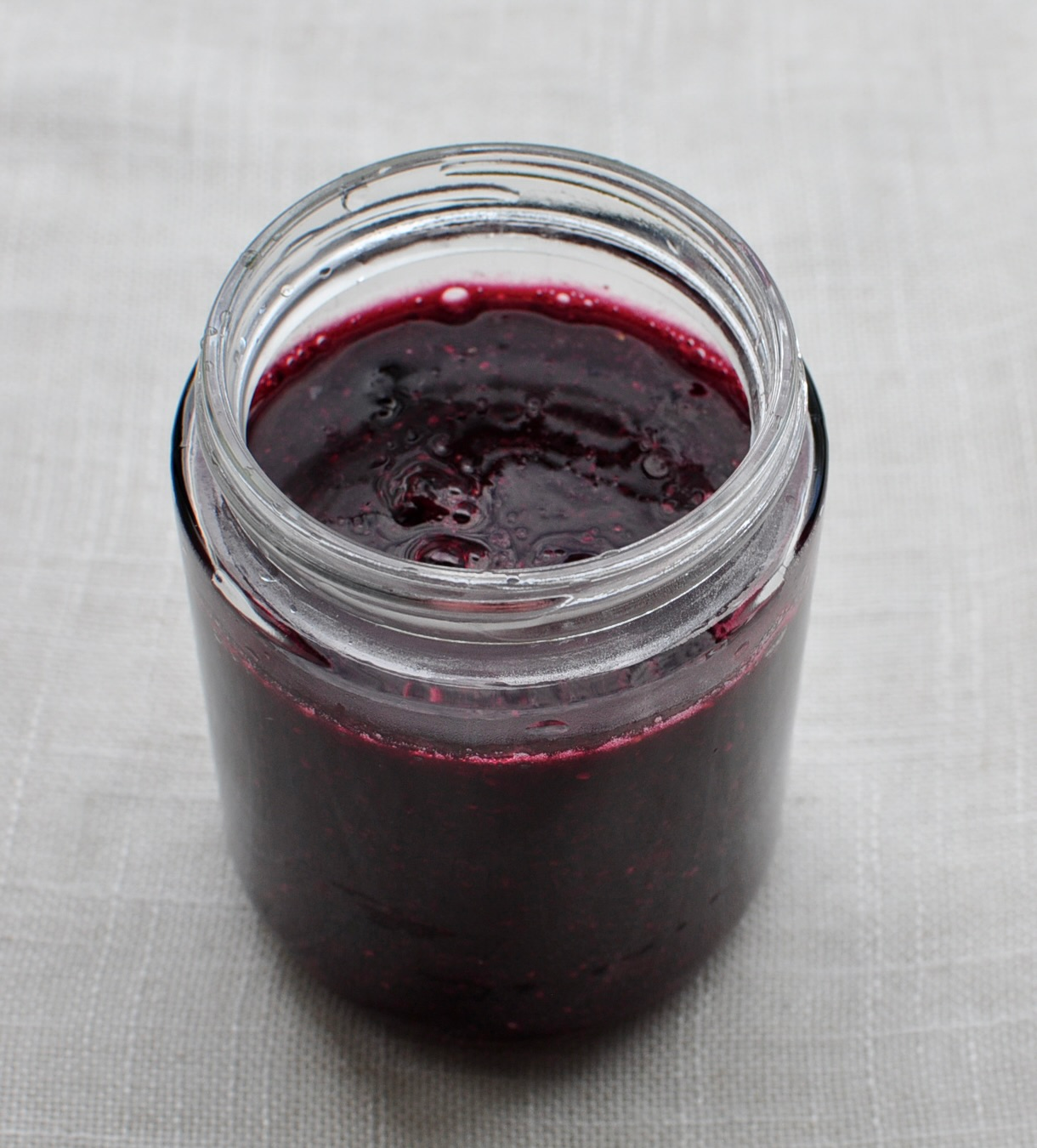 Blueberry Chia Seed Jam
 Chocolate Cupcakes
 Vanilla Cupcakes