
This post contains affiliate links. As an Amazon Associate, I earn from qualifying purchases.
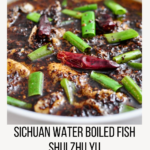
Sichuan Water Boiled Fish (Shui Zhu Yu)

Shui Zhu Yu, literally translates as Water Boiled Fish. I hereby declare this translation as the most underwhelming description ever given to a dish. It should be called Mala Spicy Mouth Numbing Best Fish in the World. I order this dish every time we go to Wang’s Chinese Cuisine in River Edge, NJ. I crave it. I might actually be addicted. It’s arguably the most popular dish to come from Sichuan, China. Layers of tender napa cabbage, crunchy celery, tender fish filets, spicy red chili peppers and Sichuan peppercorns are immersed in a spicy broth.
Is it Sichuan or Szechuan?
Sichuan and Szechuan refer to the same Chinese province (四川) and its cuisine, with the primary difference being the romanization system used. “Sichuan” is the modern, official Pinyin spelling, while “Szechuan” (or Szechwan) is an older spelling, often used in older restaurant names or Western culinary contexts.
Nonetheless, Shui Zhu Yu (水煮鱼), or Szechuan Water Boiled Fish, is a legendary masterpiece of Szechuan cuisine known for its dramatic presentation and complex flavor profile. Despite its literal translation, this dish is anything but plain “boiled” fish. It features tender, velveted white fish fillets poached in a savory, spicy broth and finished with a signature hot oil pour that sizzles over dried aromatics. If you are a fan of bold heat, numbing spices, and silky textures, this authentic Shui Zhu Yu recipe is the ultimate comfort food for spice lovers.
What Makes This Dish Special?
- The Mala Experience: This dish utilizes the classic Szechuan combination of má (numbing) and là (spicy), thanks to Szechuan peppercorns and dried red chilies.
- Velveting Technique: The fish is marinated in a mixture of egg white and cornstarch before poaching, ensuring the protein remains incredibly soft and succulent.
- The Sizzling Finish: The hallmark of this recipe is pouring smoking-hot oil over toasted aromatics right before serving, which releases an irresistible smoky fragrance.
What Is Sichuan Water Boiled Fish?
Don’t let the understated name fool you — there is nothing plain about this dish. Silky, tender fish fillets are gently poached (not fried) in a richly spiced broth built on doubanjiang (fermented chili bean paste), Shaoxing wine, garlic, ginger, and scallions. A bed of napa cabbage and celery soaks up every drop of that incredible broth, and the whole thing is crowned with a generous blanket of dried chili peppers and both red and green Sichuan peppercorns — then finished with a dramatic pour of blazing hot oil that blooms every spice into full, fragrant life.
The Magic of Sichuan Peppercorns
The true star of this dish isn’t the heat — it’s the mála (麻辣) sensation: the combination of numbing (麻, from Sichuan peppercorns) and spicy (辣, from dried chilies and doubanjiang). Using both red and green Sichuan peppercorns gives this recipe a layered complexity — the red bring the classic citrusy tingle and the green add a fresher, more herbal buzz. Together, they create that signature lip-numbing sensation that has made Sichuan cuisine world-famous.
Choosing the Right Fish
This recipe works beautifully with catfish, flounder, or tilapia — all of which share a delicate, flaky texture that holds up well to poaching without falling apart. Catfish brings a slightly richer flavor, flounder is ultra-delicate and silky, and tilapia is a widely available, budget-friendly workhorse. Whatever you choose, thin, even fillets are key to achieving that signature melt-in-your-mouth tenderness.
You might also like…

Shrimp and Vegetable Lo Mein
Craving takeout but want something that tastes infinitely fresher? This Easy Shrimp Lo Mein features perfectly snappy shrimp, crispy veggies, and a savory, umami-packed brown sauce. With a few brilliant time-saving tricks, this satisfying noodle stir-fry comes together in a flash and is totally customizable.
Pork and Leek Dumplings
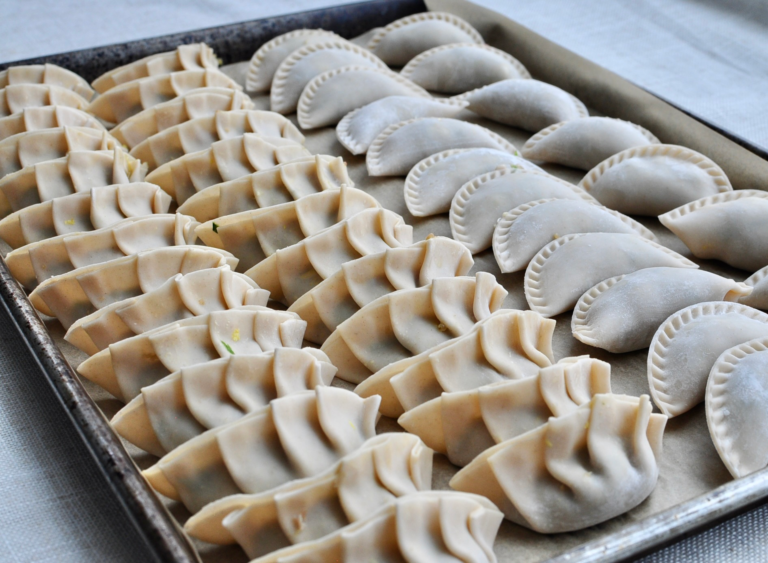
These homemade Pork and Leek Dumplings are the real deal — packed with a savory ground pork filling seasoned with garlic, ginger, soy sauce, sesame oil, and a splash of Shaoxing wine. Wrapped in store-bought dumpling skins and folded by hand or with a dumpling maker, these beauties pan-fry up into crispy-bottomed potstickers or simmer perfectly in a warm, savory broth. Weeknight comfort food, elevated.
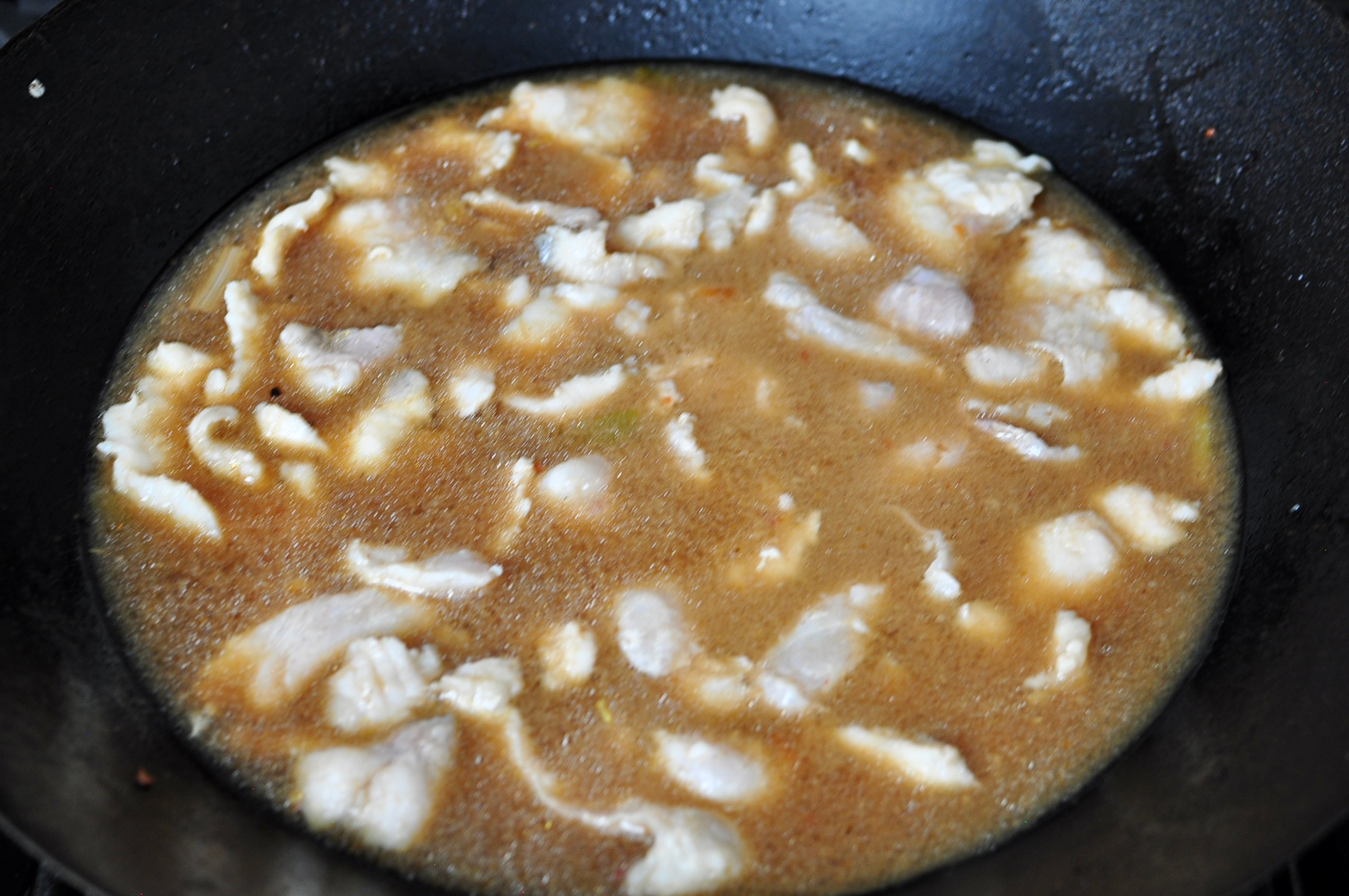
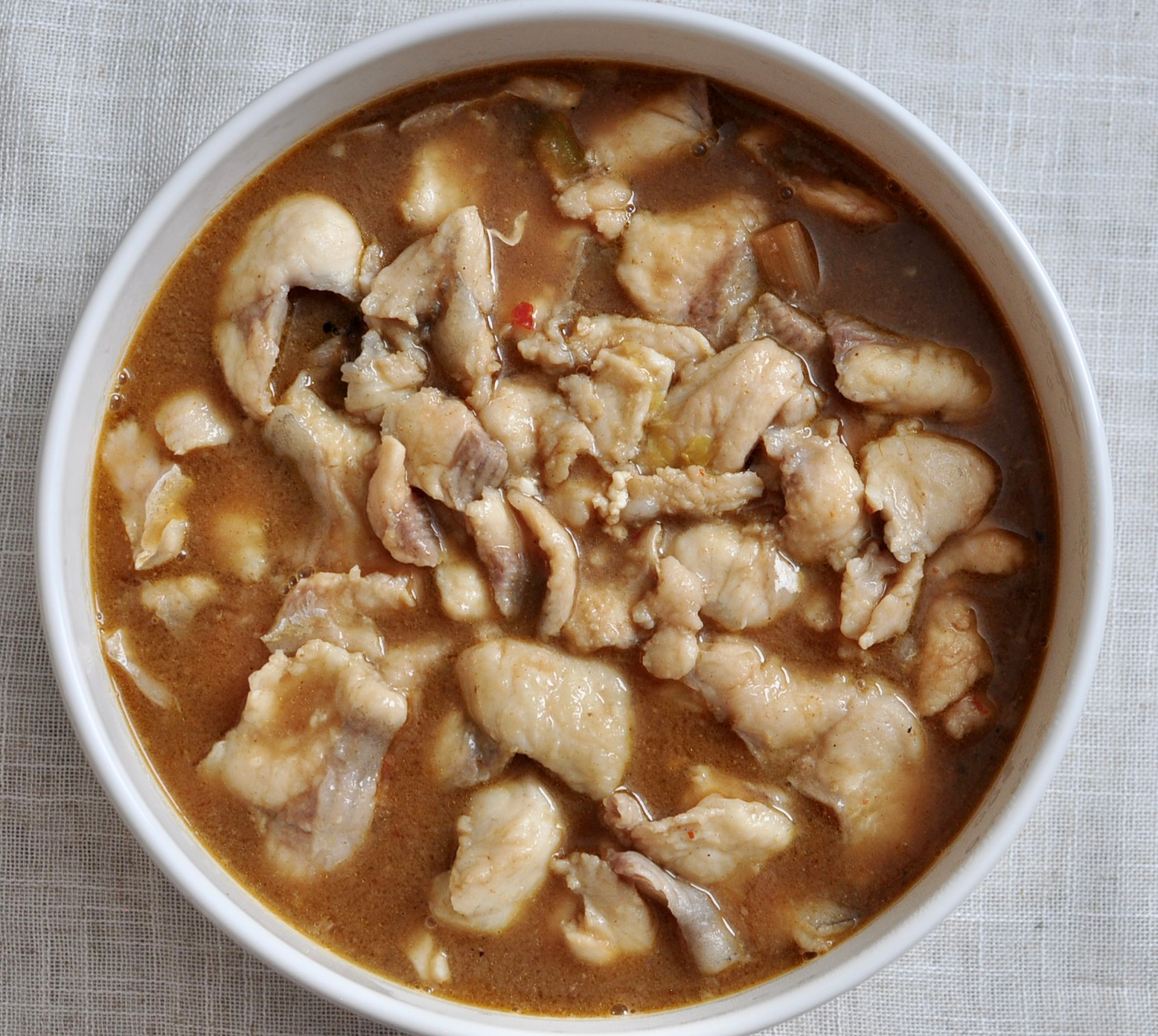
Visual Step-by-Step Guide for Making Sichuan Water Boiled Fish:


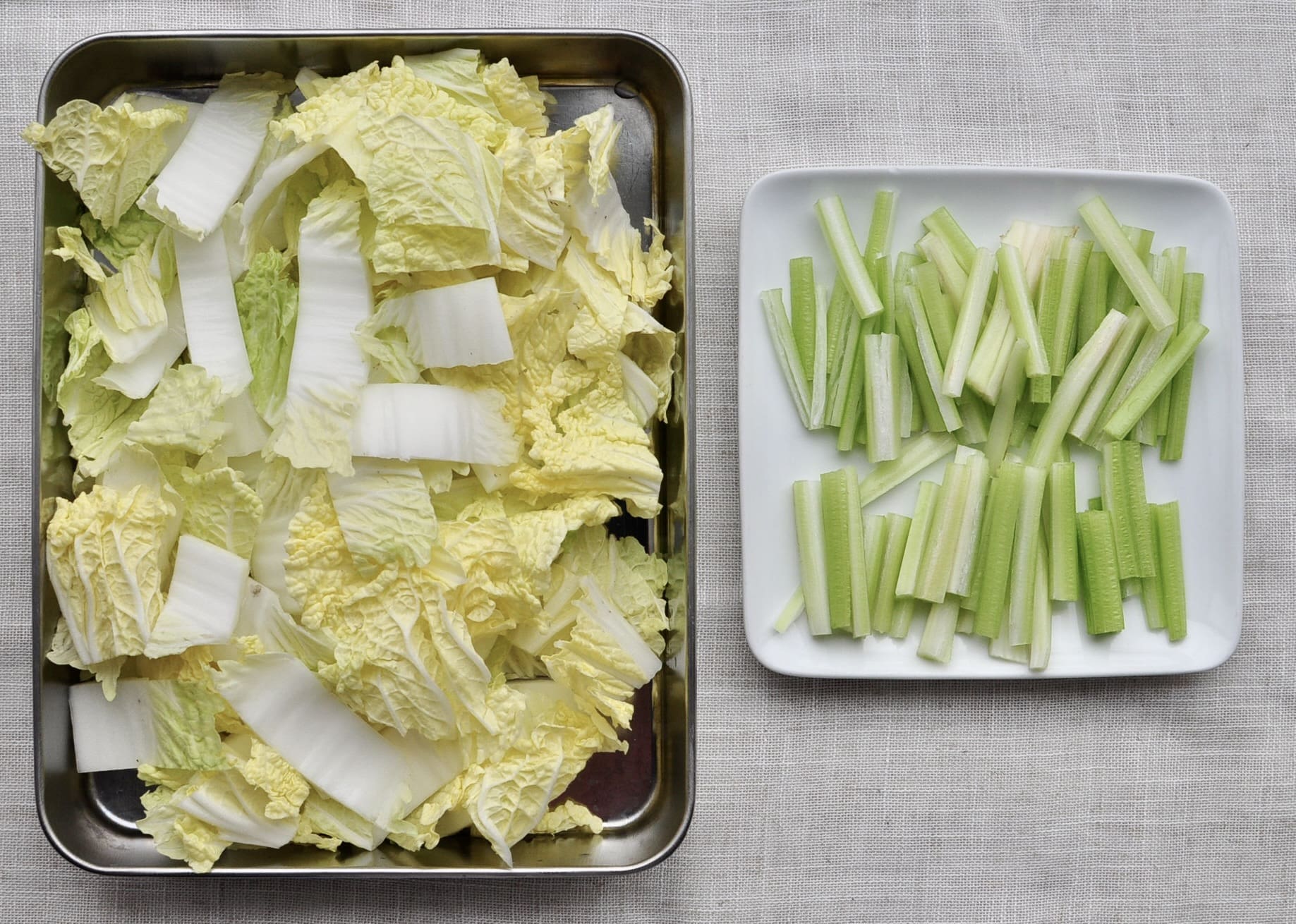


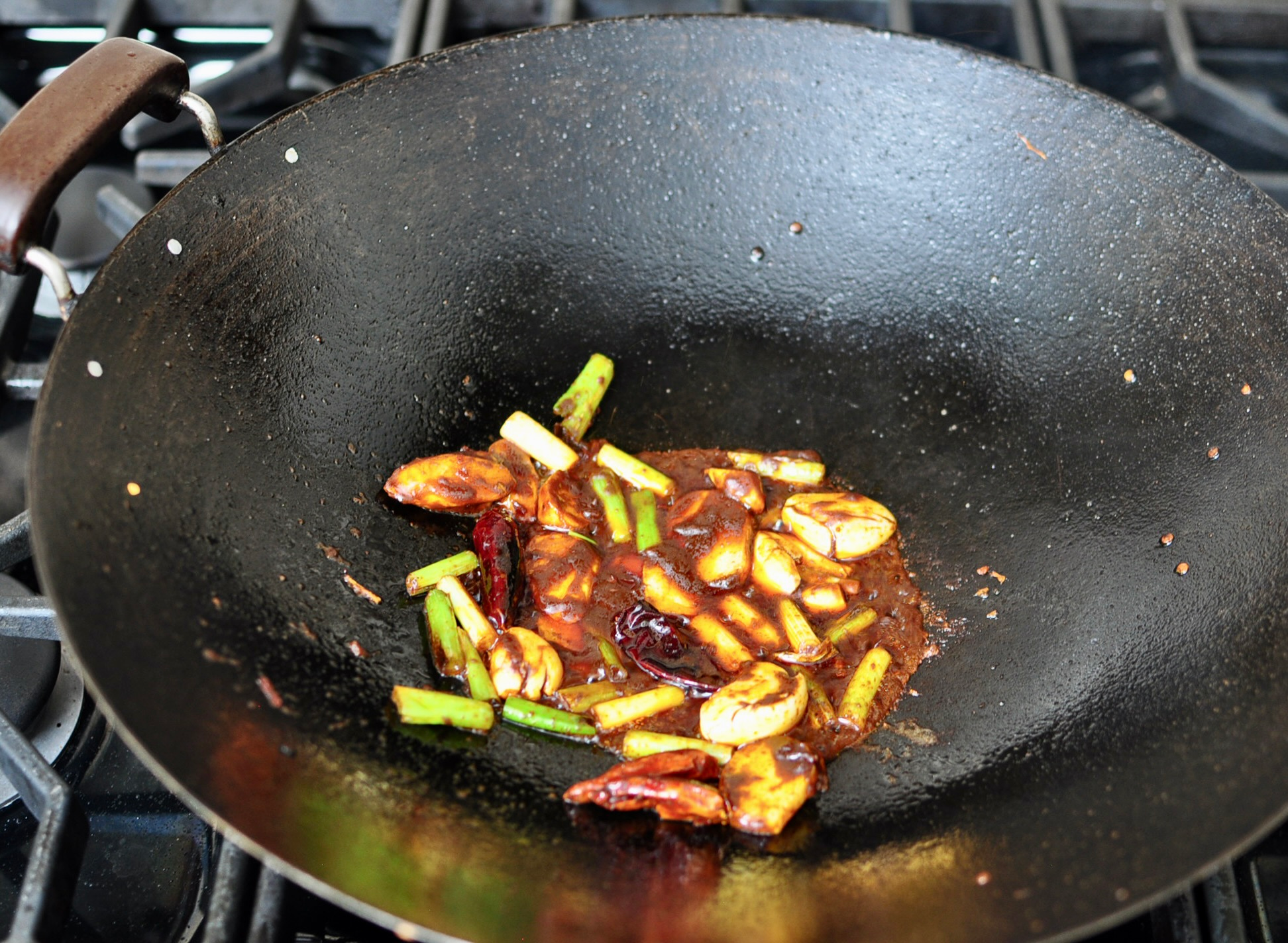
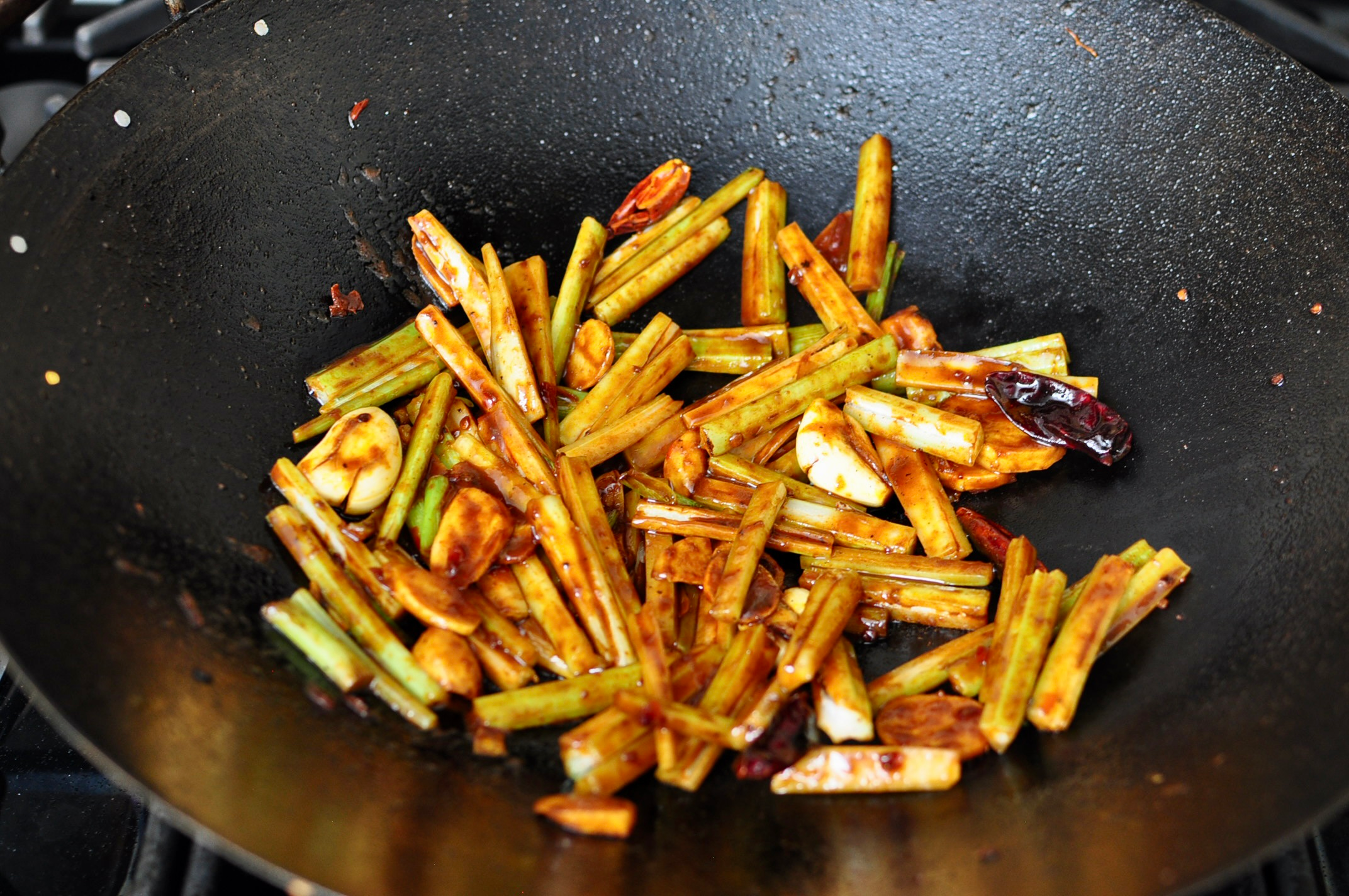
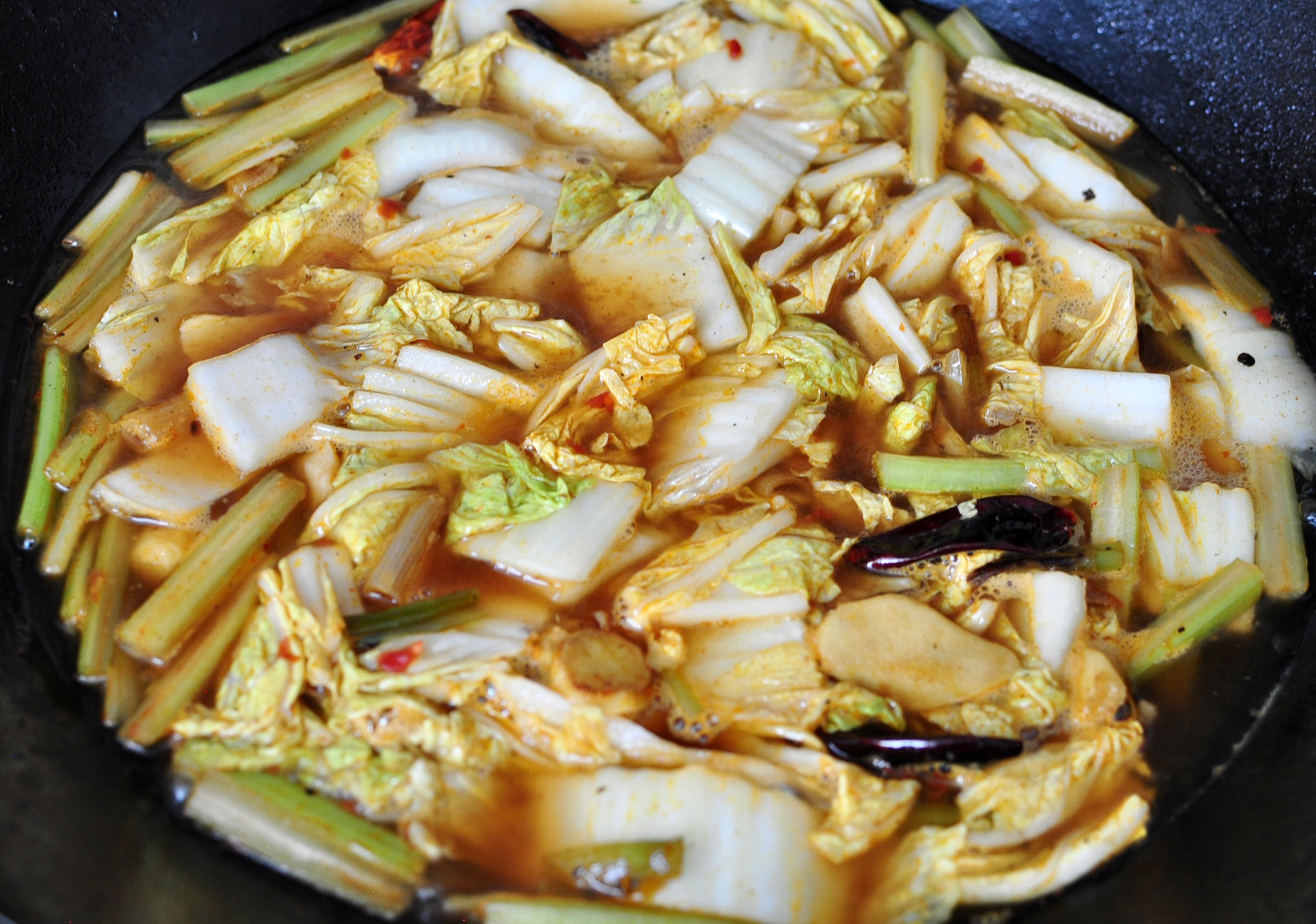



Key Ingredients for Authentic Flavor
To achieve restaurant-quality results at home, focus on these essential components:
1. The Fish: Use a firm-fleshed white fish such as tilapia, catfish, or sea bass. Slicing them into thin, uniform pieces is key for quick poaching.
2. Doubanjiang (Spicy Bean Paste): Often called the “soul of Szechuan cuisine,” this fermented paste provides the deep umami and red color of the broth.
3. Aromatics: Generous amounts of garlic, ginger, and scallions form the aromatic base.
4. Vegetable Bed: Traditionally, the fish is served over a bed of blanched bean sprouts or Napa cabbage, which absorbs the flavorful broth.
What’s in this recipe
- fish fillets
- napa cabbage
- celery
- scallions
- dried red chili peppers
- sichuan peppercorns
- garlic
- ginger
- shoaxing wine
- doubanjiang
- white pepper
- corn starch
- vegetable oil
- chicken bouillon

Sichuan Water Boiled Fish (Shui Zhu Yu)

If you love bold flavors that make your lips tingle, Sichuan Water Boiled Fish (水煮鱼, Shui Zhu Yu) is about to become your new obsession. Despite its humble “water boiled” name, this is one of the most dramatic and flavor-packed dishes to come out of Sichuan, China. Silky fish fillets—catfish, flounder, or tilapia all work beautifully—are gently poached in a rich, spicy broth built on doubanjiang, dried chili peppers, and both green and red Sichuan peppercorns. The result is a dish that’s simultaneously fiery, savory, and mouth-numbingly addictive.
- Prep Time: 30 minutes
- Cook Time: 35 minutes
- Total Time: 1 hour 5 minutes
- Yield: 6 servings 1x
- Category: Dinner
- Method: Boiling, Poaching, Sautéing
- Cuisine: Chinese
Ingredients
For fish marinade (velveting technique)
- 1 1/2 pounds of fish fillets (tilapia, catfish, flounder or carp)
- 1 tablespoon Shaoxing wine
- 1 teaspoon salt
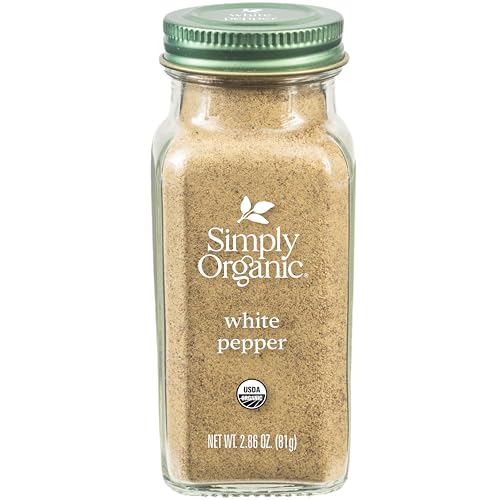
- 1/2 teaspoon white pepper
- 1 egg white
- 2 tablespoons corn starch
- 2 tablespoons of vegetable oil
Aromatics for finishing
- 1 1/2 tablespoons (5 grams) green Sichuan peppercorns
- 1 1/2 tablespoons (5 grams) red Sichuan peppercorns
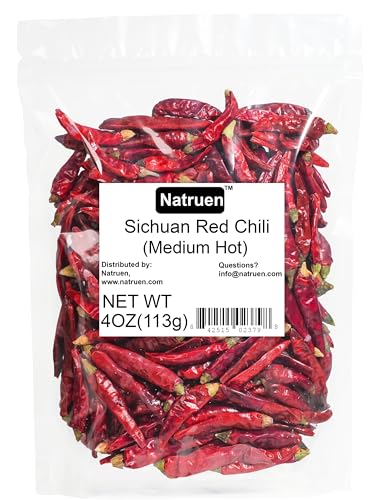
- 1/2 cup (15 grams) dried red chili peppers
- 2 tablespoons of vegetable oil
- 1/2 cup vegetable oil (for last step)
- green parts of scallions and 4 whole dried chili peppers for garnish
Soup Base and Vegetables
- 1 tablespoon vegetable oil
- 4 cloves garlic, smashed
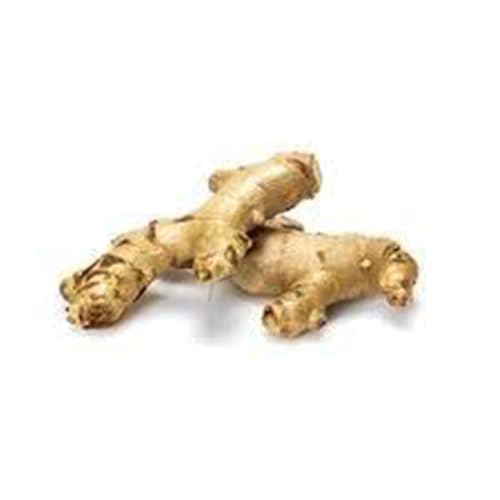
- 2 inches of ginger, sliced
- 3 scallions, cut into 1 inch pieces. Use the white parts and save the green parts for finishing.
- 4 dried chili peppers
- 3 tablespoons doubanjiang (Sichuan style broad bean sauce)
- 2 tablespoons Shaoxing wine
- 3 stalks celery, sliced thin and 2 inches long
- 10 napa cabbage leaves, sliced into large bite-sized pieces
- 5 cups water
- 1 tablespoon chicken bouillon
- 1 tablespoon sugar
- 1 tablespoon low-sodium soy sauce
- 1/2 teaspoon white pepper
Instructions
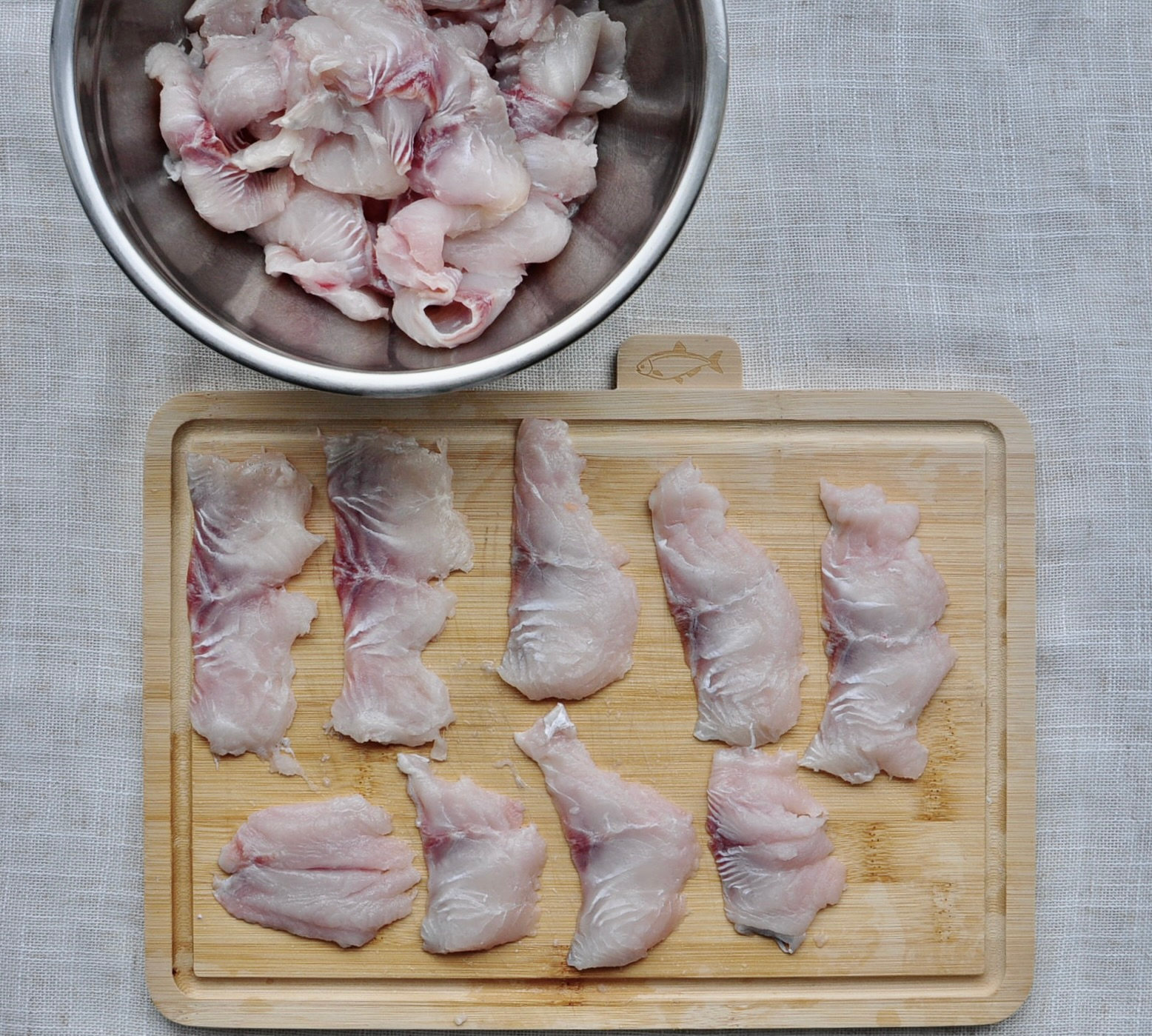
- Starting from the tail end of each fish filet, slice each fish at a 45° angle and 1/4 inch thick. The goal is to cut the fish into wide-ish slices.
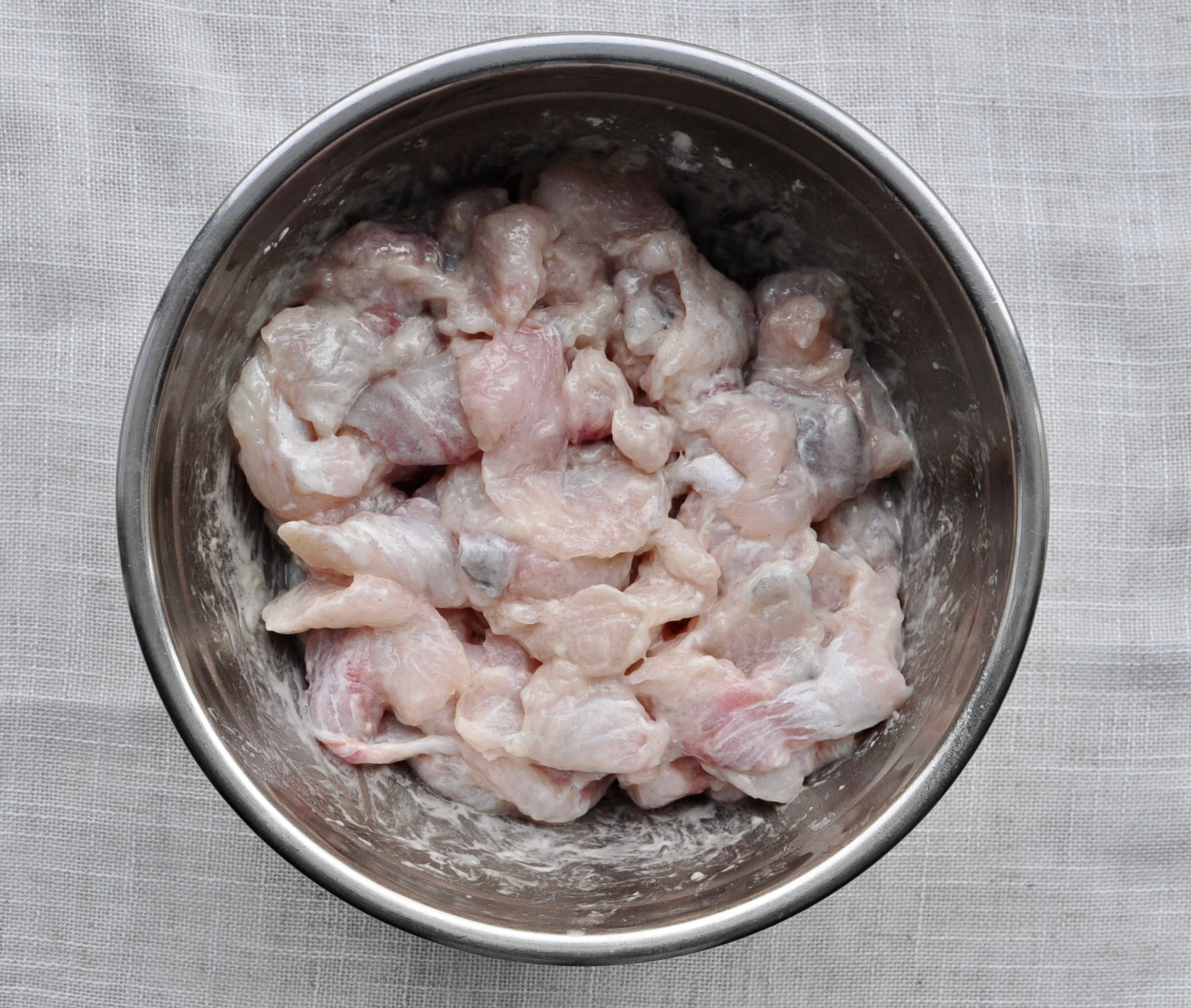
- To the sliced fish, add the rest of the marinade ingredients: Shaoxing wine, salt, white pepper, egg white, corn starch and oil. Gently but thoroughly mix well so each filet is coated evenly. Cover and let it marinate in the fridge for 20 minutes.
- For the aromatics, heat a wok or pot on medium heat with 2 tablespoons of vegetable oil. Once the oil is hot, add the chili peppers and both Sichuan peppercorns. Cook and stir until fragrant, about 2 minutes. Don’t let it burn. Transfer spices to a plate to cool.
- Once the spices have cooled, grind it in the food processor until chopped fine. Set aside for finishing the dish later.
- In the same wok or pot, heat the wok on medium-high heat. Add the oil until hot, then the garlic, ginger, whites of scallions, and chili peppers. Stir until fragrant, about 1 minute.
- Add the doubanjiang and stir for 3 minutes. Add the Shaoxing wine and stir to mix well. You will see the wine start to evaporate. Add the celery and sauté for about 4 minutes.
- Add water, bouillon, sugar, soy sauce, and white pepper. Once the liquid starts to boil, add the napa. Let the water return to a boil and lower the heat to medium. Let the napa cook for about 3 minutes, or until just tender.
- Prepare a large serving bowl. Using tongs or a slotted spoon, remove all the vegetables from the wok/pot into the serving bowl. That is the bottom layer of the dish. Let the remaining liquid return to a boil in the wok/pot.
- Add the fish slices to the broth and gently separate them so they are not stuck together. Let the broth return to a slow simmer and let the fish cook for about 6 minutes or just cooked through.
- While the fish is cooking, heat up 1/2 cup vegetable oil in a small saucepan to about 350°F.
- When the fish is done cooking, use a slotted spoon to remove the fish from the wok/pot and lay them evenly over the vegetables in your serving bowl. Pour the broth over the fish.
- Spread the ground aromatic spices evenly over the fish. Garnish with the remaining dried chili peppers and the green parts of scallions.
- Drizzle the vegetable oil gently and evenly over the aromatics. The oil will create a wonderful sizzle and will the smell of chili and mala spices will envelop the dish. Serve over rice.
Nutrition
- Serving Size: 1 1/2 to 2 cups
- Calories: 450 kcal
- Sugar: 4 g
- Sodium: 1500 mg
- Fat: 32 g
- Saturated Fat: 5 g
- Unsaturated Fat: 27 g
- Trans Fat: 0 g
- Carbohydrates: 13 g
- Fiber: 2 g
- Protein: 25 g
- Cholesterol: 57 mg
❓ FAQ’s for Sichuan Water Boiled Fish (Shui Zhu Yu)
Despite the name, the fish isn’t simply boiled in plain water. It’s gently poached in a richly spiced broth — the “water boiled” refers to the Chinese cooking technique (水煮, shuǐ zhǔ) of simmering ingredients in a seasoned, oil-enriched liquid rather than deep frying.
It is bold and spicy, yes — but the real signature sensation is “mála,” a combination of spicy heat and the unique lip-numbing tingle from Sichuan peppercorns. You can adjust the number of dried chilies to control the heat level without losing the dish’s character.
Doubanjiang is a fermented chili bean paste that is foundational to Sichuan cooking. It brings deep, savory, spicy, and umami-rich flavor. It’s available at most Asian grocery stores and online. There is no perfect substitute, but a combination of miso paste and chili paste can work in a pinch.
Catfish, flounder, and tilapia all work wonderfully. Look for firm, thin fillets with a mild flavor. The key is slicing them thin and even so they cook quickly and stay silky.
Absolutely. Reduce the number of dried chili peppers and use a smaller amount of doubanjiang to dial back the heat while keeping the depth of flavor intact. The Sichuan peppercorn numbing effect is separate from spice and can be kept for the full experience.
Bean sprouts, thinly sliced lotus root, enoki mushrooms, and baby bok choy are all excellent additions or swaps. They should be mild-flavored so they don’t compete with the broth.
Using both is what makes this recipe special! Red Sichuan peppercorns deliver the classic citrusy, floral numbing tingle, while green ones add a brighter, more herbal kick. Together they create a more complex mála experience — but if you can only find one variety, either will still deliver great results.
The broth and vegetables can be prepared ahead of time, but the fish is best poached fresh just before serving to keep it silky and tender. The hot oil finish should always be done right before serving for maximum aroma and flavor impact.
SHOP FOR THIS RECIPE








 Strawberry Mochi Squares
 Easy Blanched Shanghai Bok Choy
 Strawberry Chia Seed Jam
 Matcha Mochi Squares
 Pan-Seared Oven-Finished Duck Breasts
 Counter Culture: What to Keep Out of Your Fridge
 Banana Protein Muffins
 Blueberry Chia Seed Jam
 Chocolate Cupcakes
 Vanilla Cupcakes