
This post contains affiliate links. As an Amazon Associate, I earn from qualifying purchases.
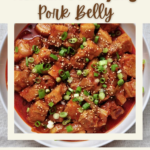
Korean Gochujang Pork Belly, with Korean Red Pepper Flakes, Onions and Garlic

If you’ve ever stood in front of your fridge thinking “I need something absolutely spectacular tonight” — this is your answer. This Korean Gochujang Pork Belly recipe from ModeratePosh delivers everything you want from a Korean-inspired braise: deep umami, caramelized heat, silky fat and a sauce so good you’ll be spooning it over literally everything.
What Makes This Pork Belly So Irresistible
It all starts with gochujang — Korea’s beloved fermented red pepper paste. It’s spicy, slightly sweet, earthy and complex in a way that no other chili paste quite replicates. Pair it with soy sauce for salt, mirin for brightness, honey for that gorgeous glaze, sesame oil for nuttiness, and fresh garlic and ginger for a punchy aromatic backbone, and you’ve got a marinade that works overtime so you don’t have to.
The Cut Matters — Here’s Why We Use Thick-Sliced Pork Belly
Thick-sliced pork belly cut into cubes is the MVP here. The generous fat-to-meat ratio means that as the pork braises, the fat renders down into the sauce, making it luxuriously rich and deeply flavorful. The cubed shape gives you maximum surface area — more caramelization, more sauce absorption, more yes please.
The Flavor Layers You’ll Love
The Korean red pepper flakes (gochugaru) bring a fruitier, more textured heat than gochujang alone, while the onions melt into the braise and add a subtle sweetness. Garlic does double duty — it’s in both the marinade and the braise itself — giving every single bite a savory, aromatic punch.
How to Serve Korean Gochujang Pork Belly
Spoon it over a bowl of fluffy steamed short-grain rice. Tuck it into Korean-style lettuce wraps with sliced green onion and sesame seeds. Serve it alongside pickled daikon and kimchi for a full spread. However you plate it, this dish means business.
Make It Ahead — It Only Gets Better
Like most braises, this Korean Gochujang Pork Belly tastes even more incredible the next day. Make a big batch, store it in an airtight container and reheat gently on the stovetop. The sauce thickens as it cools and turns into something almost sauce-candy magic when reheated. You’ve been warned.
Want more Asian inspired dinner recipes?

Sichuan Water Boiled Fish (Shui Zhu Yu)
Sichuan Water Boiled Fish, or Shui Zhu Yu, is a popular dish characterized by tender fish fillets, napa cabbage, and celery in a spicy broth infused with chili peppers and Sichuan peppercorns. The dish’s unique flavors create a mouth-numbing sensation, making it a beloved favorite and most popular fish dish from China.

Asian Glazed Broiled Salmon
This oven broiled salmon is glazed in a savory Asian sauce made with soy sauce, brown sugar, sesame oil, and fresh ginger — then broiled to absolute perfection with crispy caramelized edges and a melt-in-your-mouth center. The secret? A genius skin-peeling trick mid-broil that changes everything. Ten minutes. One pan.
Visual Step-by-Step Guide for Making Korean Gochujang Pork Belly:


What’s in this recipe
- pork belly
- gochujang
- Korean red pepper flakes
- onions
- scallions
- sesame oil
- mirin
- soy sauce
- honey
- garlic
- ginger

Gochujang Korean Pork Belly

Bring the vibrant flavors of Korean food into your kitchen with this Gochujang Pork Belly recipe. This dish features succulent, thick sliced pork belly tossed in a savory, spicy, and slightly sweet glaze. It is the ultimate meal that delivers high-impact flavor with minimal prep time, making it a perfect addition to your weeknight rotation or your next dinner party.
The star of this dish is Gochujang (Korean fermented chili paste), which provides a complex depth of flavor that isn’t just hot, but deeply umami. Combined with Gochugaru (Korean red pepper flakes) for a gentle smoky heat, and a generous amount of fresh garlic scallions and onions, the pork belly becomes so incredibly tender and flavorful.
- Prep Time: 15 minutes
- Cook Time: 25 minutes
- Total Time: 1 hour 10 minutes (includes 30-minutes marinating time)
- Yield: 6 servings 1x
- Category: Dinner, Lunch
- Method: Stovetop
- Cuisine: Korean
- Diet: Dairy-Free, Low-Carb
Ingredients
- 2 1/2 pounds of thick sliced pork belly, cut into bite sized cubes
- 3 tablespoons gochujang
- 3 tablespoons Korean red pepper flakes
- 1/3 cup (5 tablespoons) low-sodium soy sauce
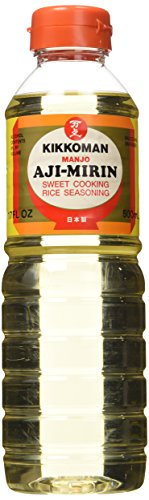
- 2 tablespoon mirin
- 2 tablespoons sesame oil
- 2 tablespoons honey
- 4 cloves garlic, through garlic press or minced fine
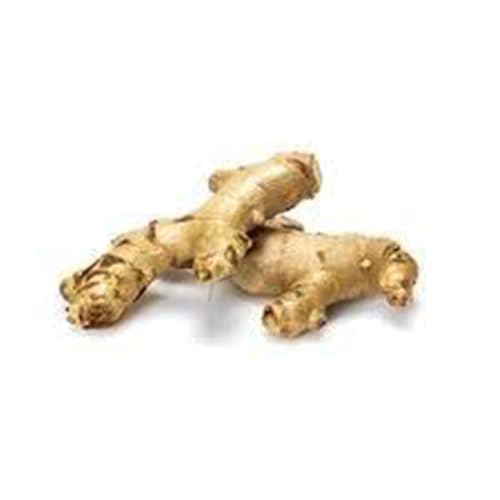
- 20 grams fresh ginger, through microplane zester or smashed and minced fine
- 1 teaspoon salt
- 2 onions, sliced
- 5 stalks of scallions, 4 stalks cut into 2 inch pieces and 1 stalk sliced for garnish
- 2 teaspoons toasted sesame seeds for garnish
Instructions
- In a small mixing bowl, combine gochujang, red pepper flakes, soy sauce, mirin, sesame oil, honey, garlic, ginger and salt. Mix until well combined.
- In a large mixing bowl, combine pork belly, onions and scallions.
- Pour the gochujang mixture over the pork belly mixture and toss everything together well. Make sure all the pork belly, onions and scallions are well coated. Refrigerate for at least 30 minutes and up to 8 hours.
- In a large skillet or wok, heat oil on medium heat. Once hot, add the pork belly mixture and sauté for 20 to 25 minutes, stirring occasionally. Any liquid that released from the pork and onions should evaporate as it cooks. Pork should be tender and sauce will be thick. Serve over rice.
Nutrition
- Serving Size: ~8 ounces
- Calories: 1093 kcal
- Sugar: 10.8 g
- Sodium: 1012 mg
- Fat: 104.6 g
- Saturated Fat: 35.6 g
- Unsaturated Fat: 69 g
- Trans Fat: 0.5 g
- Carbohydrates: 18 g
- Fiber: 2 g
- Protein: 18.3 g
- Cholesterol: 135 mg
❓ FAQ’s for Korean Gochujang Pork Belly
Gochujang is a Korean fermented red pepper paste that’s spicy, savory and slightly sweet. You can find it at any Asian grocery store, in the international aisle of most major supermarkets, or online. Look for it in a red tub or squeeze bottle.
You can! Pork shoulder will give you a leaner result with less fat. The braise still works beautifully, though you’ll lose some of that signature silky richness that pork belly brings to the party.
You absolutely can, but you’ll want to skip the long braise! Thin slices cook up in just a few minutes in a skillet. For that melt-in-your-mouth, rich, slow-cooked texture we’re going for in this recipe, thick-cut cubes are highly recommended.
On a scale of “mild salsa” to “call the fire department,” this sits at a confident medium-spicy. You can dial it back by reducing the gochujang and omitting the Korean red pepper flakes, or turn up the heat by adding more gochugaru or a splash of chili oil.
Mirin is a sweet Japanese rice wine used in cooking. It adds a subtle sweetness and balances the salty soy sauce perfectly. If you don’t have it, dry sherry with a pinch of sugar or a small splash of rice vinegar with a touch more honey works as a substitute.
Traditional gochujang and soy sauce both contain gluten. To make this dish gluten-free, use a gluten-free gochujang and swap regular soy sauce for tamari or coconut aminos.
Steamed short-grain rice is the classic move. For sides, think Korean cucumber salad, kimchi, sautéed spinach (sigeumchi namul) or pickled daikon. Garnish with toasted sesame seeds and sliced green onions for a beautiful finish.
SHOP FOR THIS RECIPE






 Strawberry Mochi Squares
 Easy Blanched Shanghai Bok Choy
 Strawberry Chia Seed Jam
 Matcha Mochi Squares
 Pan-Seared Oven-Finished Duck Breasts
 Counter Culture: What to Keep Out of Your Fridge
 Banana Protein Muffins
 Blueberry Chia Seed Jam
 Chocolate Cupcakes
 Vanilla Cupcakes